Cultural Tourism in Ancient Egypt: A Journey Through Time
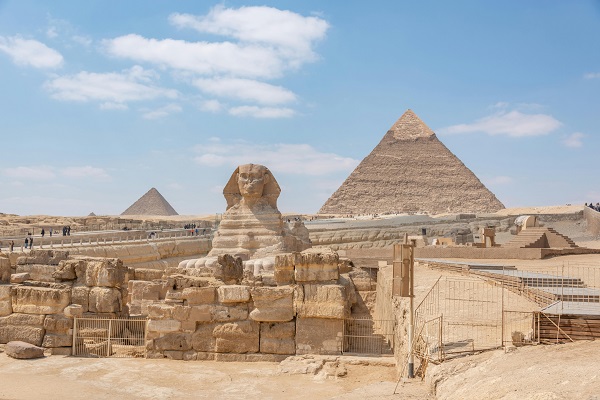
Cultural tourism in Ancient Egypt offers travelers a timeless journey into one of the world’s most fascinating civilizations. Known for its monumental architecture, rich mythology, and advanced knowledge systems, Ancient Egypt continues to captivate tourists seeking history, culture, and immersive experiences.
The Legacy of a Timeless Civilization
Ancient Egypt flourished along the banks of the Nile River, which served as the lifeline of the civilization. Visitors today can explore the grandeur of iconic landmarks like the Great Pyramid of Giza and the majestic Great Sphinx of Giza, both standing as symbols of architectural brilliance and spiritual belief.
These ancient structures are not just monuments; they are storytellers that reveal insights into the lives, beliefs, and ambitions of the Egyptians who built them thousands of years ago.
Exploring Temples and Tombs
Cultural tourism in Egypt is incomplete without visiting its magnificent temples. The Karnak Temple and Luxor Temple showcase intricate carvings, towering columns, and sacred spaces dedicated to gods like Ra and Amun.
Equally captivating is the Valley of the Kings, where pharaohs, including Tutankhamun, were laid to rest. These tombs, adorned with vibrant hieroglyphics, offer a glimpse into ancient beliefs about the afterlife.
Culture, Beliefs, and Daily Life
Ancient Egyptian culture was deeply rooted in religion and mythology. Tourists interested in cultural exploration can learn about gods, rituals, and the concept of the afterlife that shaped everyday life.
Art, music, and craftsmanship also played a significant role. From jewelry and pottery to wall paintings, each artifact reflects the sophistication and creativity of Egyptian society.
Experiencing the Nile Lifestyle
A journey along the Nile—whether by cruise or traditional boat—offers a unique cultural perspective. It allows travelers to experience how ancient Egyptians lived, farmed, and traded along the riverbanks. Even today, the rhythm of life in many regions mirrors traditions passed down through generations.
The Importance of Cultural Preservation
Cultural tourism in Ancient Egypt also highlights the importance of preserving historical heritage. Efforts by organizations like UNESCO ensure that these invaluable sites are protected for future generations. Responsible tourism plays a key role in maintaining the balance between exploration and conservation.
Why It Continues to Inspire Travelers
Ancient Egypt is more than just a destination—it is an experience that connects travelers with humanity’s shared past. Its monuments, stories, and traditions offer a deep sense of wonder and appreciation for early human achievements.
For cultural tourists, Egypt provides a rare opportunity to step back in time and witness the enduring legacy of one of the greatest civilizations in history.









Top News
India?s economic catch-up over past decade worth celebrating: Top Economist