World Heritage City Tourism: Exploring Historic Cities, Culture and Architecture

World Heritage City Tourism: Exploring Historic Cities Through Culture, Architecture and Local Life
World Heritage City Tourism is becoming an important part of cultural travel in 2026. It gives travelers an opportunity to explore historic cities, monuments, traditional neighborhoods, museums, religious sites, architecture, local cuisine and living cultural traditions in one destination.
Unlike conventional sightseeing, heritage city tourism allows visitors to understand how a city developed over centuries and how its history continues to influence everyday life.
What Is World Heritage City Tourism?
World Heritage City Tourism focuses on cities or historic urban areas recognized for their outstanding cultural or historical importance. UNESCO World Heritage recognition can highlight places with exceptional value to humanity, including historic urban landscapes, monuments, archaeological areas and cultural traditions.
Visitors can experience heritage through:
Historic buildings
Forts and palaces
Ancient streets
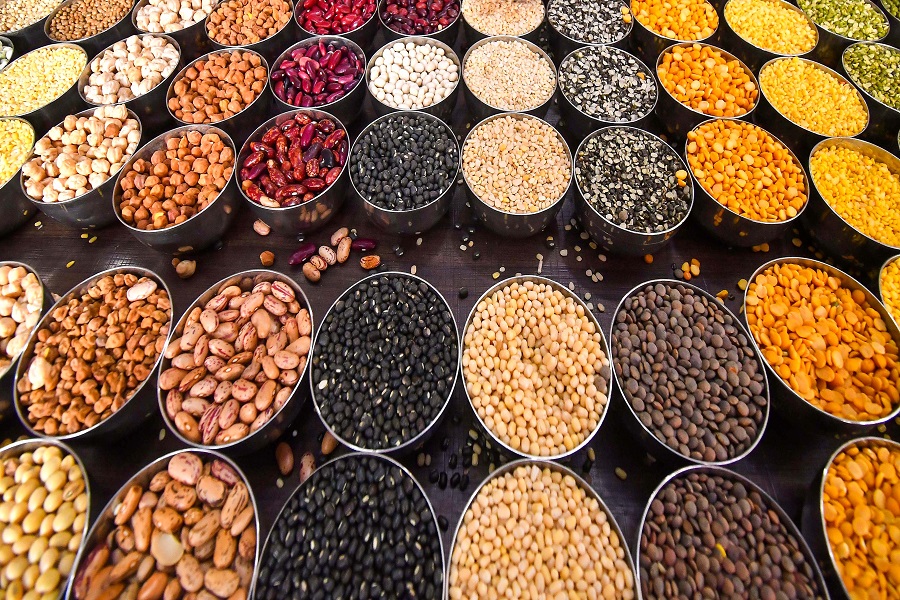
Traditional markets
Museums
Religious architecture
Local food
Traditional crafts
Cultural festivals
Music and performing arts
Local communities
The experience combines sightseeing with cultural learning.
Why World Heritage Cities Are Popular in 2026
Travelers are increasingly interested in experiences that connect them with local history and culture. World Heritage cities provide opportunities to move beyond famous landmarks and discover the stories, traditions and communities behind them.
Several factors are driving interest in heritage city tourism:
Growing interest in cultural experiences
Increasing popularity of slow travel
Interest in authentic local experiences
Growth of heritage photography
Popularity of walking tours
Interest in traditional food and crafts
Digital storytelling and heritage apps
Sustainable tourism initiatives
Cultural festivals and events
Demand for educational travel
Best Experiences in World Heritage Cities
1. Heritage Walking Tours
Walking through historic neighborhoods is one of the best ways to understand a heritage city. Travelers can observe architecture, old markets, religious buildings and traditional homes while learning about the city's history.
2. Historic Architecture Tours
Architecture enthusiasts can explore different periods represented in a city. Buildings may reflect ancient, medieval, colonial or modern influences.
3. Museum Visits
Museums provide deeper insight into the history and cultural development of a destination. Many cities have archaeological museums, art museums, historical collections and specialized cultural institutions.
4. Traditional Market Experiences
Historic markets are often an important part of urban heritage. Visitors can discover traditional products, textiles, handicrafts, spices, jewellery and regional foods.
5. Local Food Tourism
Cuisine is an essential part of cultural identity. Travelers can explore traditional restaurants, street-food markets, historic cafés and regional cooking traditions.
6. Cultural Festivals
Planning a visit around a traditional festival can make a heritage-city trip more immersive. Festivals often bring together music, dance, food, religious traditions and local communities.
World Heritage City Tourism in India
India has several cities and historic urban areas with internationally recognized cultural heritage.
Jaipur
Jaipur is famous for its planned historic cityscape, colourful markets, traditional architecture and royal heritage.
Ahmedabad
Ahmedabad's historic city area is known for its distinctive architecture, traditional neighbourhoods, pol houses, markets and cultural heritage.
Mumbai
Mumbai's Victorian Gothic and Art Deco ensembles showcase the city's architectural evolution and colonial-era urban history.
Delhi
Delhi offers layers of history ranging from ancient settlements and medieval monuments to Mughal and colonial architecture.
Agra
Agra is strongly associated with Mughal heritage and iconic monuments, making it one of India's major cultural tourism destinations.
Varanasi
Varanasi provides a distinctive living cultural experience through its ghats, temples, traditional music, religious practices and centuries-old urban traditions.
Heritage City Walking Experiences
Walking tours can be especially valuable because they allow travelers to experience a city at a slower pace.
A typical heritage walk may include:
Historic gates
Traditional houses
Religious buildings
Old marketplaces
Cultural institutions
Local food stops
Artisan workshops
Historic squares
Important monuments
Travelers should consider hiring qualified local guides when available because local knowledge can add context that is difficult to discover independently.
Cultural Food Experiences
Food can transform a heritage trip into a complete cultural experience.
Visitors can explore:
Traditional breakfasts
Regional sweets
Street food
Historic restaurants
Local bakeries
Traditional beverages
Festival dishes
Family-run food establishments
Regional cooking classes
Food tourism also supports local businesses and helps preserve traditional culinary practices.
Traditional Arts and Crafts
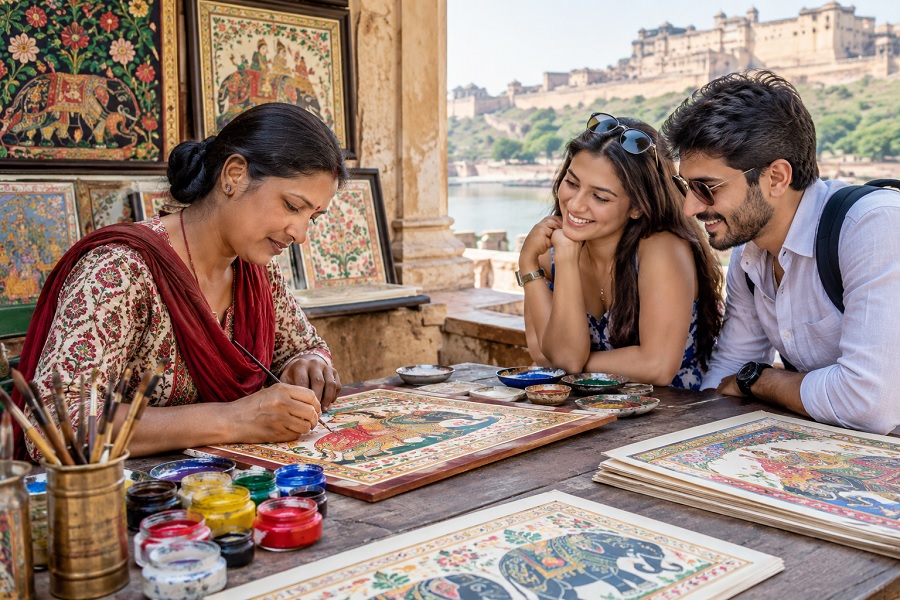
Many heritage cities are connected with traditional crafts. Travelers can visit artisan workshops to see how products are made and learn about the cultural significance behind them.
Popular craft experiences include:
Textile weaving
Pottery
Jewellery making
Wood carving
Metalwork
Embroidery
Block printing
Painting
Stone carving
Basket weaving
Buying directly from artisans can provide economic benefits to local communities.
Heritage Photography Tourism
World Heritage cities are excellent destinations for photography. Historic architecture, markets, streets, cultural performances and traditional crafts provide numerous opportunities.
Popular photography subjects include:
Historic buildings
Street scenes
Traditional architecture
Local markets
Cultural festivals
Artisan workshops
Religious architecture
Heritage streets
Traditional costumes
Sunrise and sunset views
Travelers should respect photography restrictions at religious sites, museums and private properties.
Technology and Heritage Tourism
Technology is changing the way visitors experience historic cities.
Modern heritage tourism can include:
QR-code heritage trails
Augmented-reality experiences
Digital museum guides
Virtual tours
Interactive maps
Audio walking tours
Multilingual travel applications
Digital storytelling
3D reconstruction of historical sites
These technologies can help younger travelers understand complex historical stories in more engaging ways.
Sustainable World Heritage City Tourism
Large numbers of visitors can put pressure on historic buildings, infrastructure and local communities. Sustainable tourism therefore plays an important role.
Responsible travelers can:
Use public transportation
Walk where practical
Avoid littering
Respect heritage structures
Follow photography rules
Support local businesses
Buy authentic local crafts
Avoid damaging monuments
Respect religious customs
Choose responsible accommodation
Sustainable tourism helps ensure that heritage destinations remain accessible to future generations.
Community-Based Heritage Tourism
Local communities are central to the identity of heritage cities. Their traditions, food, crafts, languages and everyday lifestyles contribute to the cultural experience.
Community-based tourism can provide income opportunities while allowing residents to participate in tourism development.
Examples include:
Local guided tours
Family-run homestays
Artisan workshops
Traditional cooking classes
Cultural performances
Local food tours
Community markets
Best Time to Visit
The ideal season varies by destination. Travelers should consider:
Weather
Festival schedules
Tourist crowds
Local events
Opening hours
Accommodation prices
Visiting during a cultural festival can offer a richer experience, but popular festivals may also attract significantly larger crowds.
World Heritage City Tourism for Couples
Heritage cities can also be excellent destinations for couples. Romantic experiences may include:
Evening heritage walks
Rooftop dining
Palace stays
Cultural performances
Historic cafés
Heritage photography
Traditional cooking experiences
Sunset monument visits
Couples can combine cultural sightseeing with local food and relaxing accommodation.
World Heritage City Tourism for Families
Families can turn heritage trips into educational experiences. Children can learn about architecture, history, traditional crafts and local lifestyles through museums, guided walks and interactive cultural activities.
Family-friendly activities include:
Museum visits
Heritage treasure hunts
Craft workshops
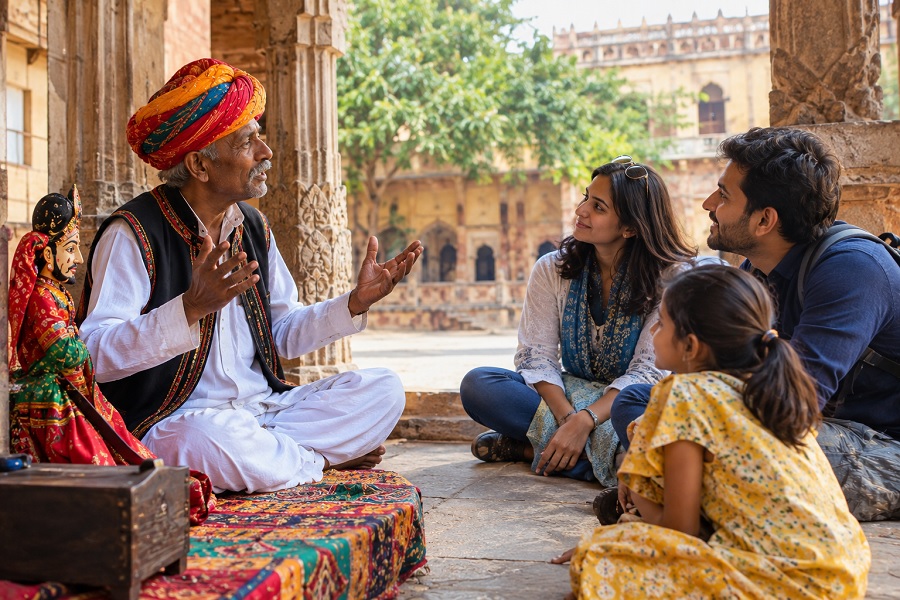
Cultural storytelling
Historic monument tours
Local food experiences
Traditional games
Challenges Facing Heritage Cities
World Heritage cities can face several challenges as tourism grows.
Overcrowding
Large visitor numbers can put pressure on historic neighborhoods and monuments.
Preservation
Old structures require continuous maintenance and conservation.
Commercialization
Excessive commercialization can sometimes reduce the authenticity of historic areas.
Environmental Pressure
Traffic, waste and excessive resource consumption can affect historic destinations.
Community Displacement
Poorly managed tourism development can affect local residents and traditional communities.
Responsible destination management is therefore essential.
How Travelers Can Have a Better Heritage Experience
Travelers can make their visit more meaningful by spending more time in one city instead of rushing through several destinations.
A good approach is to:
Research the city's history before visiting.
Explore beyond the most famous landmark.
Take a local heritage walk.
Visit museums.
Try traditional cuisine.
Meet local artisans.
Attend cultural events.
Use public transport or walk where practical.
Respect local customs.
Support community-owned businesses.
Future of World Heritage City Tourism
The future of heritage city tourism is likely to combine preservation, technology and authentic cultural experiences. Digital tools can improve interpretation, while community-based tourism can help ensure that local residents benefit from visitor spending.
Travelers are also likely to seek more personalized experiences, such as private heritage walks, food trails, artisan workshops, photography tours and immersive cultural activities.
Conclusion
World Heritage City Tourism offers travelers much more than a collection of historic monuments. It provides an opportunity to understand the history, architecture, food, traditions and everyday life that make a city unique.
In 2026, the strongest heritage experiences are likely to be those that combine historic sightseeing with local interaction, authentic cuisine, traditional crafts, technology and responsible travel.
By exploring heritage cities thoughtfully and supporting local communities, travelers can enjoy memorable cultural experiences while helping protect important places for future generations.