Trekking Trails in the Himalayas: A Journey Above the Clouds
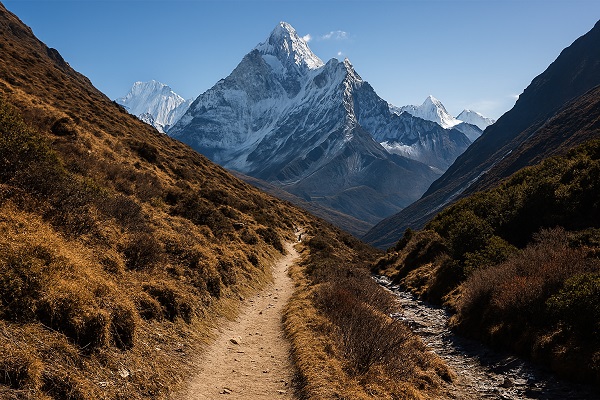
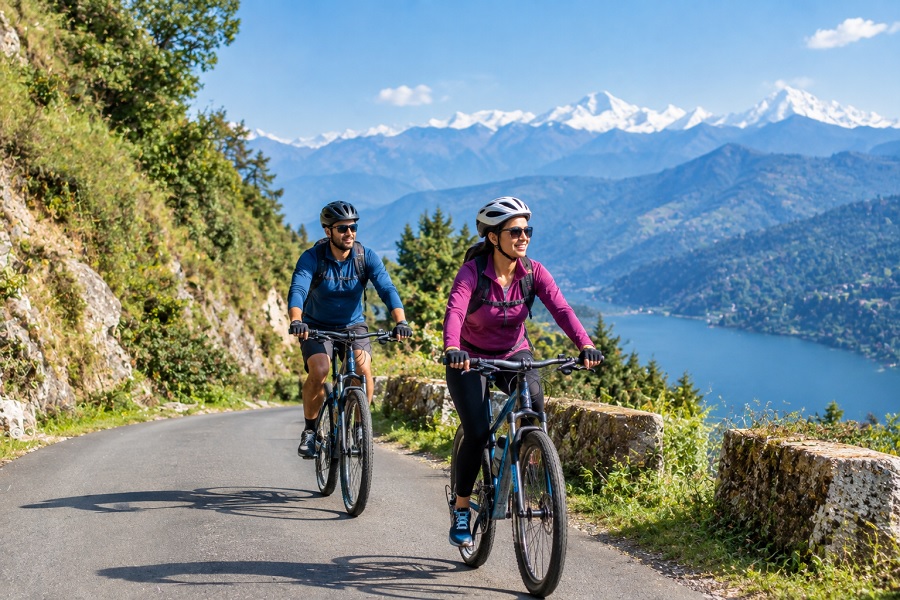
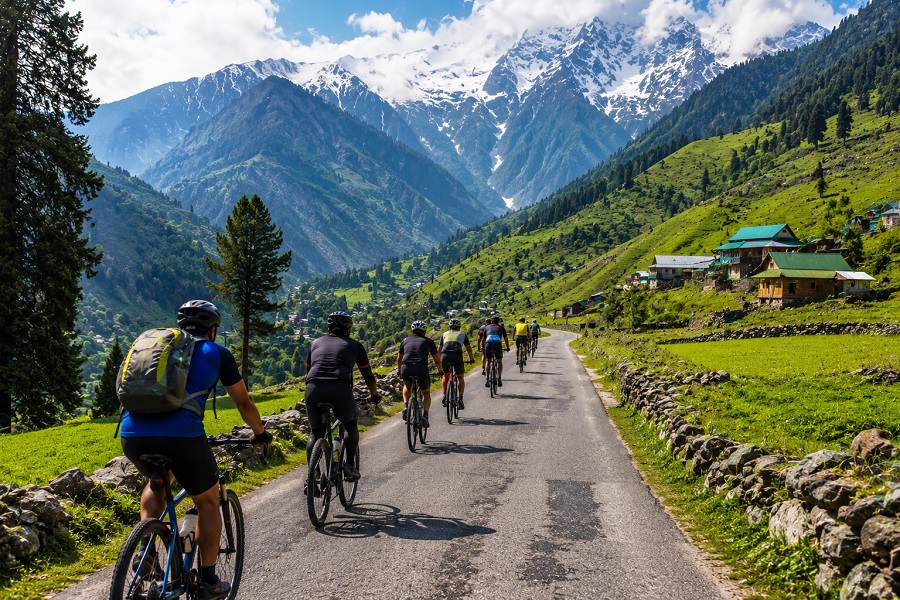
The majestic Himalayas, stretching across northern India, offer some of the most breathtaking trekking experiences in the world. From snow-capped peaks and alpine meadows to glacial rivers and remote mountain villages, trekking in the Himalayas is not just an adventure — it’s a transformative journey into nature’s grandeur.
Why Trek in the Himalayas?
The Himalayas are home to diverse landscapes, rich biodiversity, and vibrant mountain cultures. Whether you are a beginner or an experienced trekker, the region offers trails suited to every level of expertise. The combination of dramatic scenery, spiritual energy, and physical challenge makes Himalayan trekking an unforgettable experience.
Popular Himalayan Treks in India
Kedarkantha Trek – Uttarakhand
Located in the state of Uttarakhand, the Kedarkantha Trek is one of the most popular winter treks in India. Known for its snow-covered trails and panoramic summit views, it is ideal for beginners seeking their first Himalayan summit experience.
Valley of Flowers Trek – Uttarakhand
A UNESCO World Heritage Site nestled in Valley of Flowers National Park, this trek is famous for its vibrant alpine flowers that bloom during the monsoon season. The trail offers breathtaking views of meadows, waterfalls, and rare Himalayan flora.
Hampta Pass Trek – Himachal Pradesh
Situated in Himachal Pradesh, Hampta Pass connects the lush Kullu Valley with the arid landscapes of Lahaul. The trek is known for its dramatic change in scenery and is perfect for adventure enthusiasts looking for varied terrain.
Roopkund Trek – Uttarakhand
Often referred to as the “Mystery Lake Trek,” Roopkund is famous for its glacial lake containing ancient human skeletons. The challenging trail rewards trekkers with stunning high-altitude views.
Markha Valley Trek – Ladakh
Located in Ladakh, this trek offers a unique experience through Buddhist monasteries, high mountain passes, and stark desert landscapes. It is ideal for trekkers seeking both adventure and cultural immersion.
Best Time to Visit
Summer (May–June): Ideal for most high-altitude treks.
Monsoon (July–September): Perfect for Valley of Flowers.
Autumn (September–October): Clear skies and stable weather.
Winter (December–February): Snow treks like Kedarkantha are popular.
Preparation & Safety Tips
Acclimatize properly to avoid altitude sickness.
Carry essential gear including thermal wear, trekking poles, and waterproof clothing.
Stay hydrated and maintain physical fitness before attempting high-altitude treks.
Always trek with certified guides or reputable trekking organizations.
Cultural & Spiritual Experience
Beyond adventure, Himalayan trekking offers deep cultural connections. Trekkers encounter local communities, ancient temples, and monasteries, experiencing the region’s spirituality and traditions firsthand. The serene environment often becomes a journey of self-discovery and mental rejuvenation.
Conclusion
Trekking trails in the Himalayas offer more than scenic beauty — they provide a profound connection with nature and self. Whether it’s the snow-laden peaks of Uttarakhand, the lush valleys of Himachal, or the rugged terrains of Ladakh, every trail tells a story of adventure and awe. For travel enthusiasts, the Himalayas remain a timeless destination that promises both challenge and charm.