Traveling Through Time: The Magic of Cultural Tourism

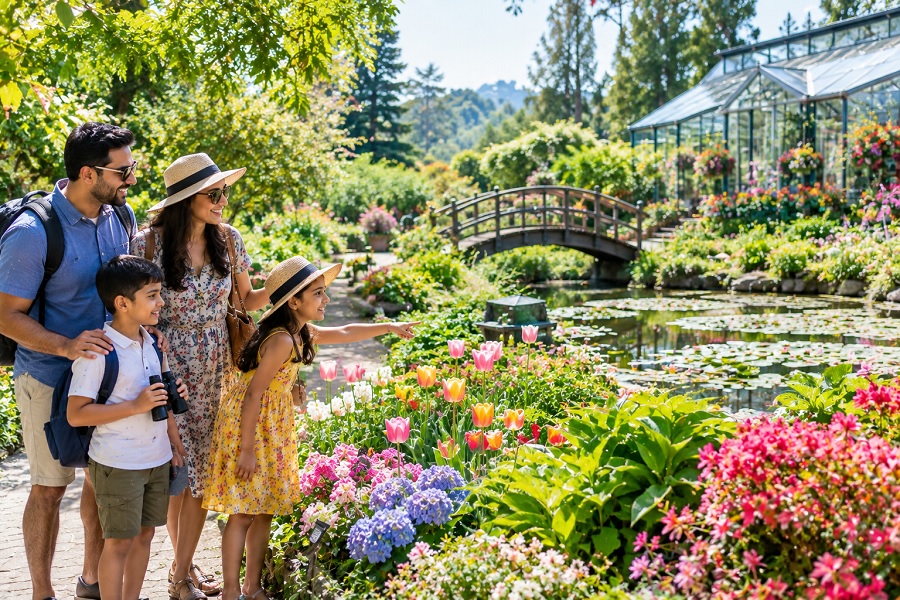
In a world that’s becoming increasingly connected, cultural tourism offers travelers a chance to dive deep into the history, traditions, arts, and lifestyles of different communities. Unlike conventional tourism that often focuses on sightseeing or relaxation, cultural tourism is about experiencing the heart and soul of a place — its people, customs, festivals, and heritage.
What Is Cultural Tourism?
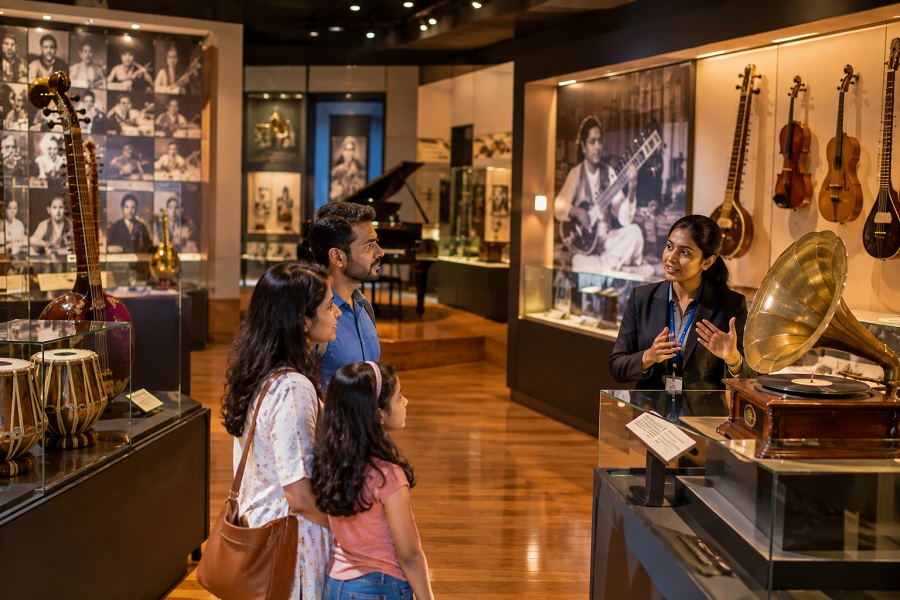
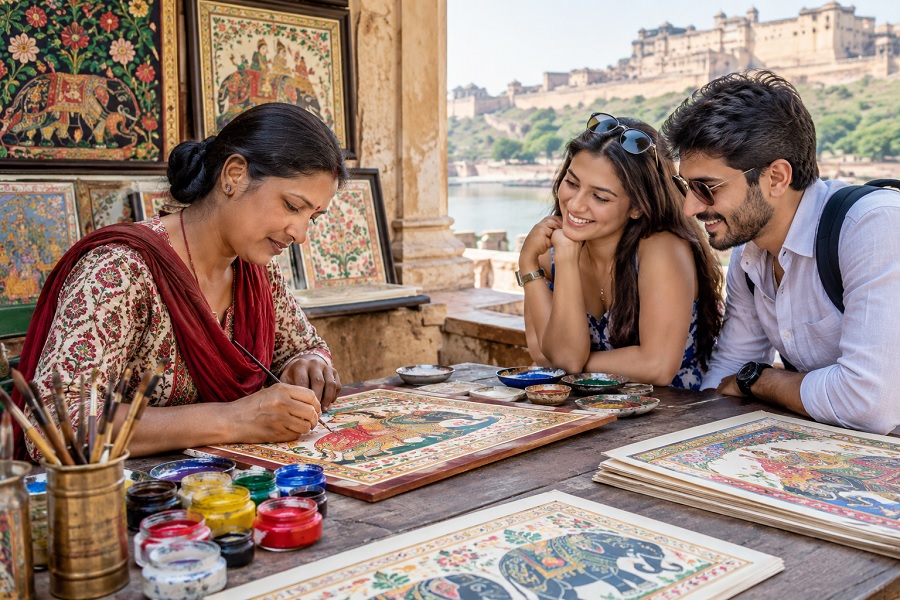
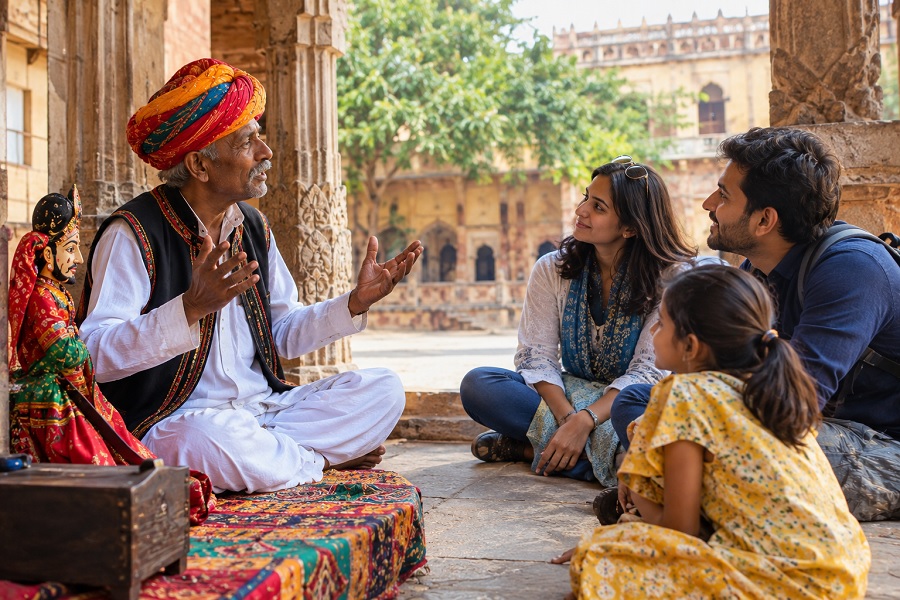
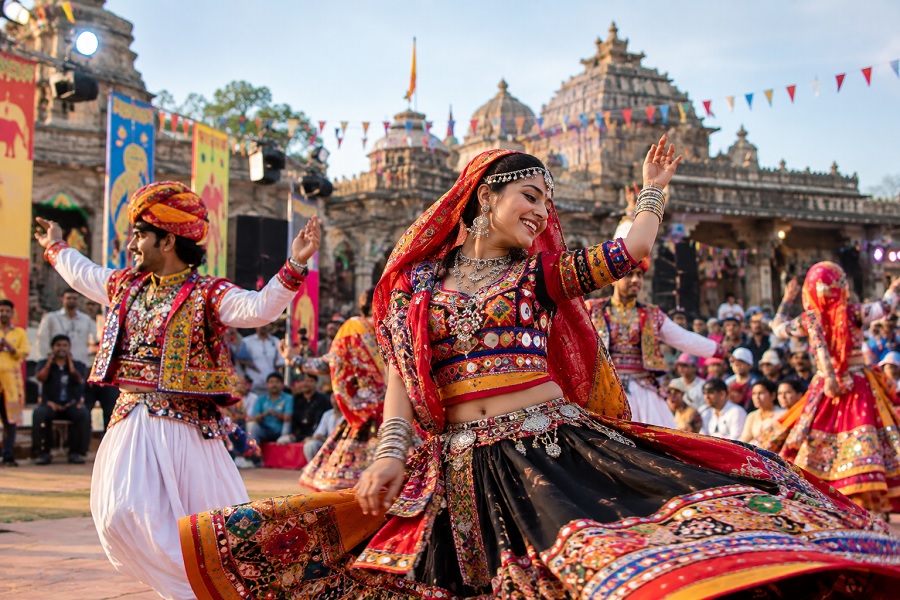
Cultural tourism involves visiting destinations to engage with and learn about their cultural heritage. This can include exploring historical monuments, attending traditional festivals, tasting local cuisine, visiting museums, participating in artisan workshops, and interacting with the local community. It’s a way to appreciate the diversity and richness of human civilization across the globe.
Why Is Cultural Tourism Important?
Preserves Heritage: Cultural tourism encourages the preservation of traditions, historical sites, and crafts by creating awareness and economic incentives.
Fosters Understanding: It bridges cultural gaps by promoting respect, empathy, and mutual understanding among travelers and hosts.
Boosts Local Economies: Supporting local artisans, performers, and small businesses helps sustain communities and improves livelihoods.
Enhances Travel Experience: It transforms a simple trip into an enriching journey full of stories, learning, and meaningful connections.
Popular Types of Cultural Tourism
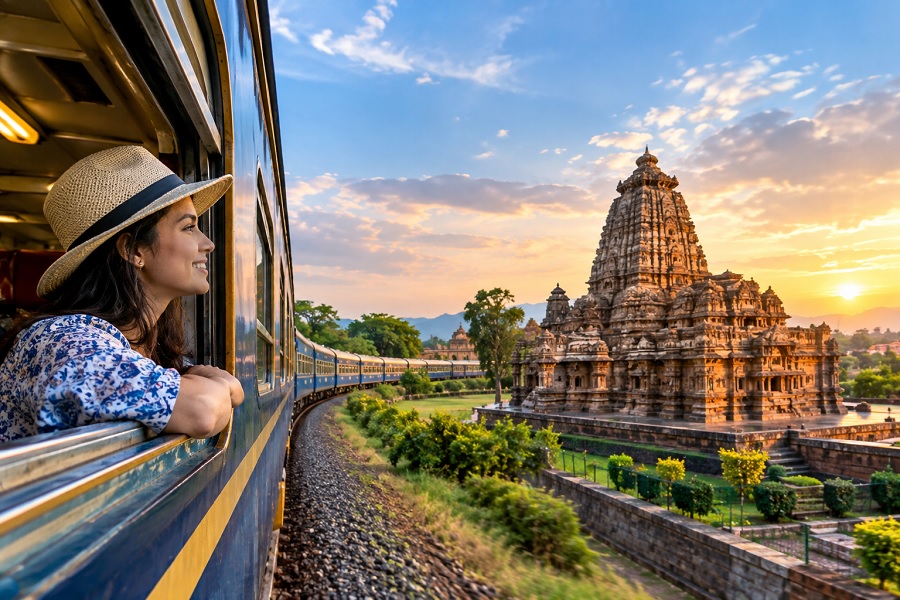
Heritage Tourism: Visiting UNESCO World Heritage sites, ancient ruins, castles, temples, and historical landmarks.
Festival Tourism: Experiencing traditional festivals, music and dance performances, religious ceremonies, and local fairs.
Culinary Tourism: Tasting authentic dishes, learning cooking techniques, and exploring food markets.
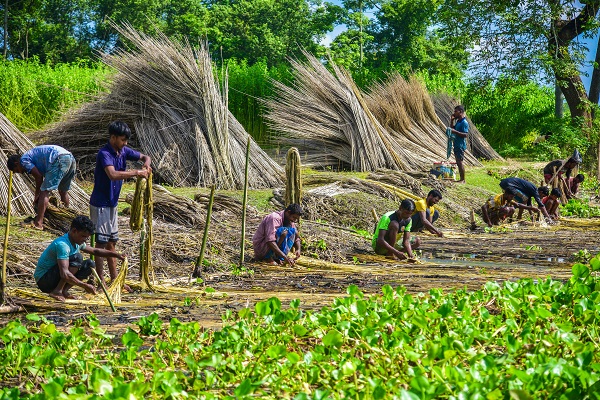
Art and Craft Tourism: Discovering local craftsmanship through pottery, weaving, painting, and other artisan activities.
Community-Based Tourism: Living with or near local communities to experience their daily life, customs, and rituals firsthand.
Top Cultural Tourism Destinations
Rome, Italy: A treasure trove of ancient history, architecture, and art with landmarks like the Colosseum and Vatican.
Kyoto, Japan: Known for its temples, traditional tea ceremonies, and geisha culture.
Marrakech, Morocco: Famous for its vibrant souks, historic palaces, and unique Berber traditions.
Cusco, Peru: Gateway to Machu Picchu and the heart of Incan civilization.
Jaipur, India: Known as the Pink City, rich in royal palaces, forts, and Rajasthani culture.
Tips for Meaningful Cultural Tourism
Respect Local Customs: Learn about and observe cultural norms, dress codes, and etiquette.
Engage with Locals: Interact respectfully with residents, ask questions, and listen to their stories.
Support Authentic Experiences: Choose local guides, family-run homestays, and handmade souvenirs.
Be Mindful of Impact: Travel responsibly to avoid harming cultural sites or exploiting communities.
Learn Before You Go: Reading about the history and culture enhances appreciation and connection.
Conclusion
Cultural tourism is a gateway to understanding the world beyond surface-level attractions. It allows travelers to step into different worlds, appreciate human creativity and resilience, and foster global harmony. By embracing cultural tourism, we not only enrich our own lives but also contribute to preserving and celebrating the diverse tapestry of human heritage.