Traditional Textile Tourism: Exploring India’s Rich Heritage of Handlooms and Crafts
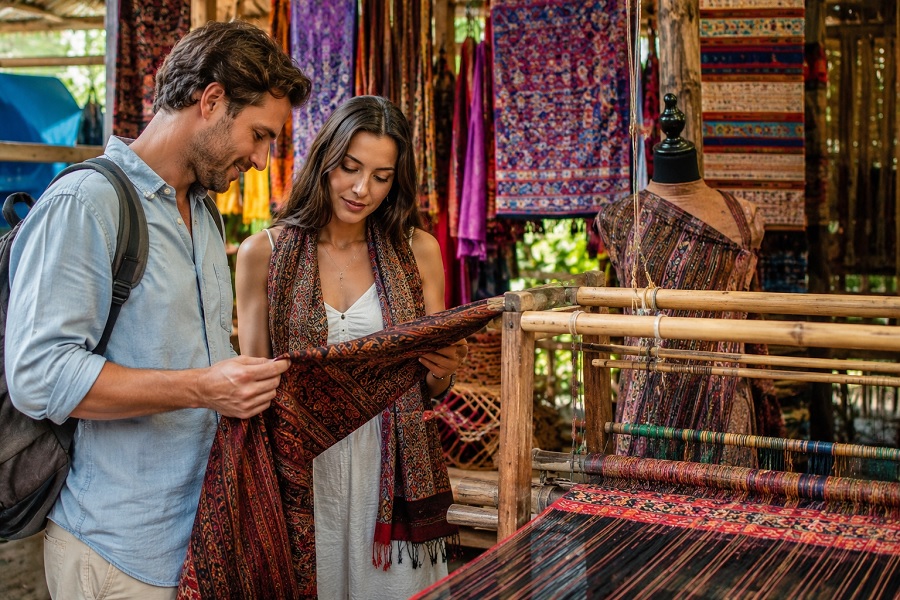
Traditional Textile Tourism: Exploring the Living Heritage of Fabrics and Craftsmanship
Traditional Textile Tourism is an emerging form of cultural tourism that allows travelers to discover the history, craftsmanship, communities, and cultural traditions behind handmade fabrics. From handlooms and natural dyes to embroidery and traditional weaving techniques, textiles provide a unique way to understand the identity of a region.
For travelers, textile tourism goes beyond shopping. It can involve visiting weaving villages, meeting artisans, exploring museums, attending textile festivals, participating in workshops, and observing traditional production methods.
What Is Traditional Textile Tourism?
Traditional Textile Tourism focuses on travel experiences connected with regional textile traditions and craftsmanship. Visitors can learn how fabrics are designed, spun, dyed, woven, embroidered, printed, and finished.
India is particularly suitable for textile tourism because different regions have developed distinctive traditions over generations. Examples include Banarasi silk, Kanchipuram silk, Chanderi, Maheshwari, Pochampally Ikat, Kalamkari, Ajrakh, Phulkari, Chikankari, and traditional Himalayan textiles.
These traditions reflect local history, climate, communities, artistic styles, religious influences, and economic activities.
Why Textile Tourism Is Becoming Popular
Modern travelers increasingly look for authentic experiences rather than simply visiting popular attractions. Traditional textiles offer an opportunity to connect directly with local communities and understand how cultural knowledge is passed from one generation to another.
Textile tourism can provide visitors with:
Authentic cultural experiences
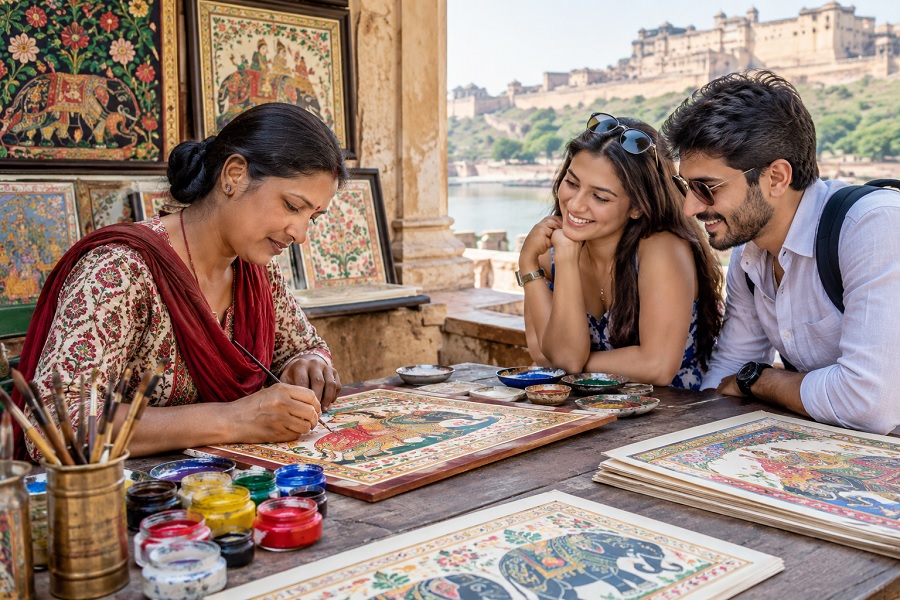
Opportunities to meet local artisans
Traditional weaving demonstrations
Hands-on craft workshops
Local shopping experiences
Historical and cultural education
Photography opportunities
Community-based tourism experiences
Sustainable travel opportunities
Unique handmade souvenirs
Popular Traditional Textile Experiences
1. Handloom Village Tours
Handloom villages allow visitors to observe traditional weaving techniques and understand the amount of time and skill involved in producing handmade fabrics.
Travelers can watch artisans prepare yarn, operate looms, create patterns, and complete finished textiles.
2. Textile Museum Visits
Textile museums preserve historical fabrics, weaving equipment, traditional costumes, embroidery, and regional designs. They are valuable destinations for travelers interested in the history of clothing and craftsmanship.
3. Weaving Workshops
Interactive workshops allow tourists to learn basic weaving techniques themselves. These experiences can be particularly attractive to families, students, photographers, designers, and craft enthusiasts.
4. Natural Dye Experiences
Natural dyeing is an important part of many traditional textile practices. Visitors can learn about plant-based and mineral-based dyes and observe how artisans create different shades.
5. Traditional Embroidery Tours
Embroidery traditions can reveal stories about a community's history and artistic identity. Travelers can explore regional techniques and purchase handmade embroidered products directly from artisans.
Traditional Textile Tourism in India
India has a remarkable diversity of textile traditions. Each region has developed distinctive materials, techniques, patterns, and designs.
Banarasi Silk
Banarasi silk from Varanasi is known for intricate weaving and elaborate designs. A textile-focused visit can include exploring weaving communities and traditional silk markets.
Kanchipuram Silk
Kanchipuram in Tamil Nadu is famous for traditional silk sarees and generations of weaving knowledge. Visitors can explore workshops and learn about the production process.
Chanderi Textiles
Chanderi in Madhya Pradesh is associated with lightweight handwoven fabrics and distinctive traditional designs.
Pochampally Ikat
Pochampally in Telangana is renowned for Ikat weaving, in which yarns are carefully dyed before or during the weaving process to create distinctive patterns.
Kalamkari
Kalamkari is a traditional textile art involving hand-painted or block-printed designs. Andhra Pradesh and Telangana are important centers for this craft tradition.
Phulkari
Phulkari embroidery is strongly associated with Punjab. Its colorful floral patterns provide visitors with an opportunity to explore regional embroidery traditions.
Chikankari
Lucknow is famous for Chikankari embroidery, a delicate craft traditionally associated with finely detailed handwork.
Ajrakh
Ajrakh is a traditional block-printing technique associated particularly with Gujarat and parts of Rajasthan. The craft is known for detailed geometric and floral patterns.
Cultural Importance of Textile Tourism
Textiles are more than clothing. They can represent identity, celebrations, social traditions, occupations, regional history, and artistic expression.
Traditional clothing may be associated with weddings, religious celebrations, festivals, ceremonies, or everyday life. Learning about these connections can make a cultural journey more meaningful.
Textile tourism also helps visitors understand the relationship between craftsmanship and local communities.
Supporting Local Artisans
One of the strongest benefits of textile tourism is the opportunity to support artisans and small craft businesses.
Visitors can contribute by:
Buying directly from artisans
Choosing authentic handmade products
Participating in paid workshops
Visiting community-run craft centers
Supporting local cooperatives
Avoiding counterfeit products
Learning about the craft before purchasing
Paying fair prices for skilled handmade work
Responsible purchasing can help preserve traditional skills and encourage younger generations to continue learning them.
Textile Tourism and Sustainable Travel
Traditional textile tourism can complement sustainable tourism when it supports local production, responsible consumption, and community participation.
Handmade textile traditions often involve local skills and knowledge that have developed over long periods. Responsible tourism can help maintain these cultural practices while creating additional income opportunities for artisan communities.
Travelers can make more responsible choices by purchasing durable handmade products, learning about production methods, avoiding unnecessary waste, and selecting experiences that benefit local communities.
Best Textile Tourism Activities
Travelers interested in textile culture can include several activities in their itinerary:
Visit a traditional weaving center.
Attend a handloom demonstration.
Join a natural-dye workshop.
Explore a textile museum.
Visit a local artisan market.
Learn traditional embroidery.
Photograph traditional looms with permission.
Purchase locally made textiles.
Attend a textile festival.
Stay in a craft-focused village or homestay.
Textile Festivals and Cultural Events
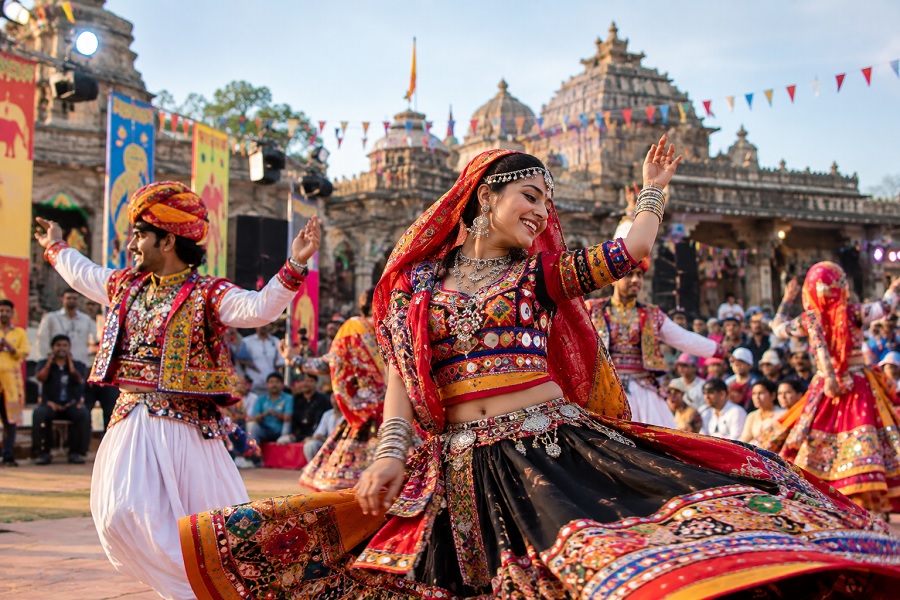
Textile festivals can provide concentrated exposure to multiple craft traditions. Such events may feature exhibitions, demonstrations, fashion presentations, artisan markets, workshops, cultural performances, and discussions about traditional craftsmanship.
For tourists, these events can provide an opportunity to discover different regional textile styles in one place.
Textile Tourism for Different Travelers
For Families
Children can learn about traditional crafts through interactive demonstrations and workshops.
For Students
Textile tourism can support learning about history, design, economics, anthropology, art, and sustainability.
For Couples
Couples can combine cultural exploration with shopping, workshops, photography, and local dining.
For Solo Travelers
Independent travelers can explore craft villages, markets, museums, and artisan studios at their own pace.
For Designers
Textile destinations can provide inspiration through traditional patterns, weaving structures, colors, embroidery, and production techniques.
Tips for Planning a Textile Tourism Trip
Before visiting a textile destination, travelers should research the local craft tradition and identify reputable workshops, museums, artisan centers, and markets.
Useful tips include:
Research the history of the textile tradition.
Book workshops in advance when necessary.
Ask before photographing artisans or workshops.
Purchase directly from trusted sources.
Learn how to identify handmade products.
Respect local customs and working environments.
Carry reusable bags for purchases.
Avoid bargaining excessively with individual artisans.
Keep receipts and product information for valuable purchases.
Choose authentic regional products instead of mass-produced imitations.
The Future of Traditional Textile Tourism
Technology is creating new opportunities for textile tourism. Digital storytelling, virtual tours, interactive museums, online craft marketplaces, augmented-reality heritage experiences, and social media can help younger travelers discover traditional crafts.
At the same time, the most valuable experiences remain those that create a genuine connection between visitors and artisans.
The future of textile tourism is therefore likely to combine traditional craftsmanship with modern storytelling and responsible tourism practices.
Conclusion
Traditional Textile Tourism offers travelers a fascinating way to explore cultural heritage through fabrics, weaving, embroidery, dyeing, printing, and craftsmanship. It transforms textiles from ordinary travel souvenirs into gateways to history, community, art, and identity.
From India's handloom villages and silk centers to embroidery communities and traditional printing regions, textile destinations can provide memorable experiences while supporting local artisans.
For travelers seeking meaningful cultural experiences in 2026, traditional textile tourism offers an opportunity to learn, explore, shop responsibly, and contribute to the preservation of living cultural traditions.