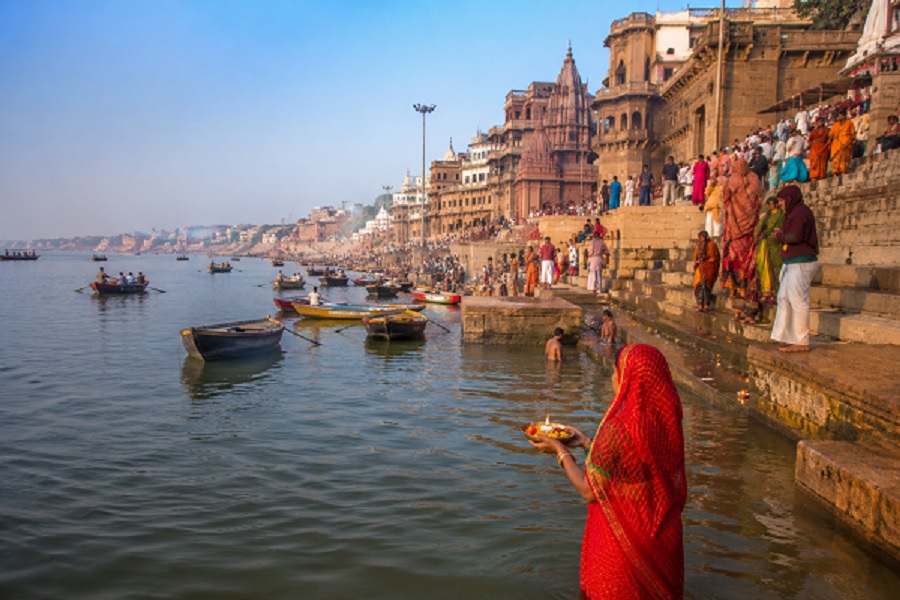
Traditional Storytelling Tourism: Preserving Heritage Through Stories and Oral Traditions
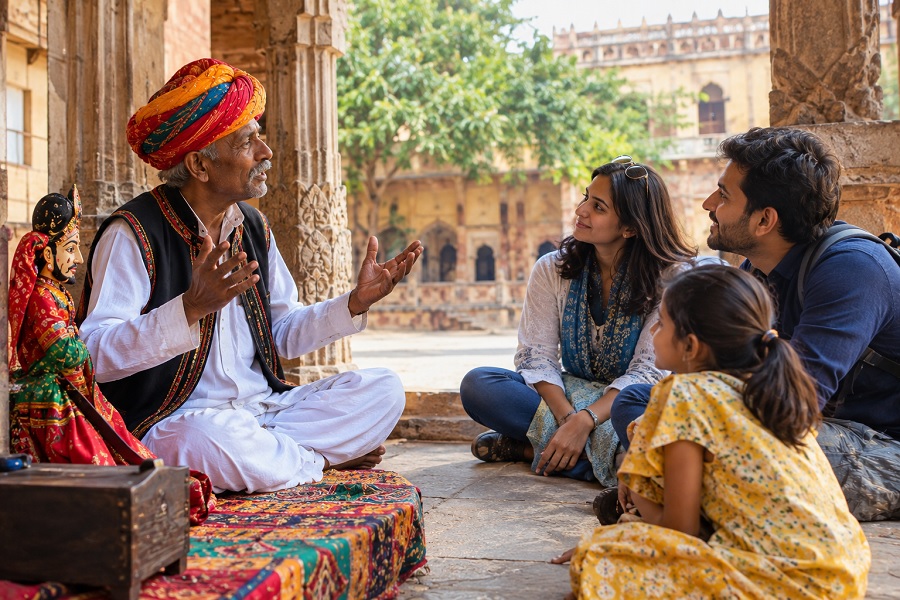
Traditional Storytelling Tourism
Traditional Storytelling Tourism is an emerging form of cultural tourism that allows travellers to experience a destination through its legends, folktales, myths, oral histories, songs, poems, and stories passed down through generations. Instead of experiencing culture only through monuments and museums, visitors can meet storytellers and local communities and hear the stories connected to a place, its people, traditions, and history.
UNESCO recognizes oral traditions and expressions as an important part of intangible cultural heritage. They include tales, legends, myths, epic songs, poems, chants, dramatic performances, and other spoken forms used to transmit knowledge, social values, and collective memory.
What Is Traditional Storytelling Tourism?
Traditional Storytelling Tourism focuses on experiencing living cultural traditions through storytelling. A local storyteller may share the history of an old fort, a village legend, an ancient kingdom, a traditional festival, a sacred landscape, or stories about community life.
The same story can sometimes change from one storyteller or generation to another because oral traditions involve memory, improvisation, performance, and local interpretation. This flexibility is one of the features that makes storytelling a living cultural experience.
Why Traditional Storytelling Matters in Tourism
Storytelling can help visitors understand the cultural meaning behind places they visit. A monument may provide historical information, but a story connected with that monument can make the experience more personal and memorable.
UNESCO also highlights storytelling and heritage interpretation as ways to help visitors connect with the meaning of heritage places while supporting education, conservation, and sustainable tourism.
Popular Traditional Storytelling Experiences
1. Village Storytelling Tours
Travellers can visit villages and listen to elders or trained local storytellers describe local traditions, historical events, legends, and everyday life.
2. Heritage Storytelling Walks
Heritage walks can combine monuments, streets, markets, temples, forts, and historic neighbourhoods with stories about the people and events associated with them.
3. Folktale Experiences
Local folktales can introduce visitors to traditional beliefs, moral values, heroes, animals, supernatural characters, and historical memories.
4. Mythology-Based Cultural Tours
Destinations with strong mythological traditions can develop storytelling experiences around legends associated with temples, rivers, mountains, forests, and ancient settlements.
5. Festival Storytelling
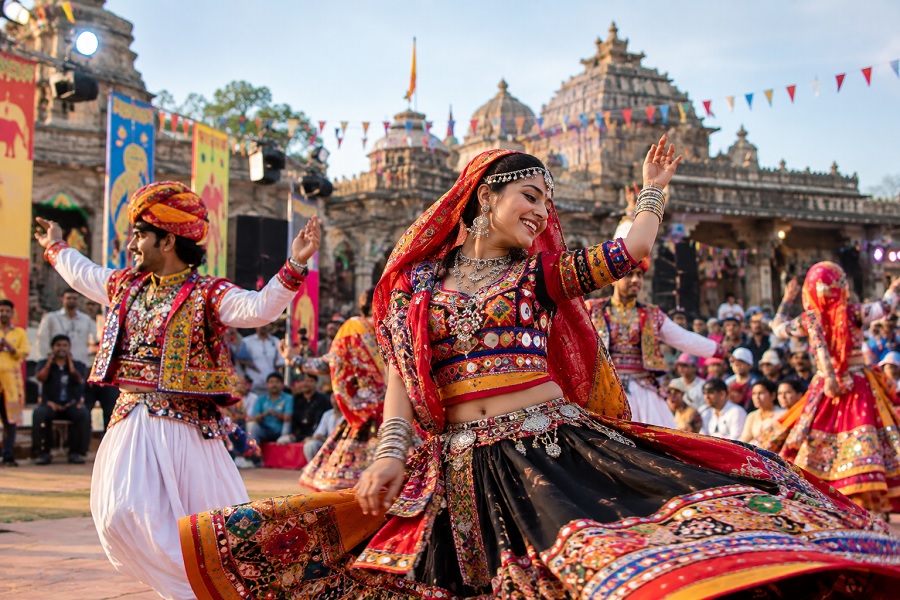
Traditional festivals provide opportunities for storytellers to explain the history and cultural significance behind rituals, celebrations, music, costumes, and local customs.
Traditional Storytelling Tourism in India
India has a particularly rich environment for storytelling tourism because its cultural heritage includes numerous oral traditions, languages, folk narratives, songs, performances, rituals, and community traditions. The Ministry of Culture describes India's intangible cultural heritage as including songs, dances, rituals, languages, crafts, and other living cultural expressions.
Different regions can offer distinctive storytelling experiences based on their local histories and traditions. Rajasthan, Maharashtra, Karnataka, Kerala, West Bengal, Himachal Pradesh, the Northeast, and many other regions have diverse folk and oral traditions that can become part of responsible cultural tourism.
For example, traditional performances may combine storytelling with music, dance, costumes, instruments, and dramatic presentation.
Storytelling and Heritage Sites
Historic places become more engaging when visitors learn the human stories connected to them.
A heritage storytelling tour can explain:
The origins of a historic settlement
Stories about local rulers
Traditional occupations
Legends associated with monuments
Local festivals
Community memories
Traditional food and customs
Stories about artisans
Historic trade routes
Local architecture
UNESCO's current heritage work in India includes storytelling sessions and heritage walks as tools for education, awareness, community involvement, and sustainable tourism.
Digital Storytelling Tourism
Technology is creating new ways to present traditional stories. Audio guides, podcasts, digital archives, mobile applications, augmented reality, virtual reality, and recorded interviews can help visitors access stories in different languages.
Digital recording can also help preserve elements such as pronunciation, intonation, gestures, facial expressions, and different versions of a story. UNESCO notes that audio and video technologies can support the safeguarding and wider transmission of oral traditions.
However, technology should support the tradition rather than replace the communities and storytellers who carry it.
Storytelling and Local Communities
Local participation is essential to successful Traditional Storytelling Tourism. Storytellers, elders, artists, cultural organizations, guides, and community members should have meaningful roles in deciding how their traditions are presented.
This is especially important because tourism can have both positive and negative effects on intangible cultural heritage. Research on the Kalbeliya tradition in Rajasthan, for example, found that tourism created some economic and confidence benefits for performers but also contributed to commercialization and changes in traditional performance contexts.
Therefore, tourism development should avoid turning cultural traditions into standardized performances solely for visitors.
Benefits of Traditional Storytelling Tourism
Traditional Storytelling Tourism can provide several benefits:
Supports local storytellers and performers
Creates cultural learning opportunities
Encourages intergenerational knowledge transfer
Helps visitors understand local traditions
Supports community-based tourism
Creates employment opportunities
Encourages preservation of local languages
Strengthens cultural identity
Adds depth to heritage tours
Supports local tourism businesses
Maintaining opportunities for elders and younger generations to share stories is particularly important because oral traditions depend on continued transmission between people.
Traditional Storytelling for Families and Students
Storytelling can be especially effective for educational tourism. Children and students may find traditional stories easier to engage with than conventional historical descriptions.
A cultural tourism program can combine storytelling with:
Heritage walks
Traditional games
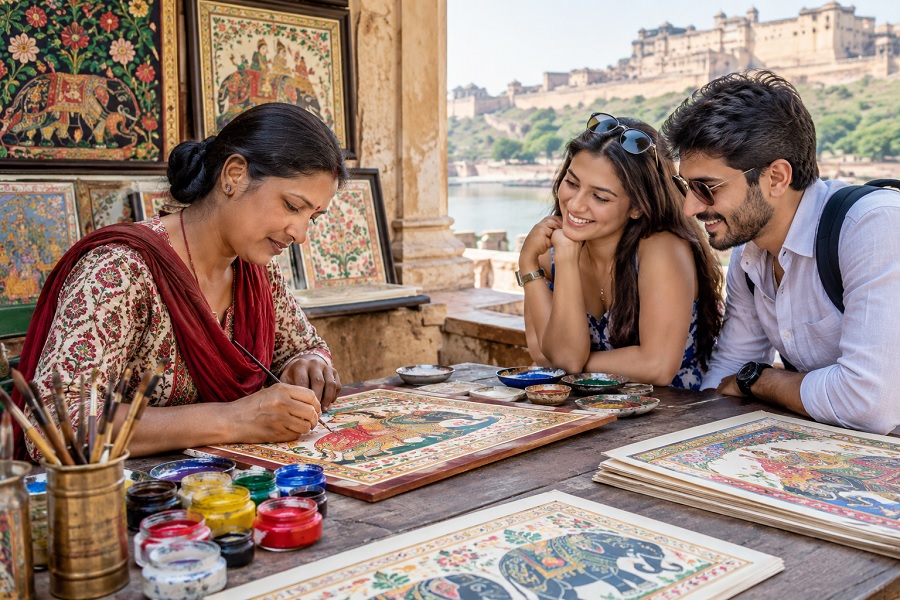
Local craft demonstrations
Music
Dance
Food experiences
Drawing activities
Theatre
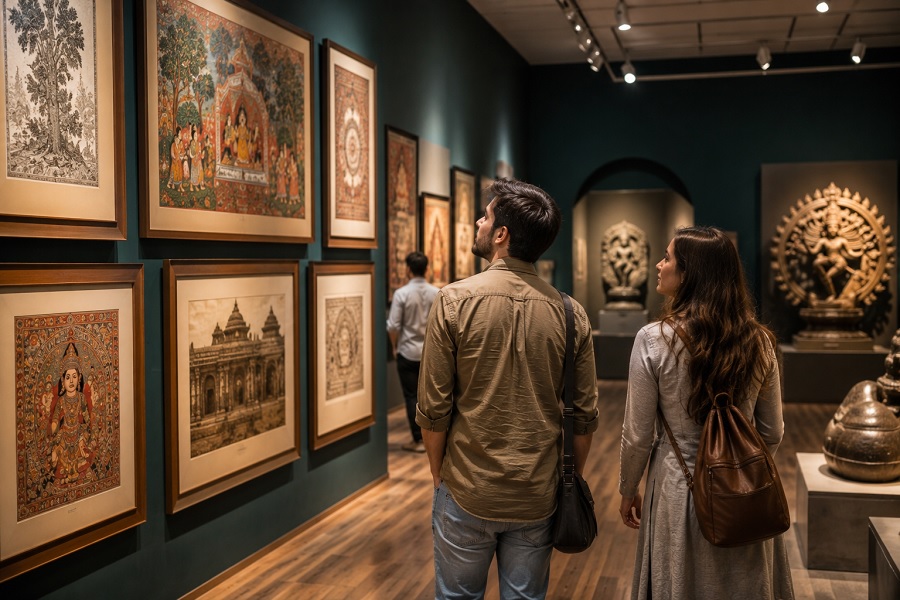
Museum visits
Local language lessons
This approach can turn cultural tourism into an interactive learning experience.
Storytelling for International Tourists
International visitors may not be familiar with local languages, traditions, or historical references. Multilingual storytelling can make cultural experiences more accessible.
Guides can provide stories in the visitor's language while preserving important local words, expressions, names, and cultural concepts. UNESCO emphasizes the close connection between mother languages and the transmission of intangible cultural heritage.
Sustainable Traditional Storytelling Tourism
Sustainability should be at the centre of storytelling tourism. Communities should have control over how their cultural knowledge is presented, while storytellers should receive fair recognition and compensation.
Tour operators can also limit group sizes, encourage respectful visitor behaviour, support local cultural organizations, and avoid inappropriate commercialization.
Recent research into intangible cultural heritage tourism continues to emphasize heritage protection, sustainability, tourism impacts, and community participation as major areas of concern.
Future of Traditional Storytelling Tourism
The future of Traditional Storytelling Tourism is likely to combine living traditions with modern interpretation technologies. Digital archives, immersive heritage experiences, multilingual audio guides, interactive storytelling, and community-led tourism can make traditional narratives accessible to new audiences.
At the same time, preserving the human element will remain essential. Traditional storytelling is not simply a collection of old stories. It is a living process in which knowledge, language, identity, memories, and cultural values are transmitted from one generation to another.
Conclusion
Traditional Storytelling Tourism offers travellers a deeper way to experience culture. It transforms history and heritage into personal, human experiences by connecting visitors with local voices and community memories.
From village legends and folk tales to heritage walks, festival narratives, mythology, oral histories, and digital storytelling, this form of tourism can create meaningful experiences while supporting cultural preservation. When communities remain active participants and receive fair benefits, storytelling tourism can contribute to both cultural continuity and sustainable tourism development.