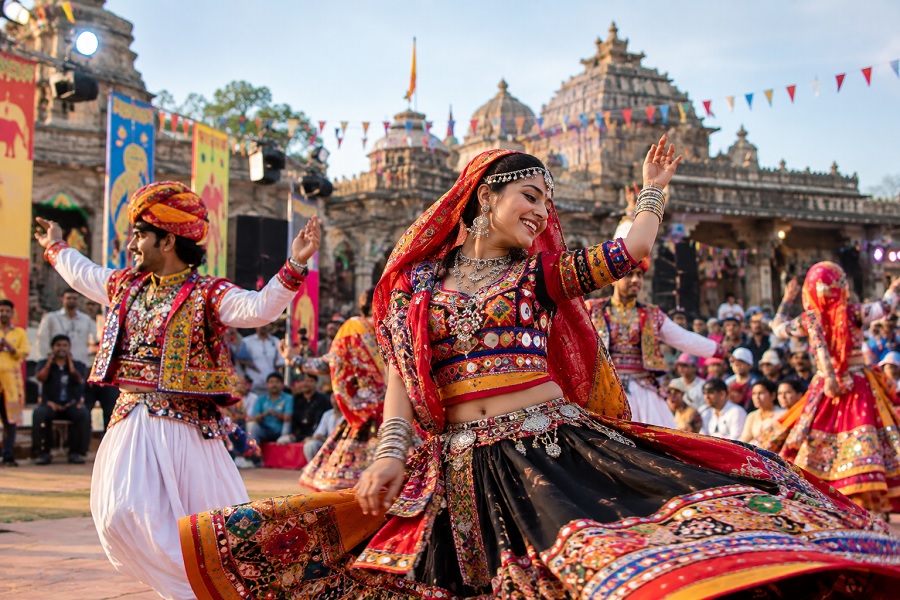
Traditional Sports and Cultural Tourism: Preserving Heritage Through Experience
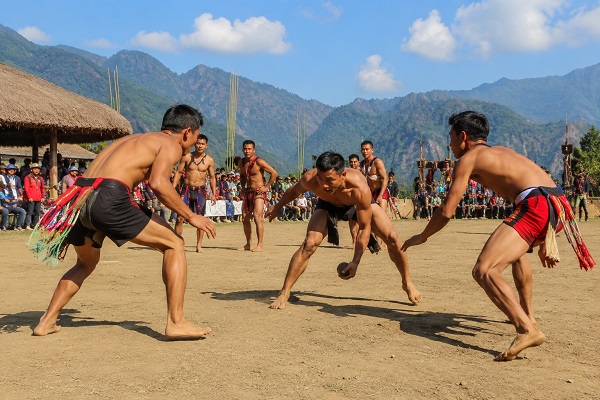
In a rapidly modernizing world, traditional sports and cultural tourism offer a unique opportunity to reconnect with history, heritage, and local identity. These age-old games and sporting traditions are more than just physical activities; they reflect the values, customs, and lifestyles of communities that have preserved them for generations. As travelers seek authentic experiences, traditional sports have become an important attraction within cultural tourism.
The Connection Between Traditional Sports and Culture
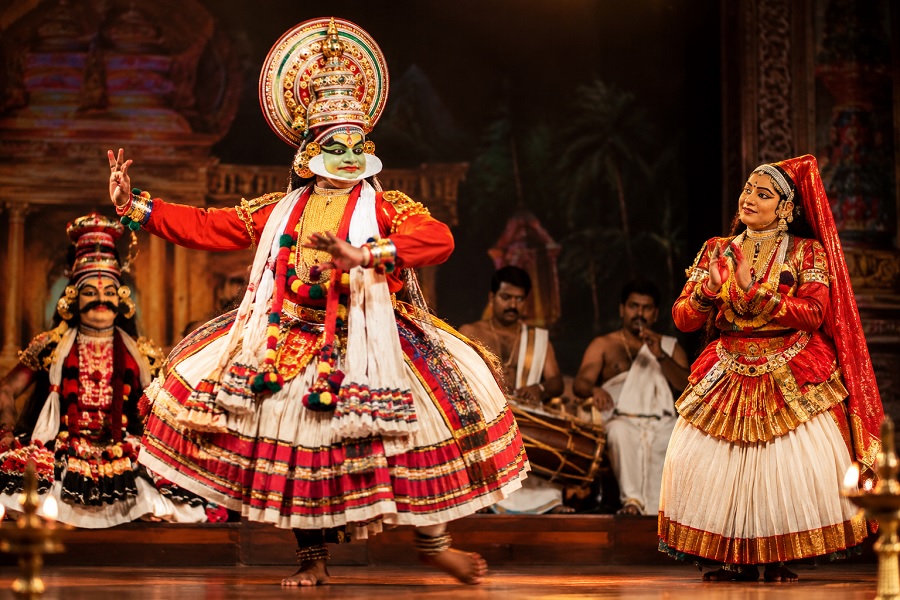
Traditional sports are deeply rooted in the cultural fabric of societies. Whether it is wrestling in rural villages, boat racing in river communities, archery festivals, or indigenous martial arts, these activities often have historical, religious, or social significance. They tell stories of ancient civilizations, community celebrations, and local traditions that continue to thrive despite modern influences.
For tourists, witnessing or participating in traditional sports provides a deeper understanding of a destination's heritage. It transforms travel from simple sightseeing into meaningful cultural engagement.
Popular Traditional Sports Around the World
Many countries proudly showcase their traditional sports as part of cultural tourism experiences:
Kabaddi tournaments in India highlight teamwork, strength, and strategy.
Dragon Boat Racing in China celebrates ancient legends and community spirit.
Sumo Wrestling in Japan reflects centuries of ritual and discipline.
Highland Games in Scotland feature traditional athletic contests and cultural festivities.
Camel Racing in the Middle East showcases desert heritage and endurance.
Indigenous canoe races and tribal games in various regions preserve local customs and traditions.
These events attract visitors from around the globe who are eager to experience authentic cultural celebrations.
Benefits of Traditional Sports Tourism
Cultural Preservation
Tourism creates awareness and financial support for traditional sports, helping communities preserve their heritage and pass it on to future generations.
Economic Growth
Local festivals, competitions, and sporting events generate income for communities through accommodation, food services, handicrafts, and guided experiences.
Community Engagement
Traditional sports festivals bring people together, strengthening local pride and encouraging younger generations to participate in cultural activities.
Educational Experiences
Visitors gain valuable insights into local history, customs, and social values through direct interaction with athletes, performers, and community members.
Traditional Sports Festivals as Tourist Attractions
Many destinations organize annual festivals centered around traditional sports. These events often include music, dance performances, local cuisine, craft exhibitions, and cultural ceremonies. Such festivals provide a complete cultural immersion experience, allowing travelers to engage with multiple aspects of local life.
Tourists often appreciate the opportunity to learn traditional techniques, attend workshops, and even participate in friendly competitions, creating memorable travel experiences.
Sustainable Cultural Tourism Through Sports
Traditional sports tourism supports sustainable travel by encouraging visitors to explore rural and lesser-known destinations. This helps distribute tourism benefits beyond major cities while preserving local customs and reducing cultural homogenization.
By respecting local traditions and supporting community-led events, travelers contribute to the long-term sustainability of cultural heritage and regional development.
The Future of Traditional Sports Tourism
As interest in experiential travel continues to grow, traditional sports are becoming an increasingly valuable part of cultural tourism. Governments, tourism boards, and local communities are working together to promote these unique experiences while ensuring their authenticity and cultural significance remain intact.
Traditional sports and cultural tourism create a bridge between the past and the present. They offer travelers a chance to celebrate human diversity, learn about different cultures, and participate in living traditions that have shaped communities for centuries.
Conclusion
Traditional sports and cultural tourism provide a powerful way to preserve heritage, strengthen local economies, and create unforgettable travel experiences. By embracing these unique traditions, travelers gain a richer understanding of the world's diverse cultures while helping communities keep their cherished customs alive for future generations.