Traditional Jewelry Tourism
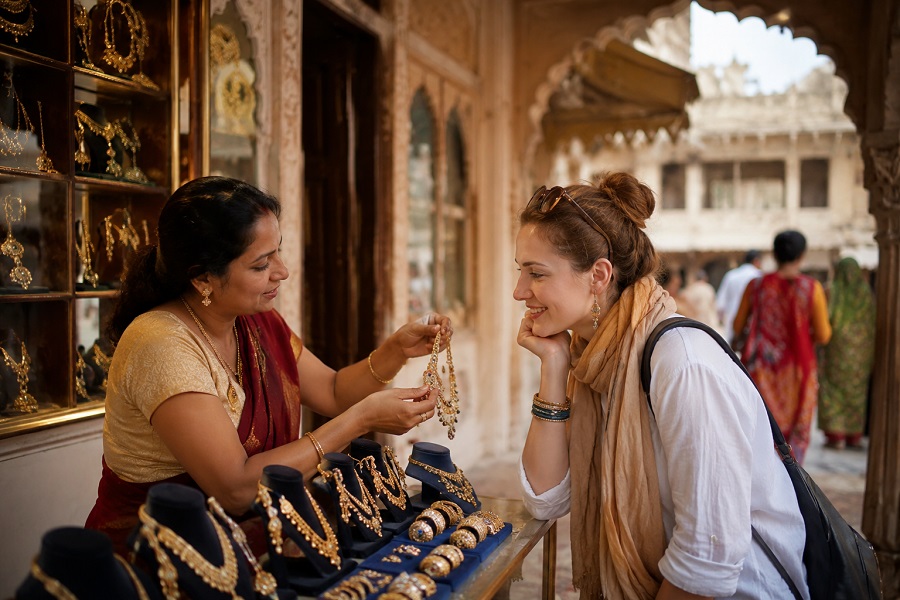
Traditional Jewelry Tourism is a niche but fast-growing part of cultural travel where visitors explore heritage craft traditions, regional ornament styles, and the stories behind handmade jewelry. It goes beyond shopping. It connects travelers with local artisans, old marketplaces, and living craft techniques passed through generations.
Traditional Jewelry Tourism – Article Information
In many parts of the world, jewelry is not just decoration. It is identity, history, and cultural memory. Traditional jewelry tourism focuses on destinations where craftsmanship is still done by hand using age-old methods like filigree work, stone setting, beadwork, metal engraving, and temple-style designs.
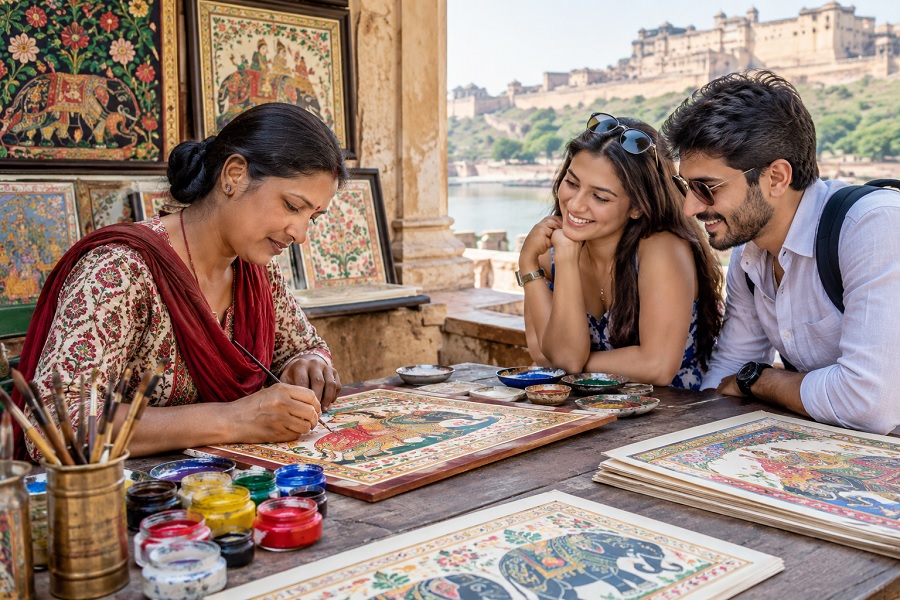
Travelers usually visit heritage markets, artisan villages, and craft workshops. They can watch live demonstrations of jewelry making, learn about materials like gold, silver, coral, pearls, and tribal metals, and sometimes even try basic crafting techniques themselves.
Countries like India, Thailand, Morocco, Turkey, and Mexico are well known for their traditional jewelry ecosystems. In India, regions like Rajasthan, Gujarat, and Tamil Nadu are especially famous for distinct styles such as Kundan, Meenakari, Temple jewelry, and tribal silver ornaments.
This type of tourism also supports local economies. Many artisans rely on direct sales and tourism exposure to sustain their craft in a modern, mass-produced market. It also helps preserve cultural heritage that might otherwise fade away.
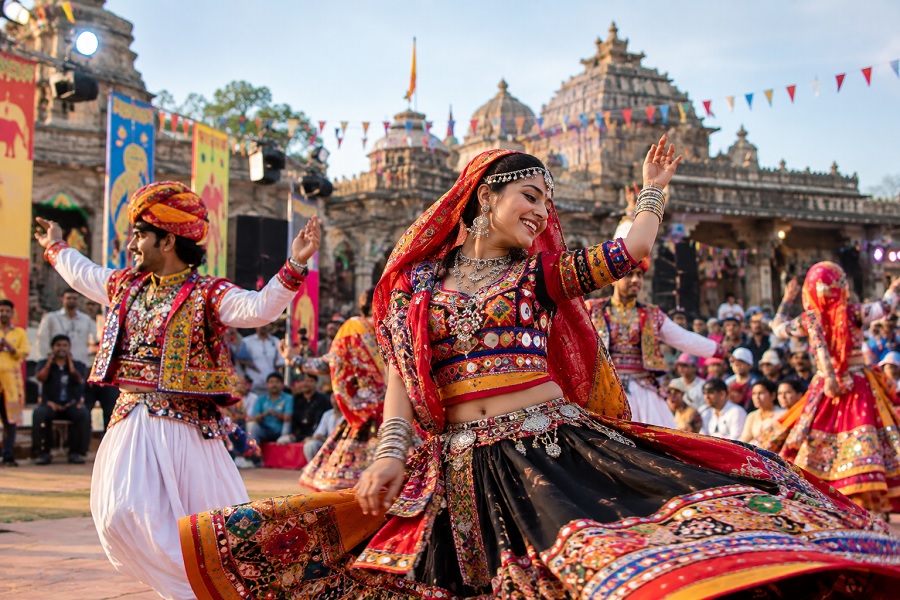
For travelers, the experience is both educational and emotional. Every piece of jewelry carries meaning, often linked to rituals, festivals, marriage traditions, or regional identity.
Today, traditional jewelry tourism is also evolving with sustainable tourism trends. Ethical sourcing, fair trade practices, and artisan cooperatives are becoming more important, making the experience more responsible and impactful.