Traditional Heritage Market Tourism
Traditional Heritage Market Tourism
Traditional Heritage Market Tourism is one of the most immersive ways to experience the cultural soul of a destination. These markets are not just shopping spaces, they are living museums where history, craft, food, and community come together in everyday life.
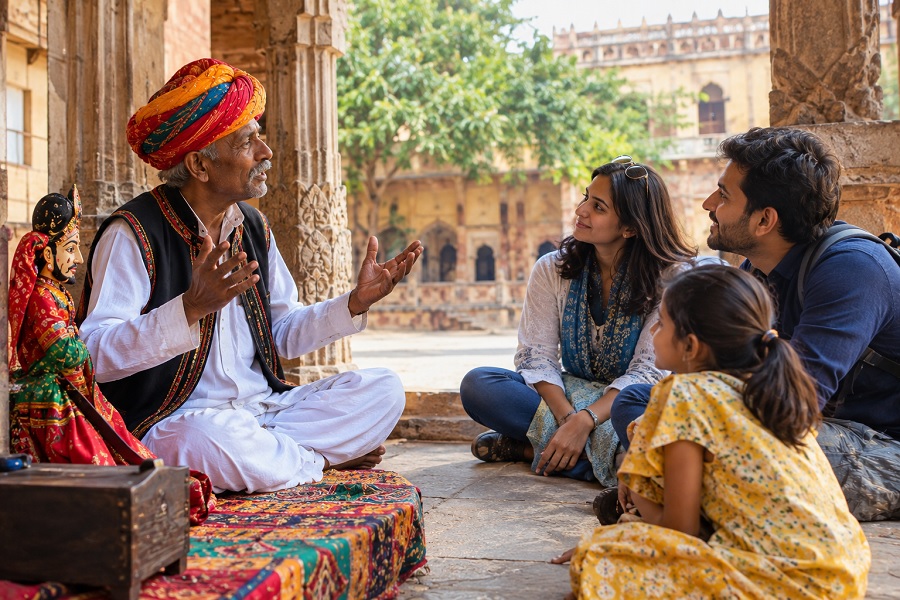
Heritage markets are often found in old city quarters, temple towns, and historic trade routes. They reflect centuries of cultural exchange where local artisans, farmers, and traders continue practices passed down through generations. Walking through these markets feels like stepping into a timeline where the past and present exist side by side.
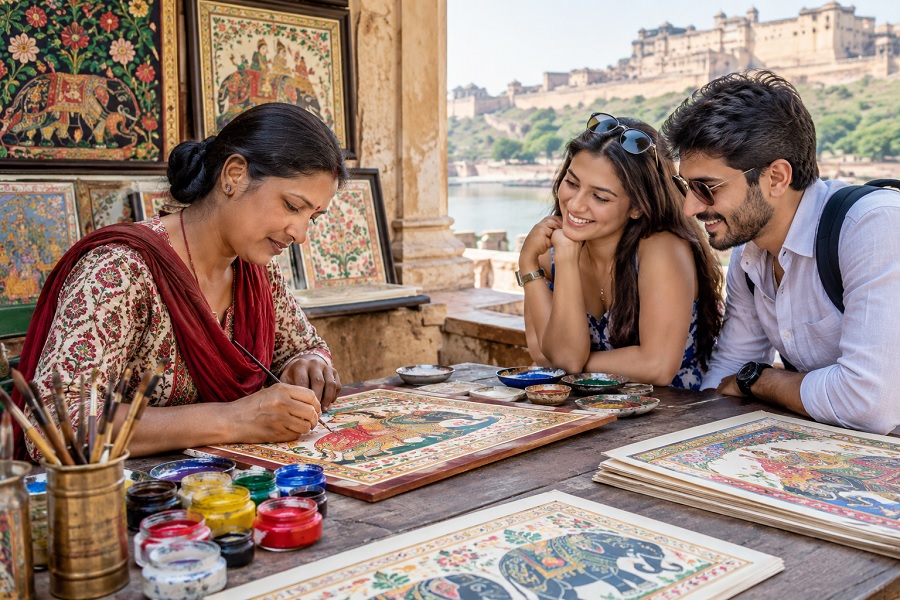
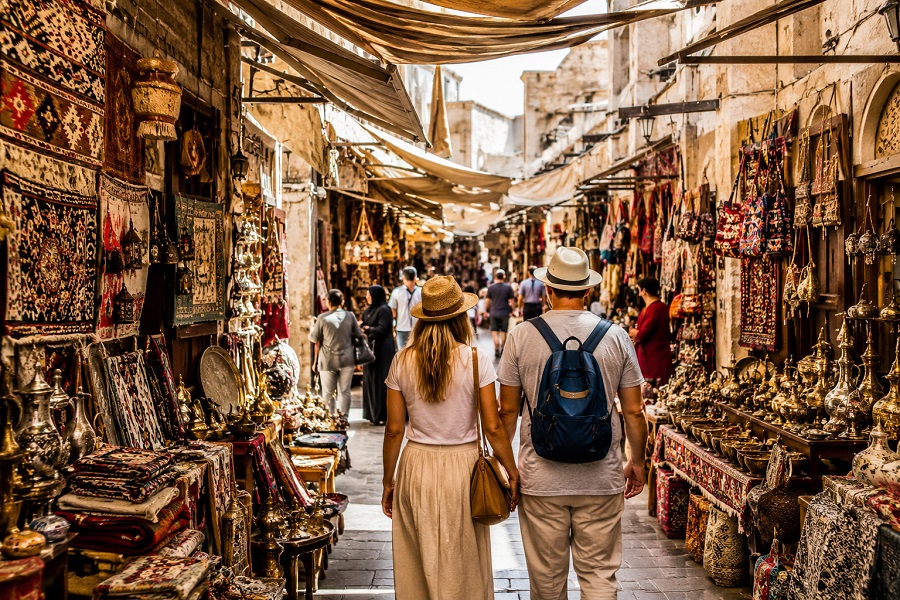
One of the most striking features of heritage markets is their architecture. Narrow lanes, stone pavements, wooden shopfronts, and age-old courtyards create an atmosphere that modern malls cannot replicate. Each stall tells a story, whether it is handwoven textiles, traditional jewelry, brassware, pottery, spices, or regional street food.
These markets also play a key role in preserving local craftsmanship. Many artisans rely on them as their primary source of livelihood. Tourists who visit these places are not just buying products, they are directly supporting cultural sustainability. This form of tourism encourages responsible travel and helps keep traditional skills alive.
Food is another major attraction. Heritage markets often serve authentic regional dishes prepared using age-old recipes. From spicy snacks to sweet delicacies, these flavors offer a deep connection to local identity.
Traditional heritage market tourism also promotes slow travel. Instead of rushing through attractions, visitors spend time observing, interacting, and learning. This creates meaningful travel experiences and stronger cultural appreciation.
In recent years, these markets have gained global attention as travelers seek more authentic and less commercialized experiences. Governments and local communities are also investing in preservation efforts, improving infrastructure while maintaining historical integrity.
Overall, traditional heritage market tourism is not just about sightseeing. It is about understanding how people live, create, trade, and celebrate culture in its most natural form.