South American Folk Traditions: A Living Heritage of Culture and Community
South America is a continent rich in cultural diversity, where ancient indigenous customs blend seamlessly with European, African, and Asian influences. Folk traditions across South America serve as a vibrant expression of history, identity, and community spirit. Passed down through generations, these traditions continue to thrive in festivals, music, dance, crafts, storytelling, and religious celebrations.
The Roots of South American Folk Culture
The folk traditions of South America are deeply rooted in the customs of indigenous civilizations such as the Inca, Mapuche, Guaraní, and Quechua peoples. Following the arrival of European colonizers and African communities brought through the transatlantic slave trade, cultural exchanges gave rise to unique traditions that remain central to South American life today.
Music and Dance: The Heartbeat of Tradition
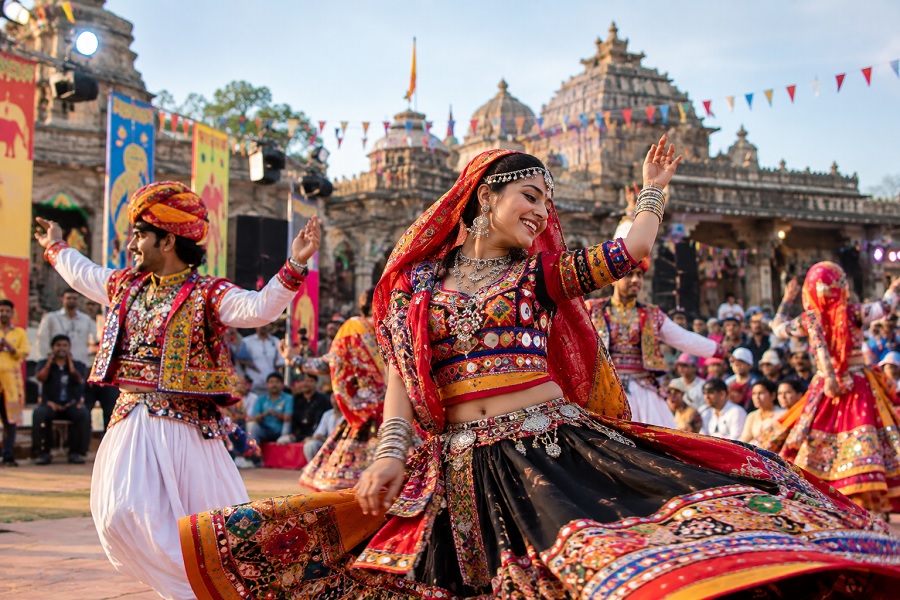
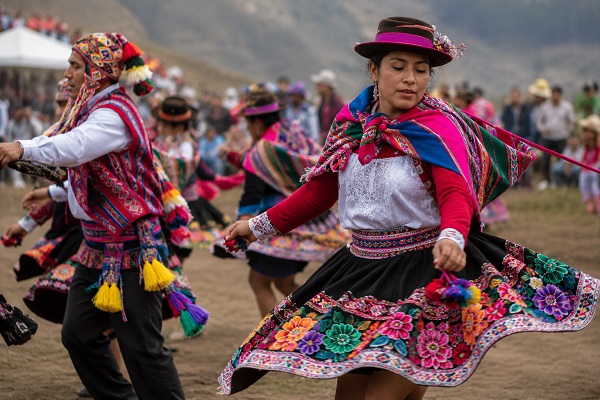
Music and dance are among the most celebrated aspects of South American folk culture. Traditional forms such as the Argentine tango, Brazilian samba, Colombian cumbia, and Peruvian huayno showcase the continent's rich artistic heritage. These performances often accompany festivals and community gatherings, bringing people together through rhythm and storytelling.
Festivals That Celebrate Heritage
Throughout the year, South American countries host colorful festivals that honor local history, religion, and folklore. Carnival in Brazil is one of the world's most famous celebrations, featuring elaborate costumes, parades, and samba performances. In Peru and Bolivia, indigenous festivals blend ancient rituals with Catholic traditions, reflecting centuries of cultural fusion.
Traditional Crafts and Artisanship
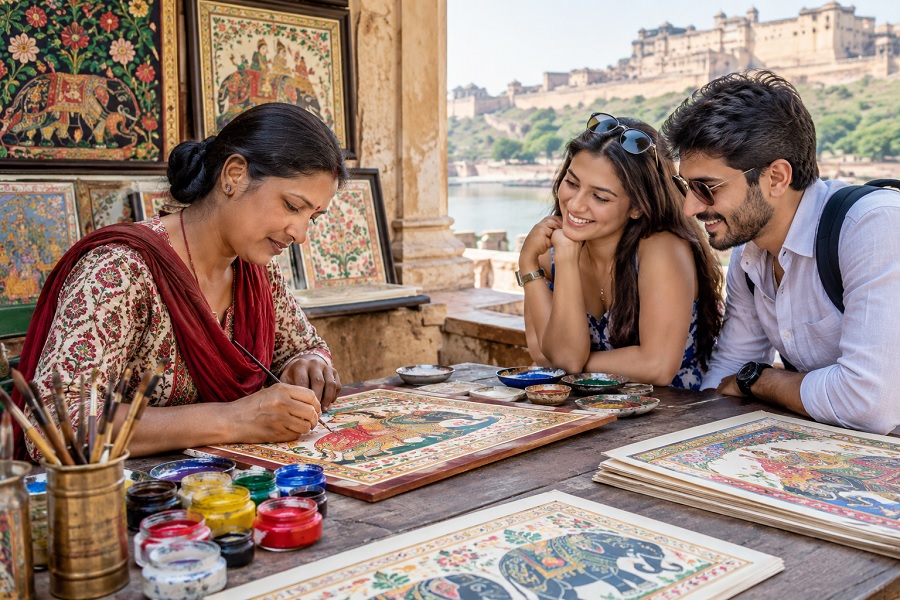
Handcrafted textiles, pottery, wood carvings, and jewelry remain important symbols of South American folk traditions. Indigenous artisans use techniques passed down for centuries, creating beautiful works that reflect local beliefs, landscapes, and cultural identities. These crafts not only preserve heritage but also support local economies.
Storytelling and Oral Traditions
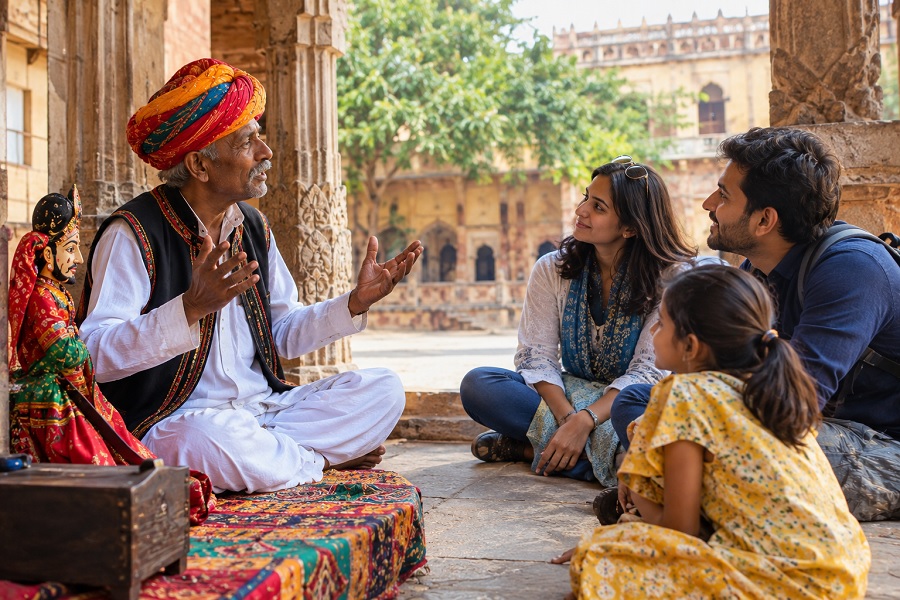
Folktales, myths, and legends continue to play a significant role in preserving cultural values. Stories of mystical creatures, heroic ancestors, and natural spirits are shared through generations, teaching lessons about courage, respect, and community. Oral traditions remain especially important in rural areas where cultural heritage is closely tied to everyday life.
Traditional Cuisine and Community Gatherings
Food is another vital component of South American folk culture. Traditional dishes such as empanadas, arepas, ceviche, and feijoada often feature prominently during family gatherings and celebrations. Cooking methods and recipes passed down through generations help preserve cultural identity while strengthening family bonds.
The Importance of Preservation
Modernization and globalization have introduced new influences across South America, but efforts to preserve folk traditions remain strong. Cultural organizations, local communities, and governments work together to protect traditional practices, ensuring that future generations can continue to celebrate their heritage.
Conclusion
South American folk traditions offer a fascinating glimpse into the continent's diverse cultural landscape. Through music, dance, festivals, storytelling, crafts, and cuisine, communities continue to honor their ancestors while sharing their unique identities with the world. These living traditions remain a powerful testament to South America's rich history, resilience, and cultural pride.