Savoring the World: The Rise of Food and Beverage Tourism

A Feast for the Senses
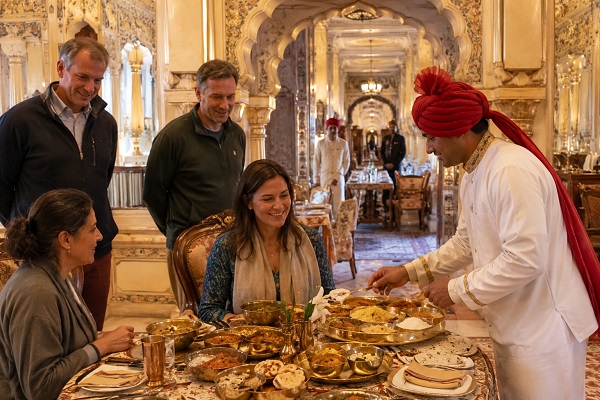
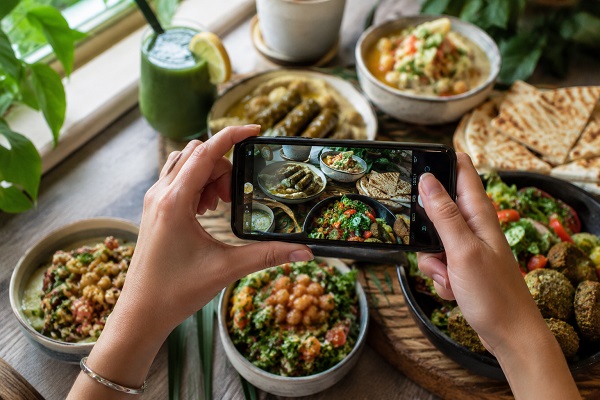
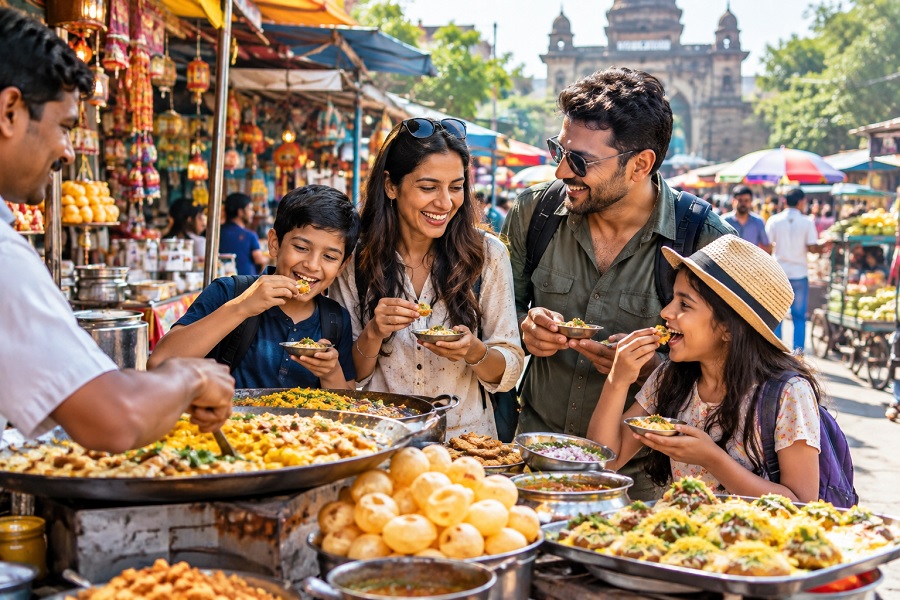
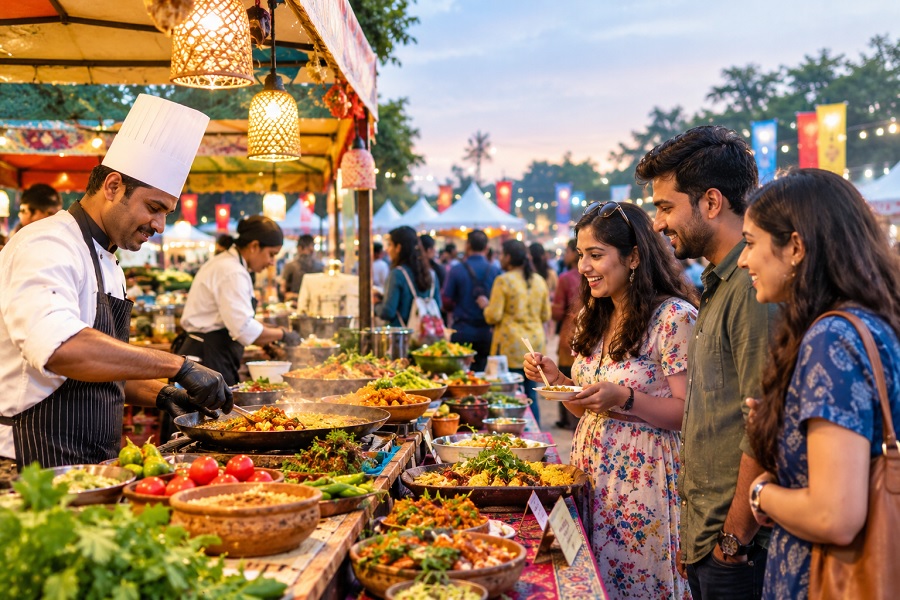
Food tourism is more than just eating; it’s a sensory experience. From bustling street markets offering spicy street food to Michelin-starred restaurants crafting art on a plate, every bite is an invitation to connect with a place’s heritage. Savoring a perfectly aged wine in Tuscany, tasting fresh sushi in Tokyo, or sampling exotic spices in Marrakech creates lasting memories beyond any sightseeing itinerary.
The Cultural Connection
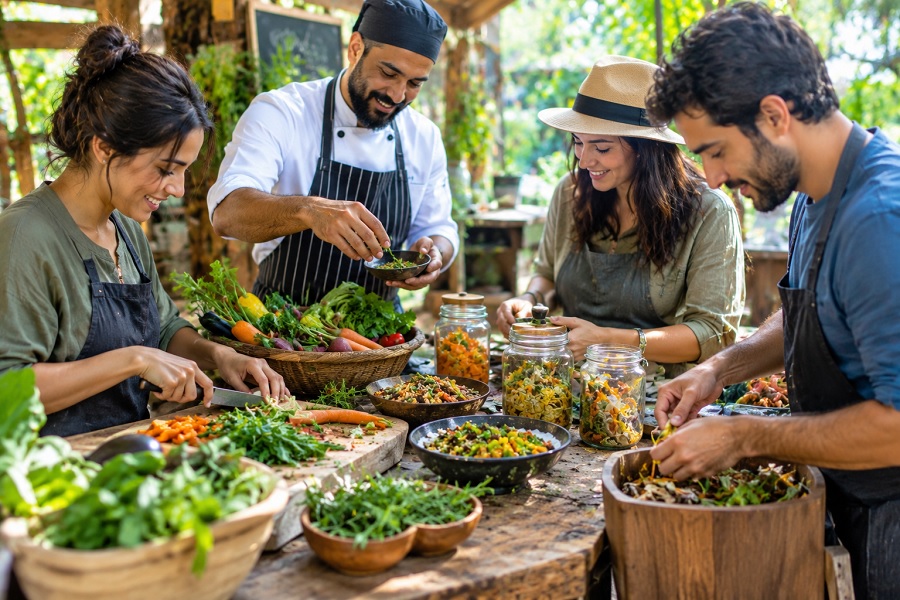
Food is a language that transcends borders. Culinary traditions reflect a community’s history, climate, and values. Travelers engaging in food tourism gain insight into local customs, family recipes, and indigenous ingredients, often participating in cooking classes, food tours, or harvest festivals that deepen their understanding and appreciation.
Beverage Tourism: More Than Just a Drink
From vineyard tours in Bordeaux to craft beer trails in Portland and tea plantations in Sri Lanka, beverage tourism celebrates the artistry and passion behind drinks. Travelers explore production methods, meet artisans, and savor tastings that tell stories of terroir, tradition, and innovation.
Sustainable and Ethical Choices
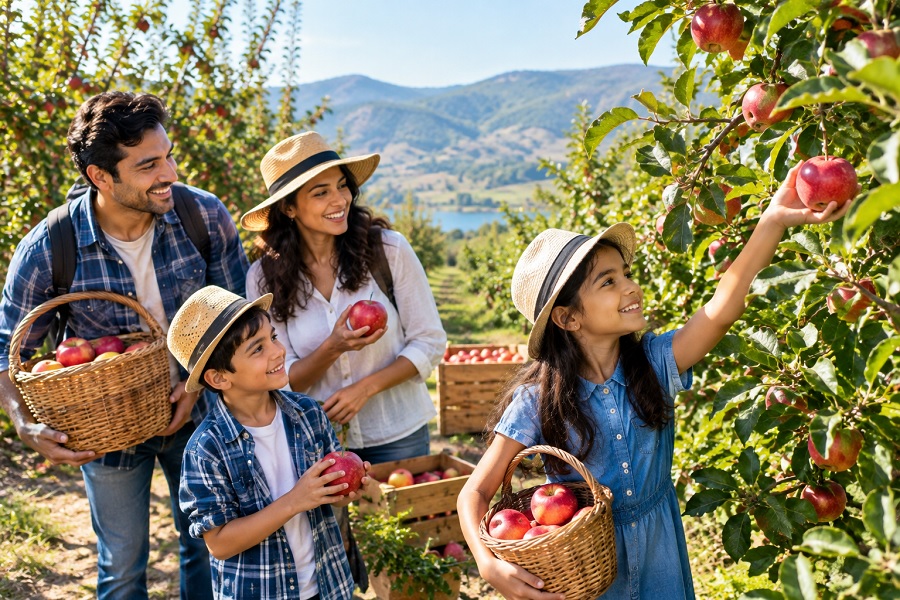
With growing awareness of sustainability, many food tourists seek farm-to-table experiences, organic produce, and ethical dining. Supporting local farmers and producers not only enriches the travel experience but also contributes to preserving regional food heritage and protecting the environment.
Planning Your Food and Beverage Journey
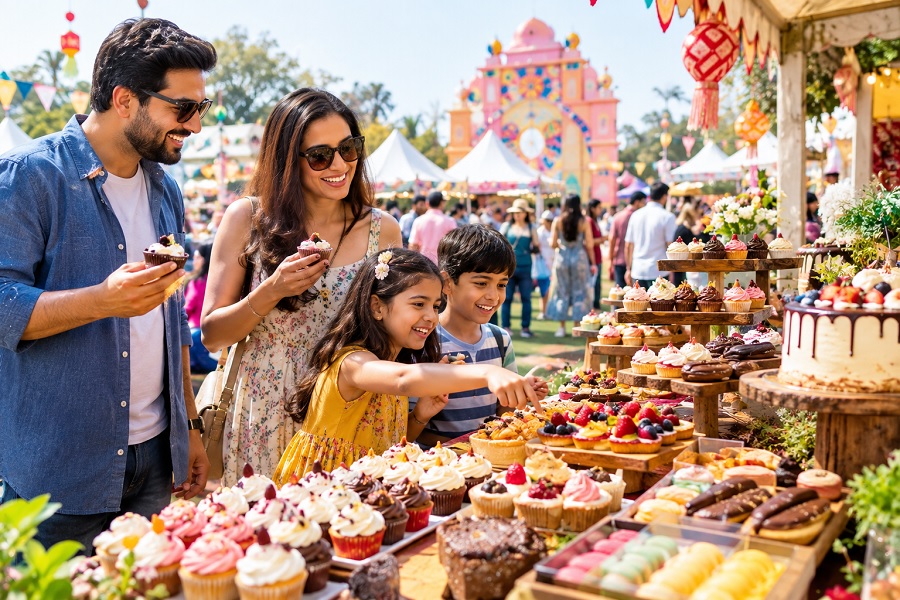
To fully embrace food tourism, travelers are encouraged to research regional specialties, seek authentic eateries, and remain open to new tastes. Joining local food tours or festivals can offer insider access and unforgettable encounters.