Food and Beverage Tourism: A Delicious Journey into Culture and Flavor

What Is Food and Beverage Tourism?
Food and beverage tourism focuses on exploring destinations through their culinary offerings—local dishes, beverages, cooking methods, and food-related traditions. It includes activities such as food tastings, visiting markets, cooking classes, vineyard tours, brewery visits, and dining at renowned restaurants. This form of tourism celebrates gastronomy as a vital part of cultural identity.
Why Food and Beverage Tourism Is Popular
People’s interest in food has evolved beyond everyday meals to an appreciation for authentic and unique gastronomic experiences. Food connects us to place, people, and stories. Travelers seek experiences that engage all senses, offering enjoyment, education, and cultural exchange.
Reasons for its rising popularity:
Desire for authentic and local experiences
Growing awareness of global cuisines
Interest in sustainable, organic, and farm-to-table dining
Influence of food media, cooking shows, and celebrity chefs
Social media sharing of food journeys
Popular Food and Beverage Tourism Experiences
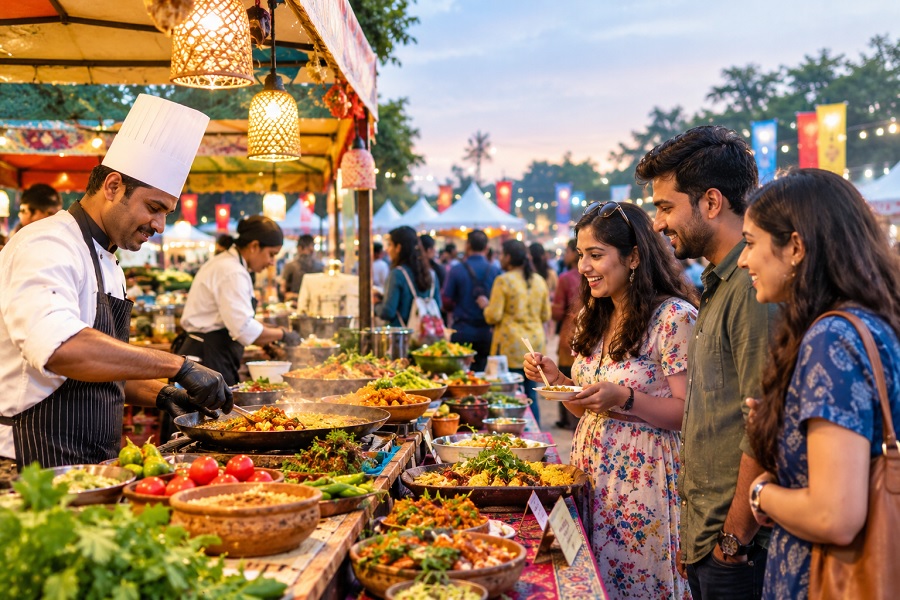
1. Food Festivals and Street Food Tours
Events celebrating local specialties, seasonal produce, and traditional recipes bring communities together and attract tourists keen on tasting diverse flavors.
2. Wine, Beer, and Spirits Tours
Visiting vineyards, breweries, distilleries, and participating in tastings helps travelers appreciate craftsmanship and regional specialties.
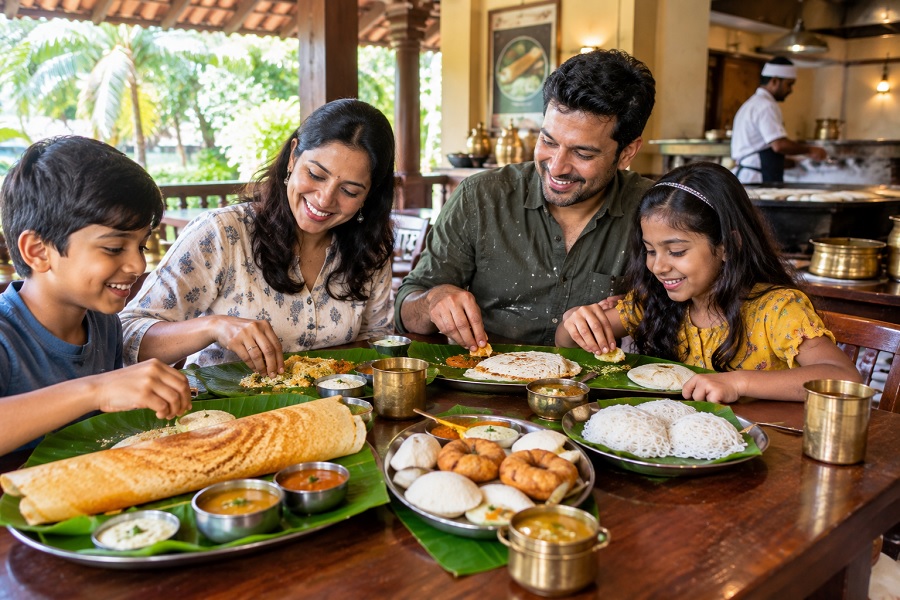
3. Cooking Classes and Workshops
Hands-on experiences allow tourists to learn recipes and cooking techniques directly from local chefs and home cooks.
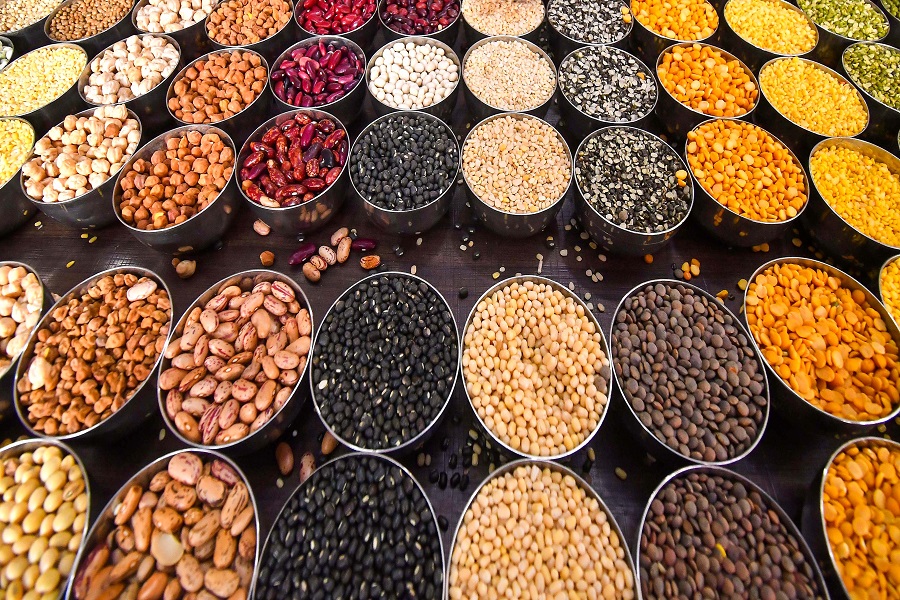
4. Farmers’ Markets and Food Trails
Exploring markets and food trails offers insight into local agriculture, fresh produce, and indigenous ingredients.
Benefits of Food and Beverage Tourism
Promotes cultural understanding and appreciation
Supports local farmers, artisans, and small businesses
Encourages sustainable and responsible food practices
Enhances travel experiences through sensory engagement
Creates opportunities for culinary innovation and entrepreneurship
Tips for Enjoying Food and Beverage Tourism
Be open to trying new and unfamiliar foods
Research local dining customs and etiquette
Support small, family-run eateries and vendors
Participate in authentic food experiences, not just tourist hotspots
Respect local ingredients and sustainable practices
The Future of Food and Beverage Tourism
With increasing focus on sustainability and health, food tourism is evolving to include eco-friendly dining, plant-based cuisines, and food heritage preservation. Technology and virtual experiences are also expanding access to culinary culture, allowing travelers to engage with food stories before and after their trips.
Conclusion
Food and beverage tourism invites travelers to taste the soul of a destination. Through food, we connect with history, geography, culture, and community. Whether savoring street food, exploring vineyards, or cooking traditional meals, culinary tourism transforms travel into a delicious and unforgettable adventure that nourishes body and spirit alike.