Food and Beverage Tourism: A Delicious Way to Explore the World

What Is Food and Beverage Tourism?
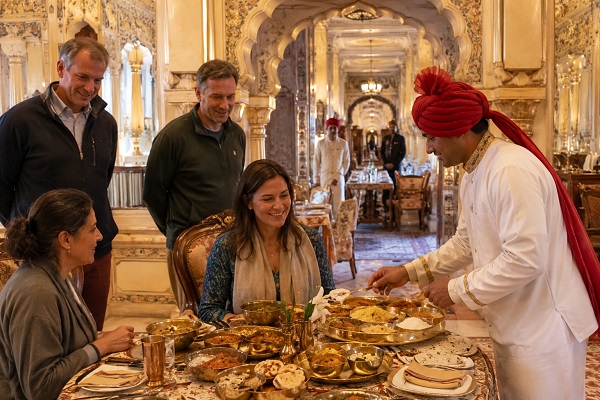
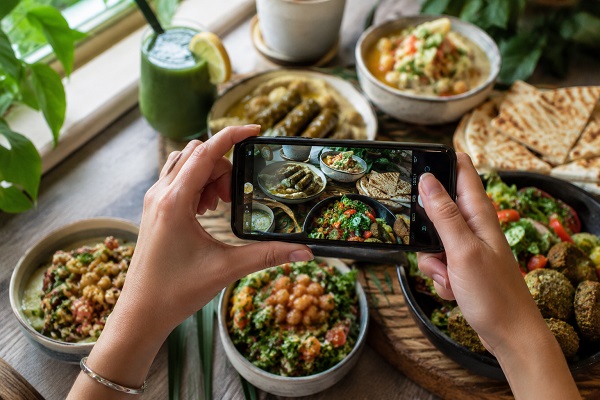
Food and Beverage Tourism involves traveling to a destination primarily to enjoy its local cuisine and drinks. This can include tasting traditional dishes, visiting food markets, attending food festivals, touring vineyards, breweries or distilleries, participating in cooking classes, and experiencing farm-to-table dining. It goes beyond eating for pleasure—it’s about understanding a region’s culture through what and how people eat and drink.
Why Food and Beverage Tourism Matters
Cuisine is deeply connected to history, geography, and tradition. Food tourism helps preserve culinary heritage and supports local farmers, chefs, and small businesses. It also enhances cultural exchange, as travelers learn the stories behind recipes, ingredients, and cooking techniques. For many destinations, food and beverage tourism has become a major economic driver, attracting visitors from around the world.
Popular Forms of Food and Beverage Tourism
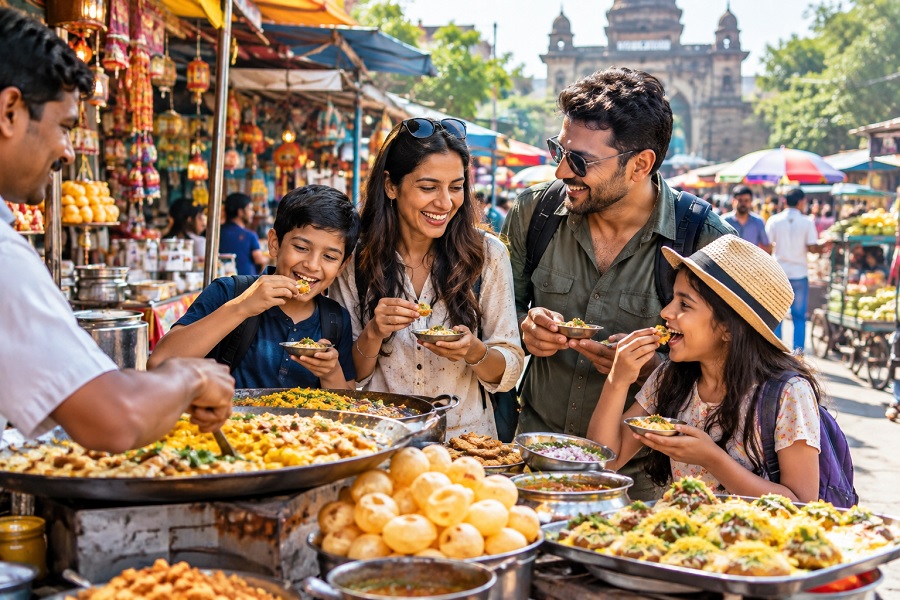
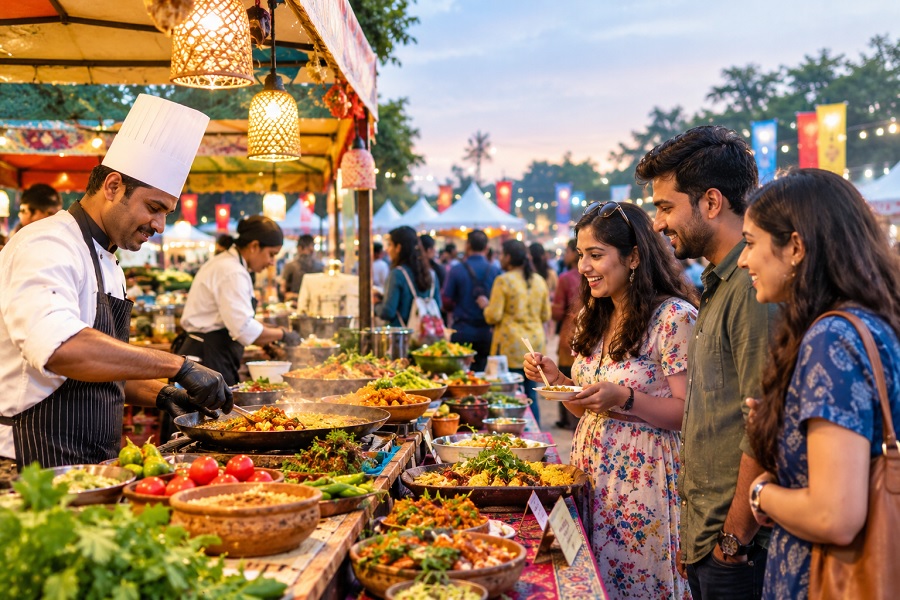
Street Food Tourism: Exploring local street food scenes, which often showcase authentic and affordable flavors.
Culinary Trails: Following food routes such as wine trails, spice routes, or dessert tours.
Food Festivals: Attending events that celebrate regional cuisine, seasonal produce, or traditional cooking.
Beverage Tourism: Visiting vineyards, tea plantations, coffee estates, breweries, and distilleries.
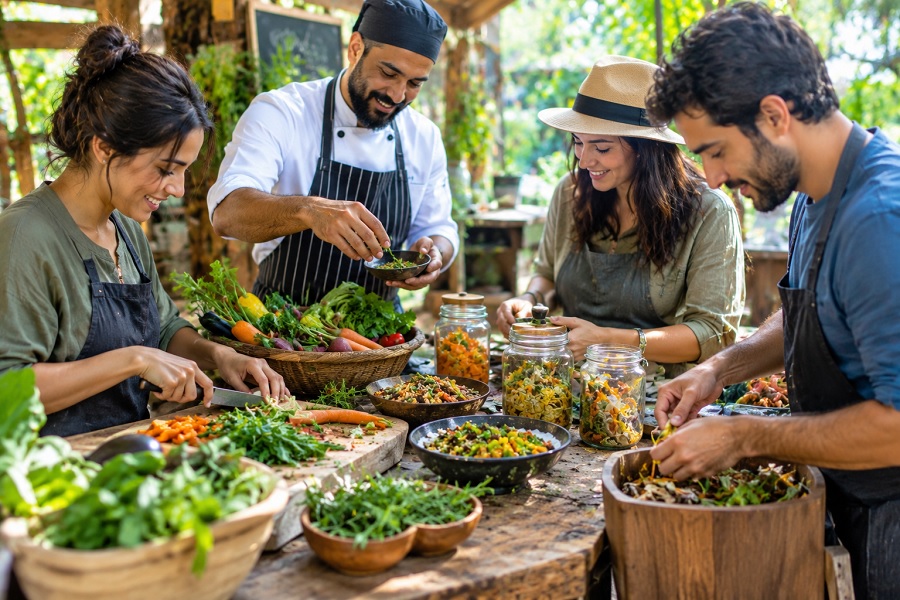
Cooking Experiences: Learning local recipes through cooking classes or home-dining experiences.
Top Destinations for Food and Beverage Tourism
Italy: Known for pasta, pizza, cheese, olive oil, and world-class wines.
France: Famous for fine dining, pastries, cheese, and wine culture.
Thailand: Loved for its balance of sweet, sour, salty, and spicy flavors.
Japan: Renowned for sushi, ramen, sake, and precision-driven cuisine.
India: Celebrated for its diverse regional cuisines, spices, and traditional beverages.
Tips for Enjoying Food and Beverage Tourism
Eat where locals eat to discover authentic flavors.
Be open to trying new ingredients and dishes.
Learn basic food etiquette of the destination.
Support local vendors and sustainable food practices.
Ask about the origin of dishes to better understand the culture.
Conclusion
Food and Beverage Tourism transforms travel into a sensory journey filled with taste, tradition, and storytelling. It allows travelers to connect deeply with destinations by experiencing local life through cuisine. Whether savoring street food, sipping regional wines, or learning age-old recipes, food tourism offers unforgettable memories—one bite and one sip at a time.