Food and Beverage Tourism: A Journey of Taste and Culture

What Is Food and Beverage Tourism?
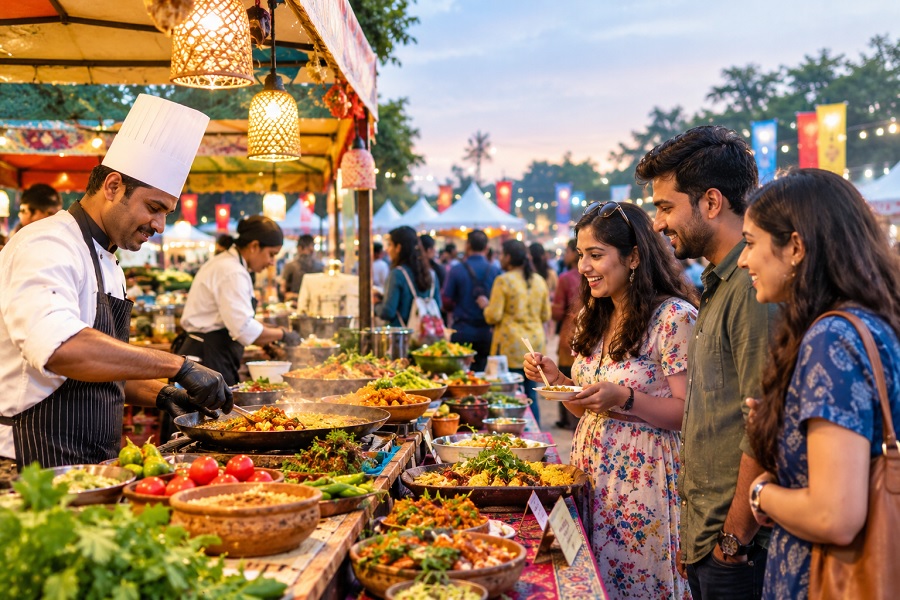
Food and beverage tourism involves traveling specifically to sample local foods, beverages, and culinary experiences. This can include visiting food markets, attending cooking classes, participating in wine or craft beer tours, enjoying street food, dining in traditional restaurants, or exploring food festivals and fairs.
Why Food and Beverage Tourism Is Growing Rapidly
As global palates expand and travelers seek more authentic experiences, food and beverage tourism is booming. People want to:
Taste local flavors and unique dishes
Learn about traditional cooking techniques
Meet chefs, farmers, and producers
Experience cultural rituals around food and drink
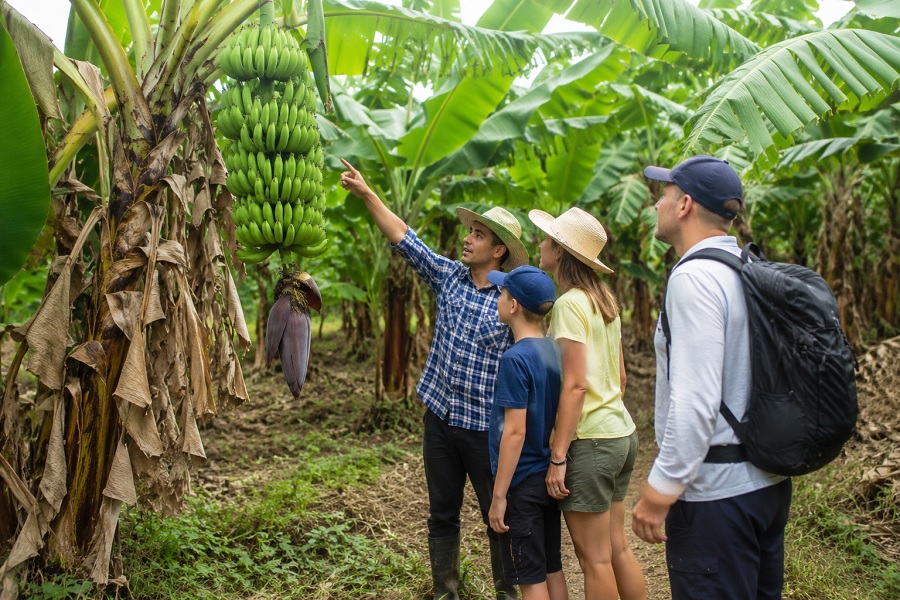
Discover sustainable and artisanal food practices
This form of tourism is also a way to support local economies and preserve culinary heritage.
Popular Food and Beverage Tourism Destinations
Certain regions are renowned for their rich culinary traditions:
Italy: From pizza in Naples to wines in Tuscany and pasta in Rome
Japan: Sushi, ramen, sake, and street food in cities like Tokyo and Kyoto
France: Gourmet dining, cheese, wine, and patisseries across Paris and Provence
Mexico: Tacos, mezcal, mole sauces, and vibrant street food culture
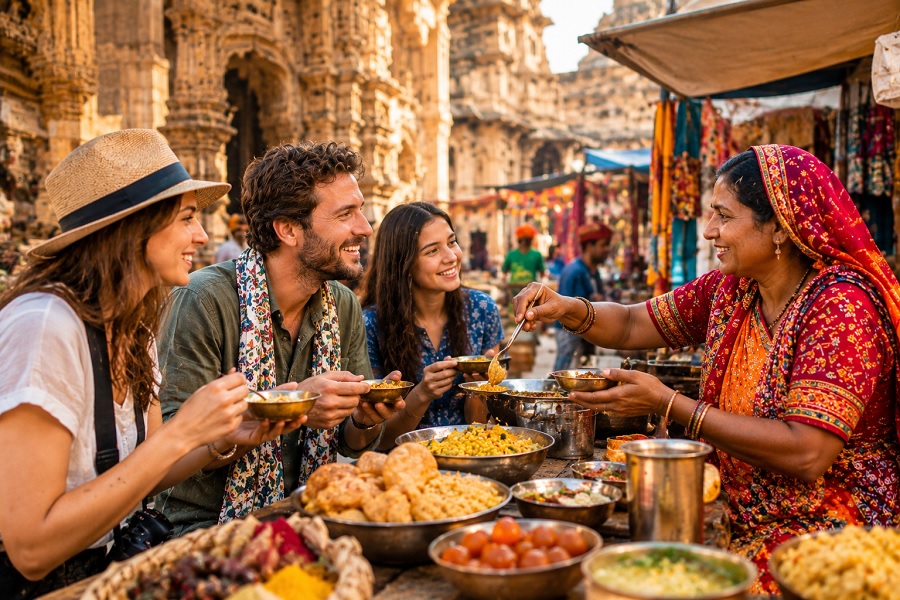
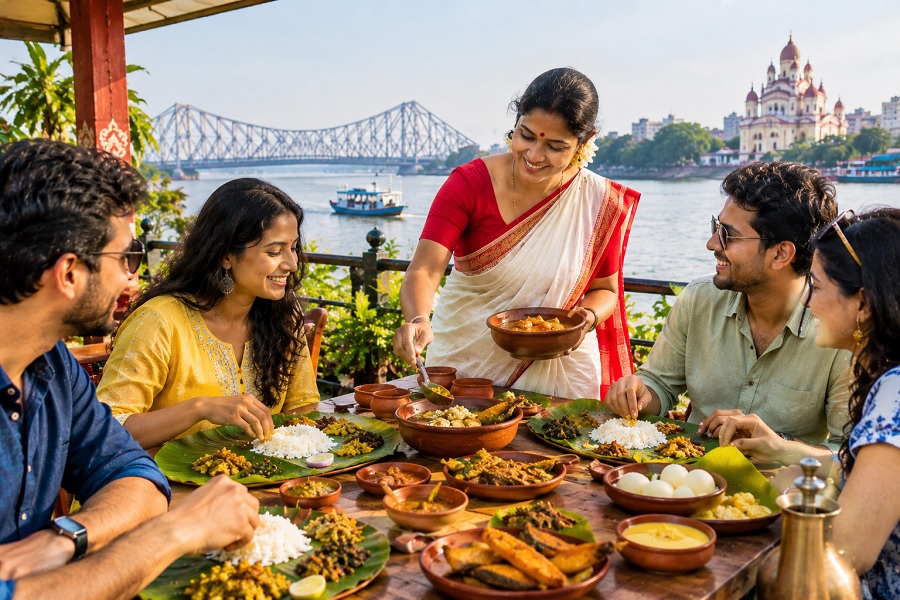
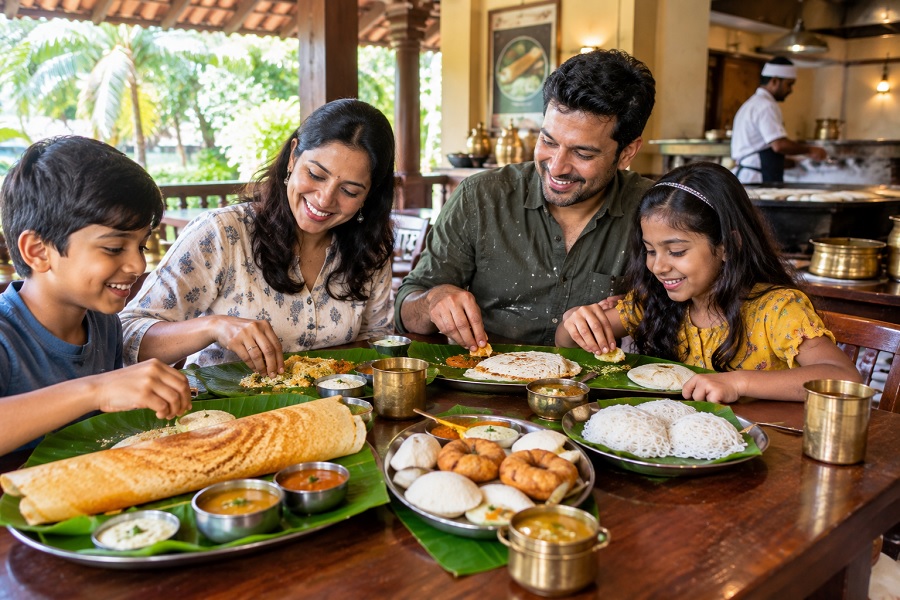
India: Diverse regional cuisines with spices, sweets, and chai rituals
Each destination offers a distinct sensory journey.
Experiences That Define Food and Beverage Tourism
Food and beverage tourists enjoy a variety of activities, such as:
Food walking tours through historic neighborhoods
Hands-on cooking classes with local chefs
Visits to vineyards, breweries, and distilleries
Sampling street foods and local snacks
Attending food and drink festivals celebrating seasonal or cultural specialties
These experiences deepen the connection to the place and its people.
The Cultural Significance of Culinary Travel
Food is a gateway to understanding culture, history, and social traditions. Many traditional dishes tell stories of migration, agriculture, religion, and family heritage. Food and beverage tourism lets travelers taste those stories and appreciate the diversity of human creativity.
Sustainability and Ethical Eating in Culinary Tourism
More travelers are prioritizing sustainable and ethical food choices—supporting farm-to-table restaurants, organic producers, and fair-trade products. This movement promotes environmental care and community empowerment, making food tourism a force for positive change.
Conclusion
Food and beverage tourism is a delicious way to travel mindfully. It transforms meals into adventures and brings people closer through shared tastes and stories. Whether savoring a street taco or sipping rare wine, culinary travel invites exploration, learning, and joy—one bite at a time.