Traditional Cuisines That Define a Destination
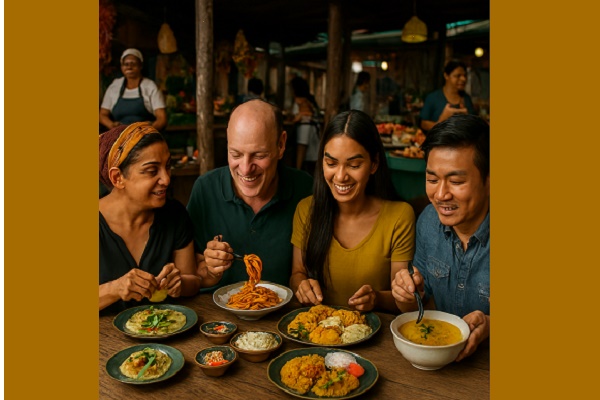
When we travel, we don’t just explore places—we taste them. Traditional cuisine is one of the strongest cultural identities of any destination, telling stories of history, geography, climate, and community through flavors. From age-old recipes passed down through generations to locally sourced ingredients shaped by the land, food becomes a living heritage that defines a place.
Every destination has signature dishes that instantly evoke its essence. Think of Italy and handmade pasta, Japan and sushi, India and its diverse regional curries, or Mexico and its vibrant corn-based dishes. These foods are not merely meals; they are cultural expressions shaped by centuries of tradition, migration, and local customs.
Traditional cuisines also reflect the lifestyle of the people. Coastal regions often celebrate seafood cooked with simple, fresh techniques, while mountainous areas rely on hearty, warming dishes made from grains, dairy, and preserved foods. Spices, cooking methods, and even dining etiquette reveal how communities adapted to their environment and celebrated togetherness.
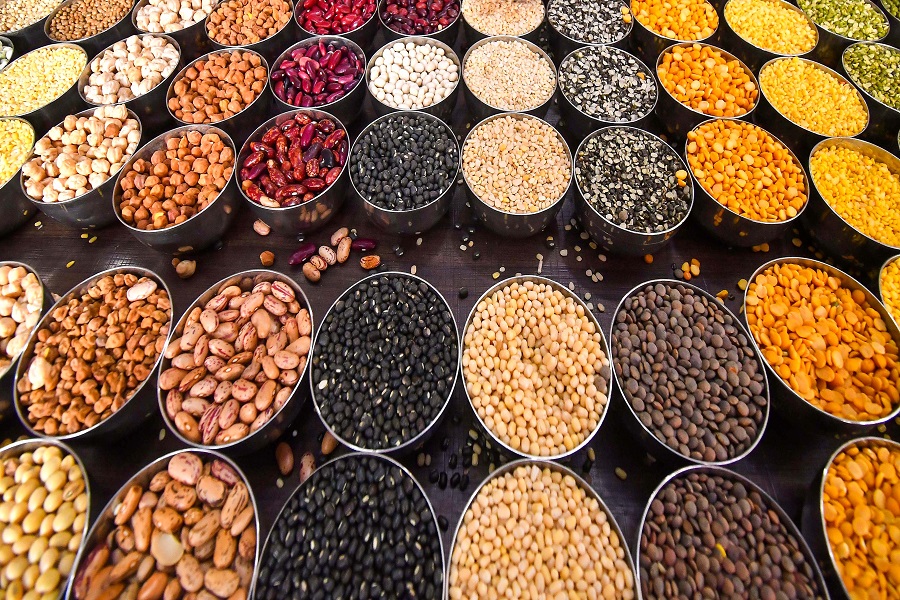
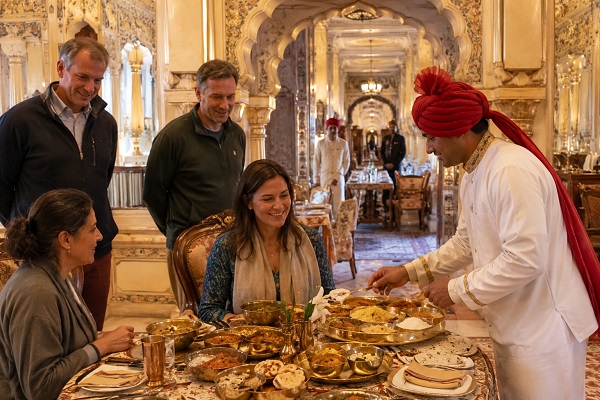
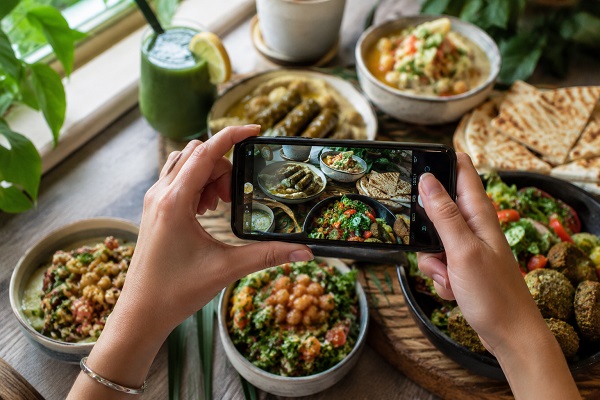
For travelers, experiencing local cuisine offers a deeper connection than sightseeing alone. Visiting street food stalls, family-run eateries, or local markets allows visitors to engage directly with authentic flavors and stories. Food festivals, regional thalis, and traditional cooking demonstrations further showcase how cuisine preserves cultural identity while welcoming the world.
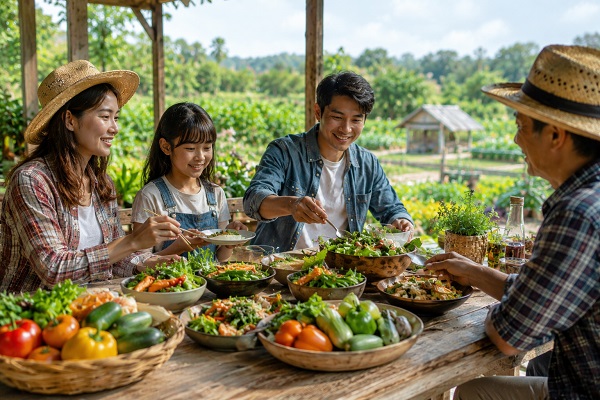
In an era of globalization, traditional cuisines play a vital role in maintaining uniqueness. They help destinations stand out, promote sustainable tourism, and support local farmers, artisans, and small businesses. Protecting and celebrating these culinary traditions ensures that future generations can continue to experience the soul of a destination—one bite at a time.