Journey to the Plate: How Food Defines Travel Experiences
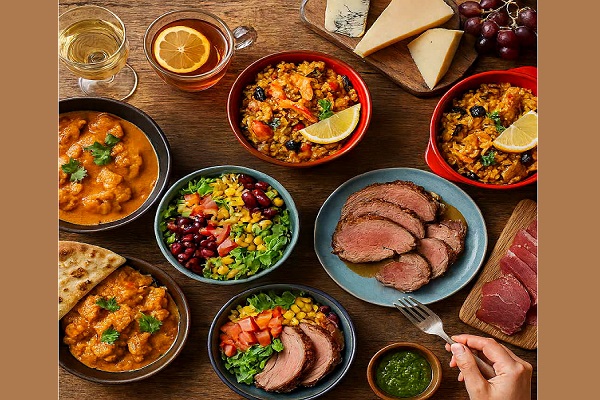
Food has always been a universal language—one that connects people, cultures, and experiences. Today, it has become a driving force behind travel decisions, giving rise to one of the fastest-growing travel segments: Food & Beverage Tourism. Whether it’s savoring authentic street food in Bangkok, exploring vineyards in Italy, or attending a tea-tasting ceremony in Japan, travellers are choosing destinations with their tastebuds.
Food tourism is no longer just about eating; it’s about experiencing the story behind every dish, ingredient, and beverage.
1. What Is Food & Beverage Tourism?
Food & Beverage Tourism refers to traveling specifically to experience a region’s culinary heritage, local flavors, and beverage culture. It includes everything from food festivals, cooking classes, and wine tours to iconic restaurants, farms, breweries, and traditional kitchens.
It is a journey where culture is tasted, not just seen.
2. Why Food Tourism Is Booming
Modern travellers want more than sightseeing—they want experiences that awaken their senses. Food tourism offers:
Authenticity
People seek real, traditional flavors that represent a destination’s identity.
Cultural Immersion
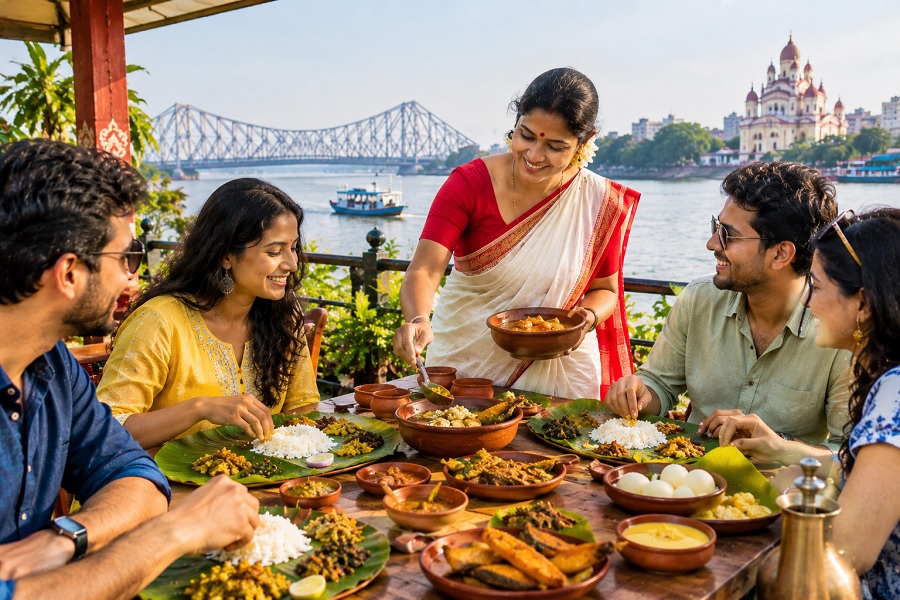
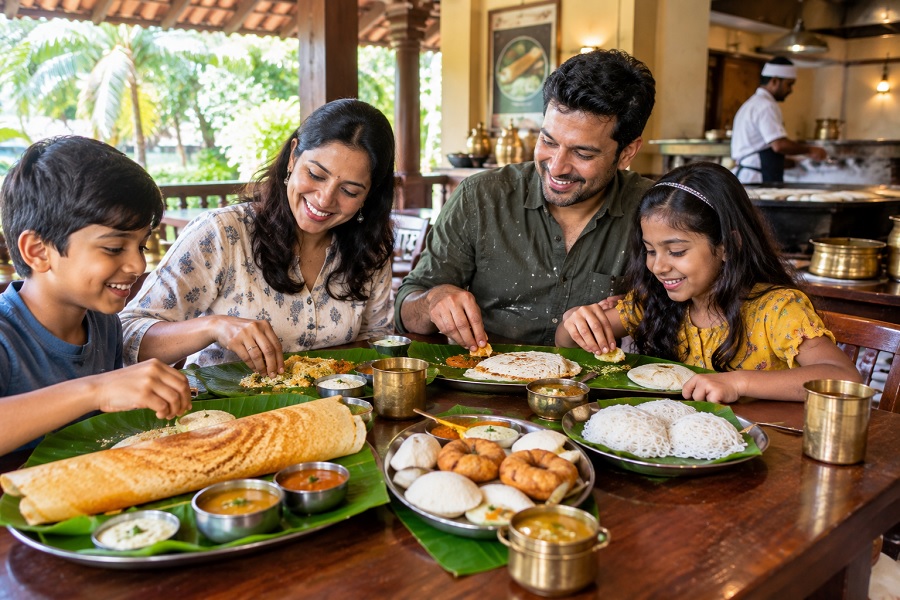
Cuisine tells a story of history, geography, and lifestyle.
Memorable Experiences
Hands-on cooking, tasting sessions, and street-food adventures create unforgettable memories.
Connection With Locals
Food bridges cultures, forming meaningful human connections.
3. Popular Food & Beverage Tourism Trends
a) Street Food Trails
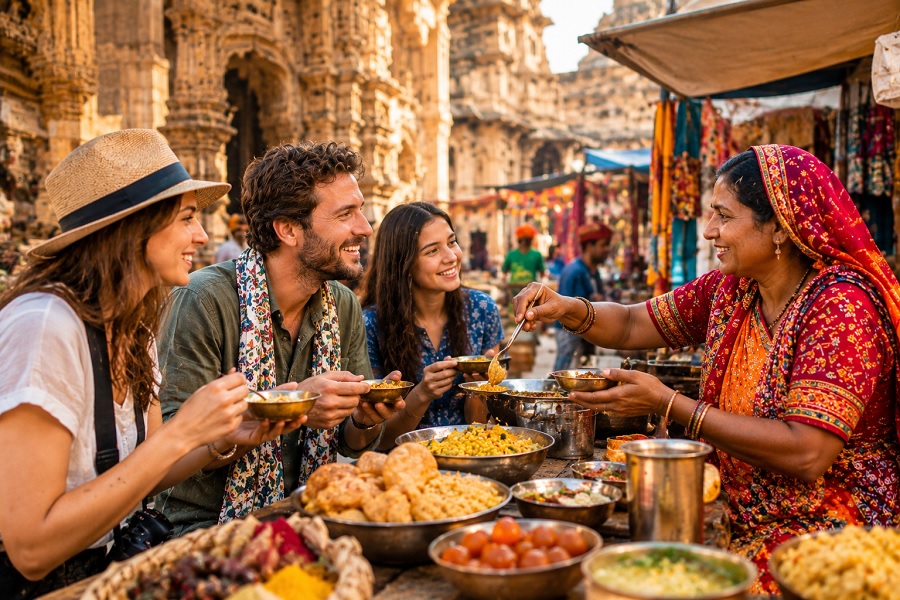
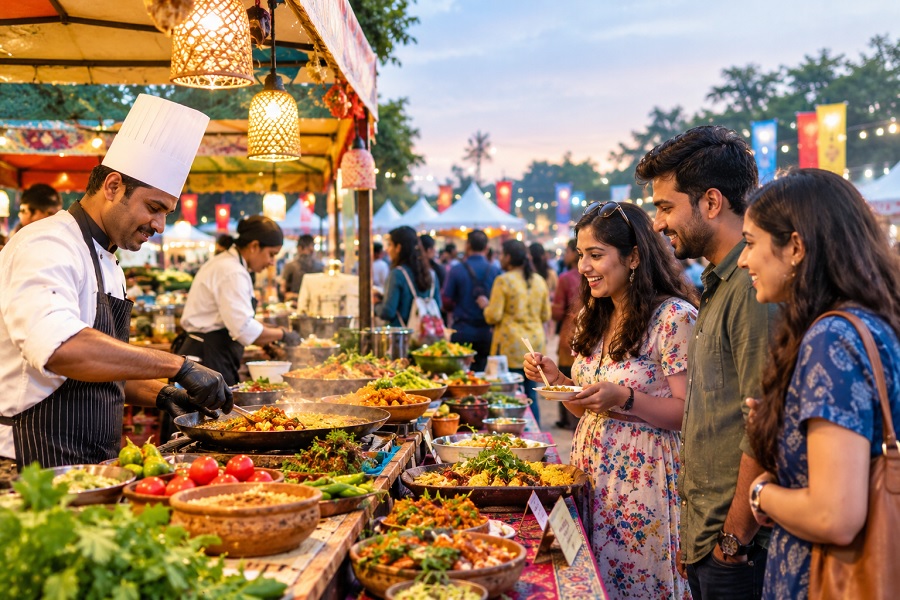
Cities like Bangkok, Delhi, Mexico City, and Istanbul attract travellers with vibrant street food culture—quick, flavorful, affordable, and authentic.
b) Farm-to-Table Experiences
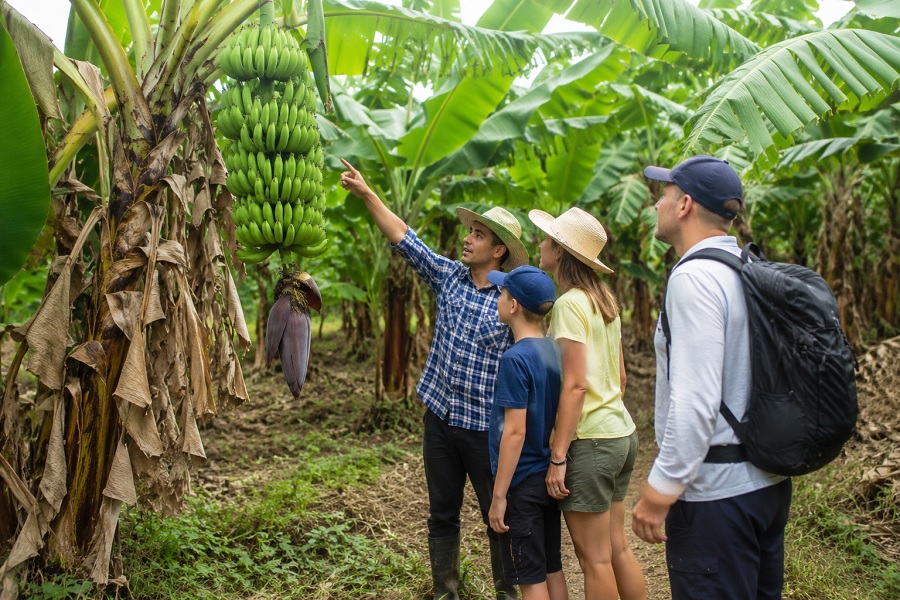
Travellers visit farms, orchards, and vineyards to see how fresh ingredients are grown and transformed into meals.
c) Wine, Beer & Brewery Tours
Wine regions like Tuscany, Napa Valley, and Bordeaux are major attractions for tasting tours. Craft breweries and tea estates are also rising in popularity.
d) Cooking Classes & Culinary Workshops
From making sushi in Japan to rolling pasta in Italy, cooking holidays let travellers learn and take home culinary skills.
e) Food Festivals
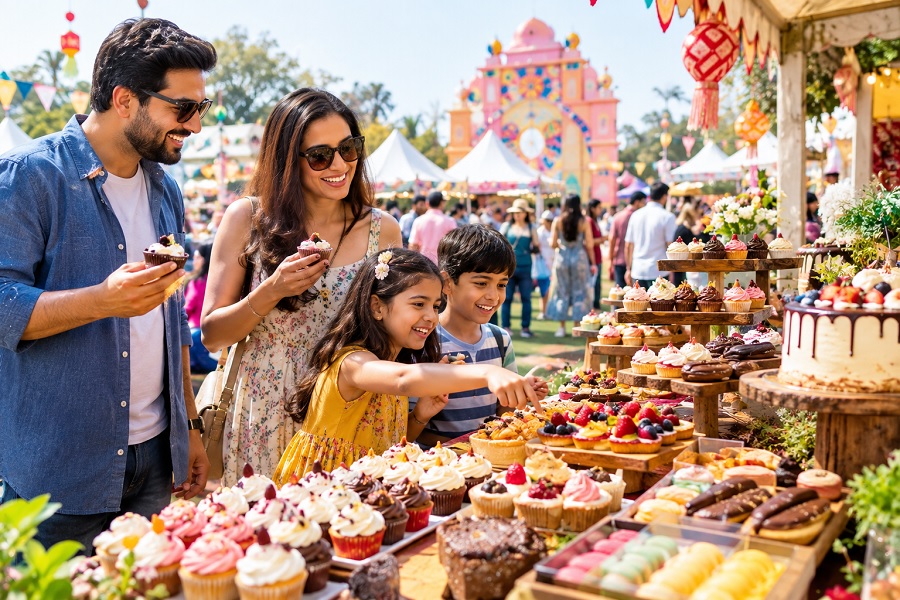
Events like Oktoberfest, Singapore Food Festival, and Spain’s La Tomatina attract global crowds seeking immersive food fun.
4. The Economic Impact
Food & beverage tourism supports:
Local farmers
Small restaurants