Beyond Sightseeing: Experiencing Culture Through Food and Drink
What is Food and Beverage Tourism?
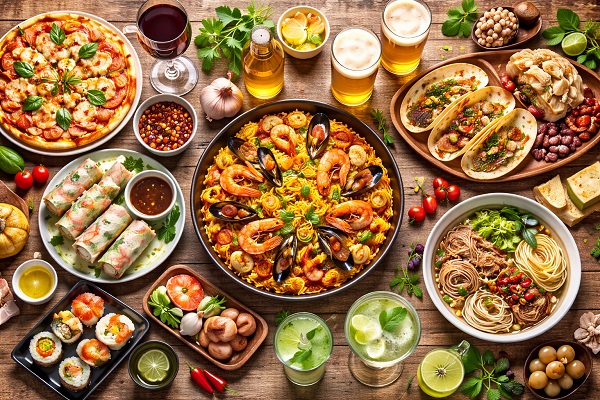
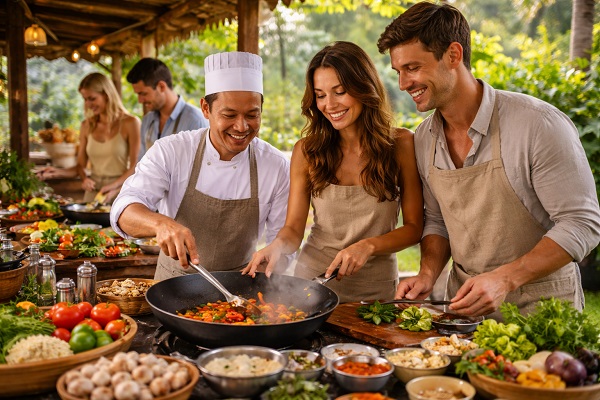
Food and beverage tourism involves travelling with the primary purpose of experiencing local cuisines and drinks. This can range from sampling iconic dishes and regional specialties to participating in cooking classes, wine tastings, brewery tours, and food festivals. The goal is to connect with the destination’s cultural identity through its flavors.
Why Food Tourism Matters
Food is intrinsic to culture—it tells stories of geography, climate, history, and trade. By indulging in local flavors, travellers gain a deeper appreciation for the people and their way of life. Unlike traditional sightseeing, food tourism is immersive and engaging, appealing to all senses.
Moreover, food tourism supports local economies by promoting small-scale producers, farmers, artisans, and restaurateurs. It encourages sustainable and responsible tourism, especially when travellers seek out authentic, locally sourced food experiences.
Popular Food Tourism Destinations
Certain destinations have gained fame worldwide for their culinary offerings:
Italy: Celebrated for its regional pasta varieties, cheeses, wines, and coffee culture. Cities like Bologna, Naples, and Florence offer rich food traditions.
Japan: Known for sushi, ramen, street food markets, and tea ceremonies, blending modernity with ancient culinary arts.
Mexico: Renowned for vibrant street foods, mole sauces, and tequila distilleries, reflecting Indigenous and colonial influences.
India: A diverse culinary tapestry from spicy curries and biryanis to sweets like jalebi and kulfi, with rich regional variations.
France: The birthplace of haute cuisine, with iconic pastries, cheeses, and wines, particularly in Paris and Provence.
Trends Shaping Food and Beverage Tourism
Farm-to-Table and Sustainability: Travellers increasingly prefer restaurants and tours that emphasize organic, locally sourced ingredients and eco-friendly practices.
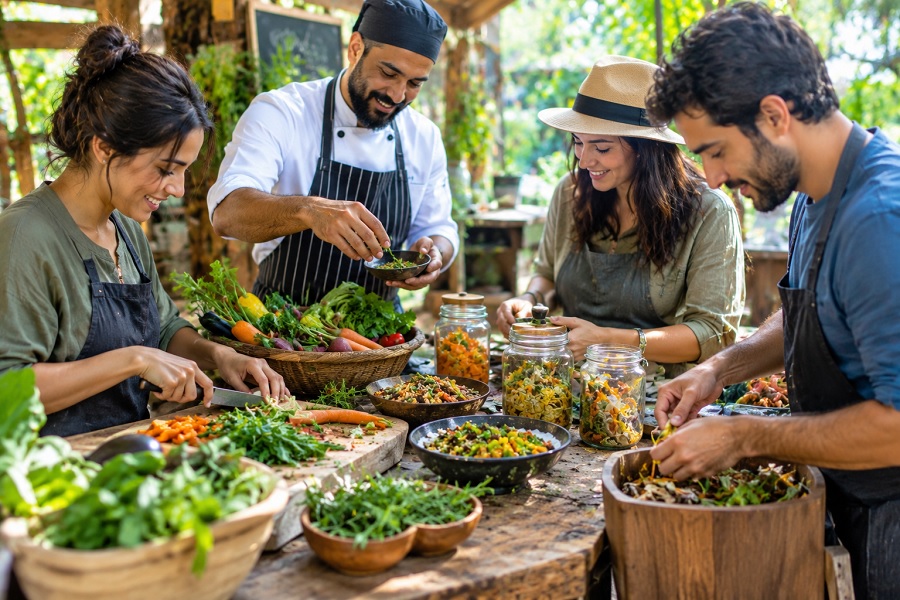
Culinary Workshops and Experiences: Hands-on cooking classes, foraging tours, and market visits allow tourists to learn and participate actively.
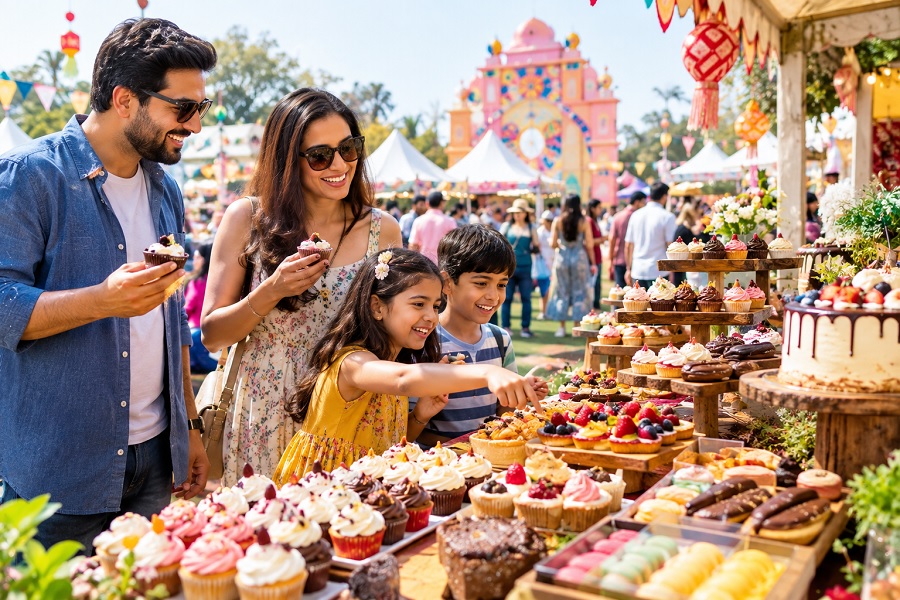
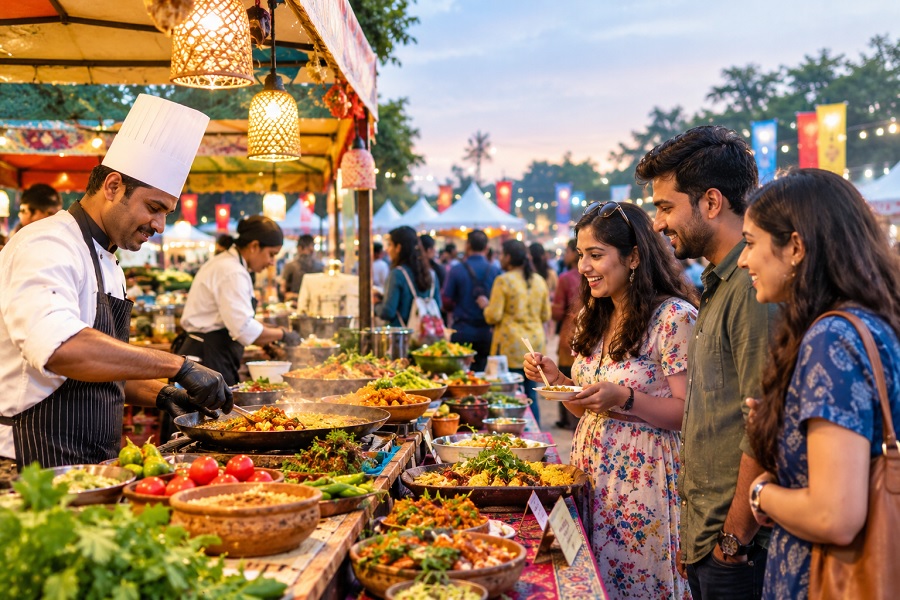
Food Festivals: Events like the Melbourne Food and Wine Festival, Taste of London, and Jaipur Literature Festival’s food segments attract global audiences.
Beverage Tourism: Wine regions, craft breweries, coffee plantations, and distilleries offer specialized tours and tastings, broadening the culinary travel scope.
How to Make the Most of Food Tourism
Research Local Specialties: Identify must-try dishes and drinks unique to the region.
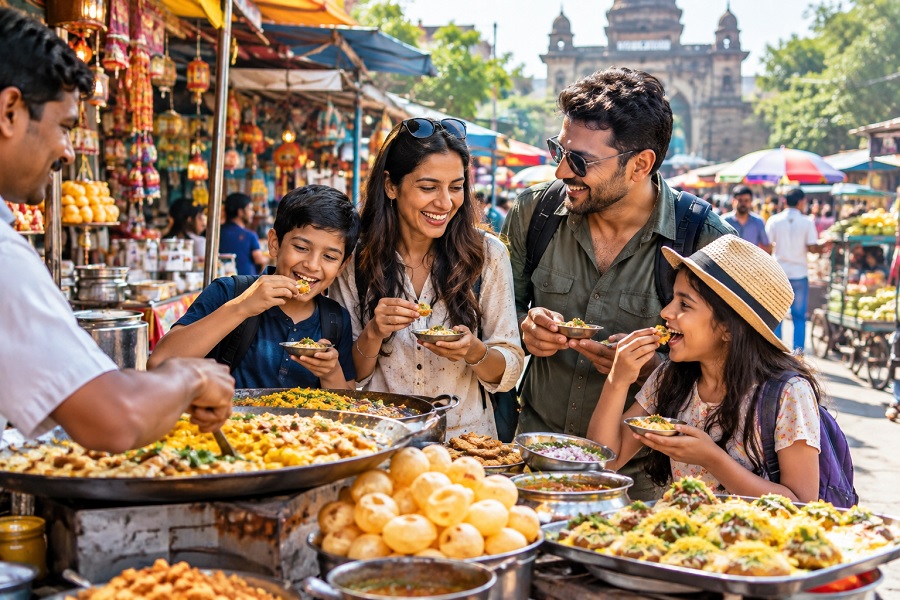
Explore Beyond Tourist Spots: Venture into local markets, street food stalls, and neighborhood eateries for authentic flavors.
Engage with Locals: Food stories and traditions often come alive through conversations with chefs, vendors, and residents.
Attend Food Tours: Guided culinary walks or tasting tours can provide valuable context and introductions.
Be Adventurous: Trying new and unfamiliar foods can be one of the most rewarding parts of travel.
Food Tourism and Cultural Preservation
By spotlighting traditional cuisines, food tourism helps preserve culinary heritage that might otherwise fade under globalization’s influence. It encourages communities to maintain their food customs, use indigenous ingredients, and pass down recipes through generations.
Conclusion
Food and beverage tourism is more than just eating well—it’s about connection, discovery, and celebration. For the modern traveller, the best journeys are those that satisfy both the palate and the soul. Whether you’re sipping wine in a vineyard, savoring street tacos, or learning to make pasta from a local Nonna, food tourism turns every meal into a memorable adventure.