Food and Beverage Tourism: Tasting Culture Around the World

Food and Beverage Tourism, often called culinary tourism, has become one of the most popular and immersive ways to experience a destination. This unique form of travel allows visitors to explore local culture, history, and traditions through the lens of food and drink, creating unforgettable memories that engage all the senses.
What is Food and Beverage Tourism?
Food and Beverage Tourism is travel that focuses on tasting, learning about, and celebrating the local cuisine and beverages of a particular place. It involves visiting markets, street food stalls, restaurants, breweries, wineries, distilleries, and participating in cooking classes or food festivals. The goal is not just to eat but to understand the stories and traditions behind each dish and drink.
Why Food and Beverage Tourism is Gaining Popularity
Cultural Connection
Food is a gateway to culture. Through local ingredients, recipes, and dining customs, travelers gain insight into the identity and heritage of a place.
Authentic Experiences
Travelers today seek authentic and off-the-beaten-path experiences. Food tours and culinary adventures provide real connections with locals and their way of life.
Social Media Influence
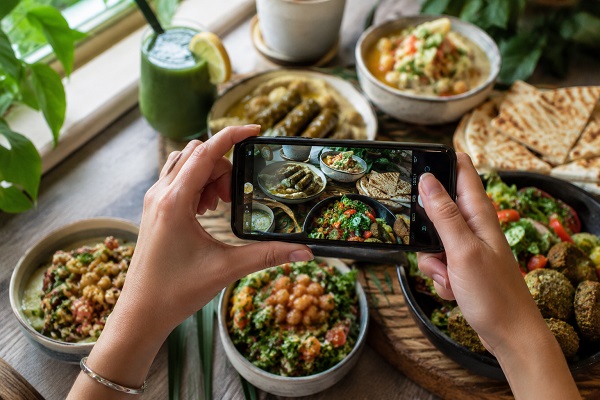
The rise of food blogging and Instagram has made culinary tourism a major trend, with food photos inspiring millions to explore new tastes worldwide.
Economic Impact
Culinary tourism supports local farmers, artisans, chefs, and businesses, promoting sustainable economic growth in destinations.
Popular Food and Beverage Tourism Experiences
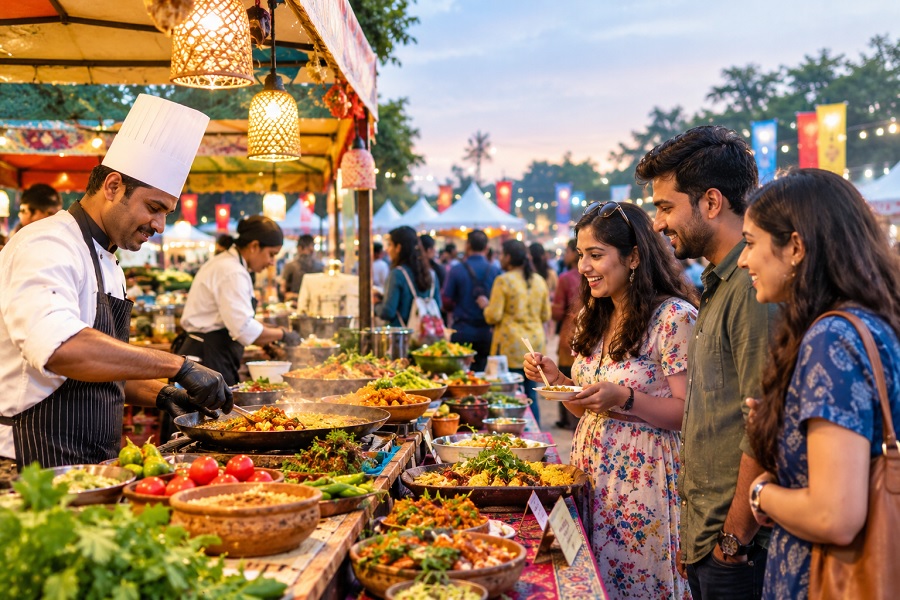
Street food tours in cities like Bangkok, Mumbai, and Mexico City
Wine tasting and vineyard tours in regions like Napa Valley, Bordeaux, and Tuscany
Craft beer trails exploring microbreweries in cities like Portland and Amsterdam
Traditional cooking classes where travelers learn to make local dishes
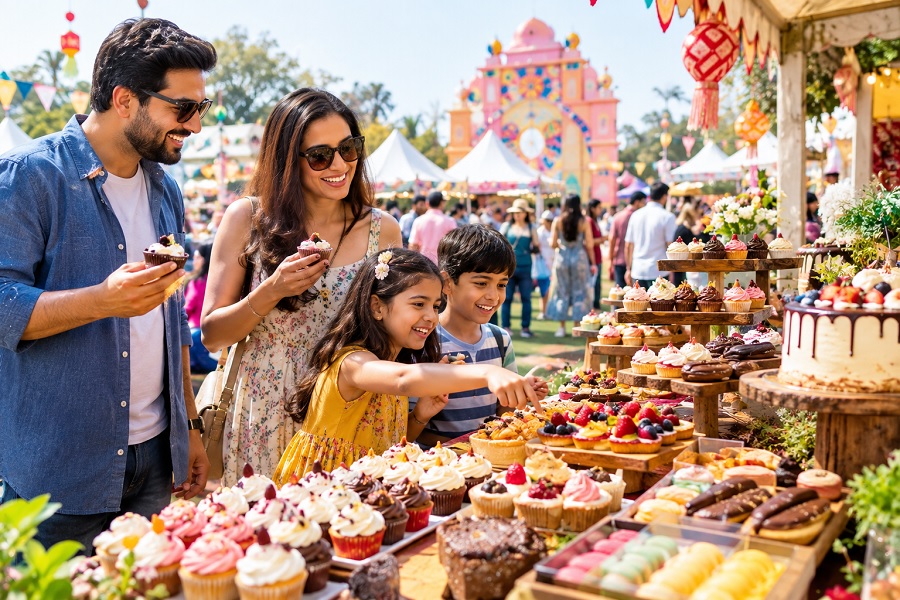
Food festivals celebrating regional specialties and seasonal harvests
India’s Vibrant Food and Beverage Tourism Scene
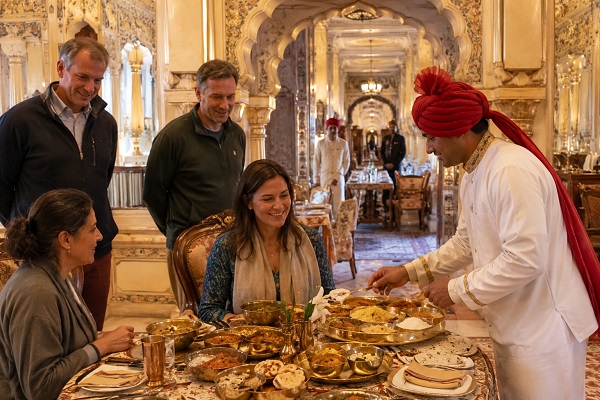
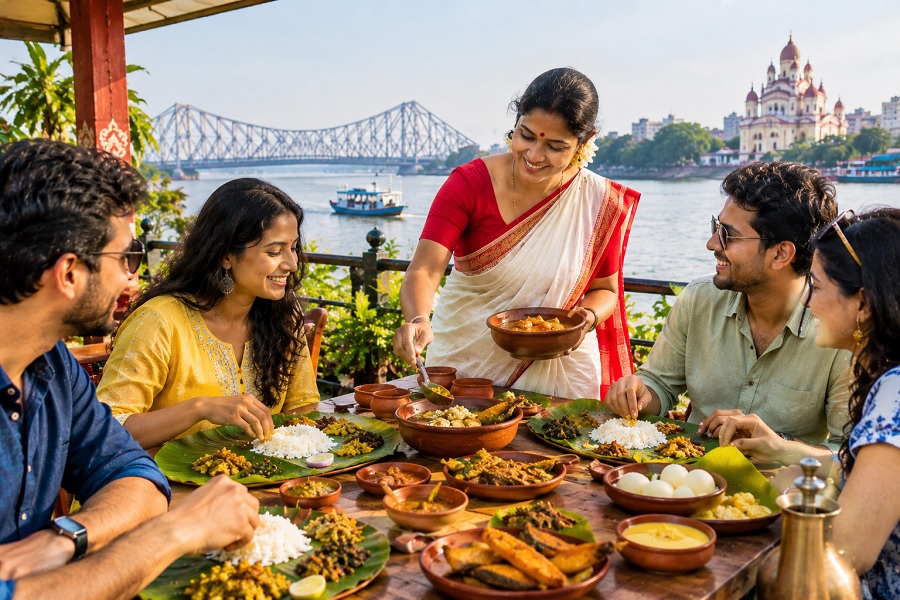
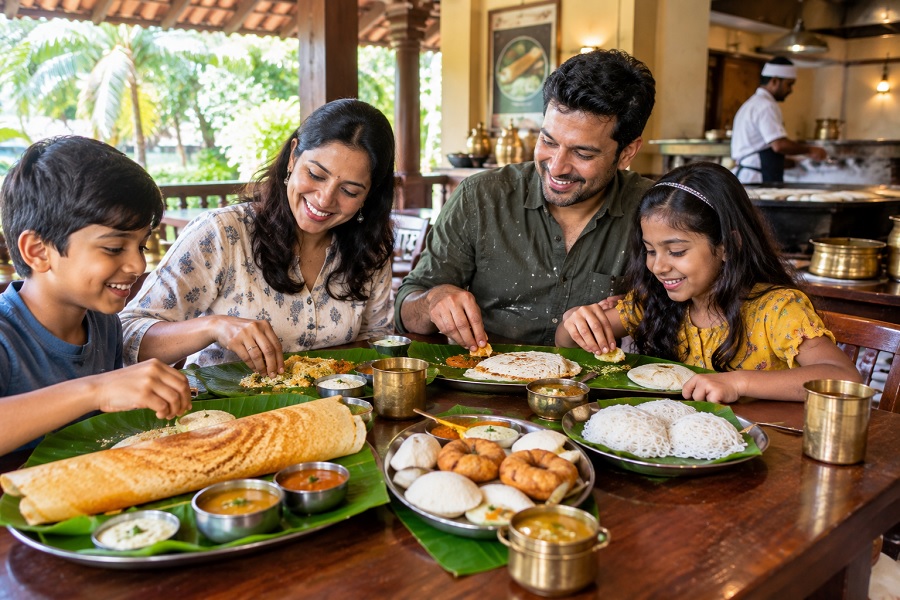
India’s culinary landscape is as diverse as its culture, offering a rich tapestry of flavors from spicy street snacks to royal Mughlai dishes. Regions like Punjab, Kerala, Rajasthan, and West Bengal provide distinct gastronomic experiences, complemented by tea trails in Assam and Darjeeling and vibrant street food in Delhi and Kolkata.
The Future of Food and Beverage Tourism
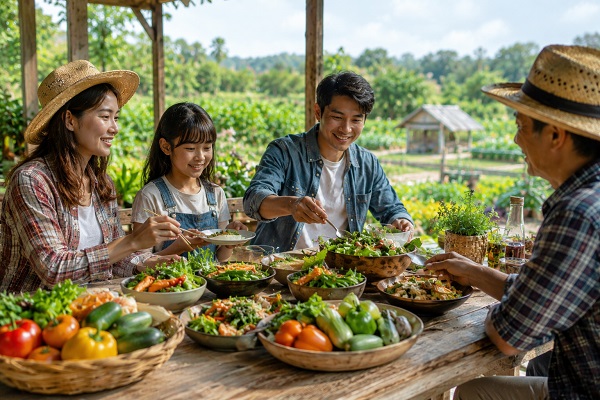
Sustainability and health-consciousness are shaping the future of culinary travel. More travelers are interested in organic, farm-to-table, and plant-based options. Technology is enhancing the experience with virtual tastings and digital food maps, making culinary exploration more accessible.
Conclusion
Food and Beverage Tourism is more than just eating—it’s about celebrating culture, connecting communities, and creating shared experiences. Whether savoring street food or fine dining, culinary tourism invites travelers to taste the world’s stories, one bite at a time.