The Impact of Cultural Tourism on Indigenous Communities: Balancing Preservation and Progress
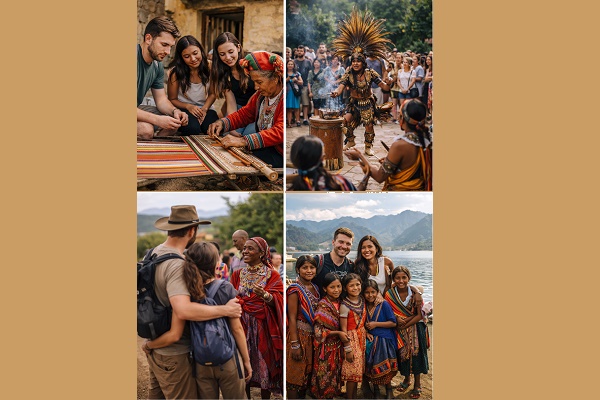
Cultural tourism has grown rapidly in recent years as travelers seek authentic experiences that connect them with the heritage, traditions, and lifestyles of indigenous communities around the world. While cultural tourism offers significant opportunities for economic development and cultural exchange, it also brings challenges that indigenous communities must carefully navigate to protect their identity and way of life.
Economic Benefits and Empowerment
One of the most notable positive impacts of cultural tourism on indigenous communities is economic empowerment. By attracting tourists interested in their crafts, traditions, and rituals, indigenous peoples can generate income, create jobs, and invest in community development. This financial boost often helps fund education, healthcare, and infrastructure projects, contributing to improved living standards.
Preservation and Promotion of Culture
Cultural tourism encourages the preservation of indigenous heritage by showcasing traditional art, music, dance, language, and rituals. It creates a platform for indigenous voices and fosters pride in cultural identity. Many communities have revitalized endangered traditions and crafts due to increased interest from tourists, helping keep their culture alive for future generations.
Risks of Commercialization and Cultural Erosion
Despite the benefits, cultural tourism also presents risks. When indigenous culture is commodified purely for tourist consumption, it can lead to loss of authenticity and cultural erosion. Performances and rituals may be altered or staged to meet tourist expectations, sometimes disrespecting the original meanings and values. The community’s sacred or private cultural elements might become exposed or exploited.
Social and Environmental Challenges
Increased tourist traffic can strain local resources and impact the environment negatively. Indigenous communities may face challenges such as overcrowding, waste management issues, and disruption of traditional lifestyles. Social tensions can arise if tourism development benefits only a few or creates dependency, threatening social cohesion.
Finding Balance: Sustainable and Respectful Tourism
For cultural tourism to truly benefit indigenous communities, it must be sustainable and respectful. This involves community-led tourism initiatives where indigenous peoples have control over how their culture is presented and shared. Tourists should be educated to appreciate and respect the cultural norms and sensitivities of the communities they visit.
Conclusion
Cultural tourism holds the potential to be a powerful tool for indigenous empowerment, cultural preservation, and cross-cultural understanding. However, it requires careful management to ensure that the economic and social benefits do not come at the cost of cultural integrity and environmental sustainability. When balanced correctly, cultural tourism can foster mutual respect and meaningful connections between indigenous communities and travelers worldwide.