Religious Tourism and Its Cultural Significance: A Journey Beyond Faith
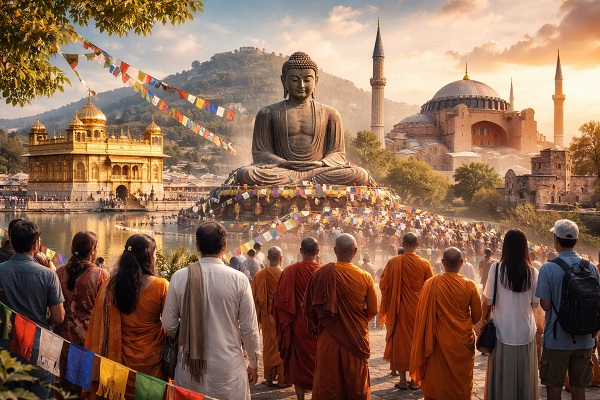
Religious tourism, also known as pilgrimage tourism, is one of the oldest forms of travel, deeply rooted in human history and culture. It involves visiting sacred sites, temples, churches, mosques, shrines, or locations that hold spiritual significance to particular faiths. Beyond the act of devotion, religious tourism serves as a bridge connecting people to their cultural heritage, traditions, and communal identity.
Cultural Preservation Through Pilgrimage
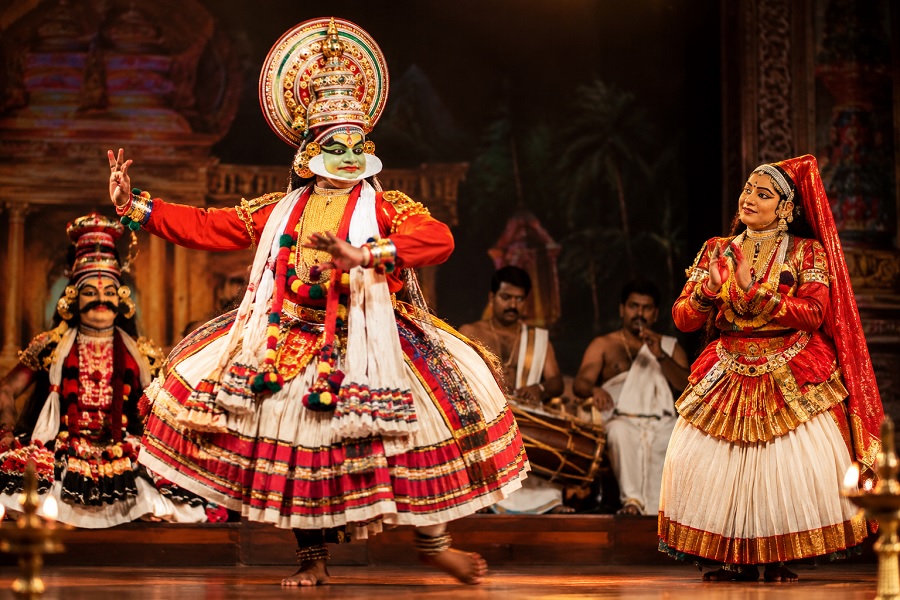
Religious tourism helps preserve ancient rituals, art, music, and architecture, often safeguarded within sacred sites. Pilgrims and visitors engage with local customs, festivals, and ceremonies that might otherwise fade away. These experiences foster respect and awareness of diverse cultural expressions, maintaining continuity between generations.
Economic and Social Impact
Sacred destinations often stimulate local economies by attracting visitors worldwide, creating opportunities for small businesses, artisans, and guides. The influx of pilgrims encourages infrastructure development, which benefits both locals and tourists. Socially, religious tourism nurtures community pride and encourages intercultural dialogue, fostering peace and mutual understanding.
Challenges and Sustainable Practices
While religious tourism can enrich culture and economy, it also brings challenges such as overcrowding, environmental degradation, and commercialization. Sustainable tourism practices are essential to balance the spiritual purpose of pilgrimage with conservation efforts, ensuring that sacred sites remain preserved for future generations.
Conclusion
Religious tourism is more than a journey of faith; it is a powerful cultural phenomenon that preserves history, supports communities, and promotes global harmony. By respecting the spiritual and cultural dimensions of these sacred travels, both pilgrims and tourists can experience profound personal growth while contributing positively to cultural preservation.