Art, Architecture, and History: Pillars of Cultural Tourism

Cultural tourism is more than traveling to new destinations—it is a journey into the soul of civilizations. At the heart of this enriching form of travel lie three powerful pillars: art, architecture, and history. Together, they narrate stories of human creativity, innovation, and heritage, offering travelers meaningful connections with the past while shaping a deeper understanding of the present.
Art: The Creative Expression of Culture
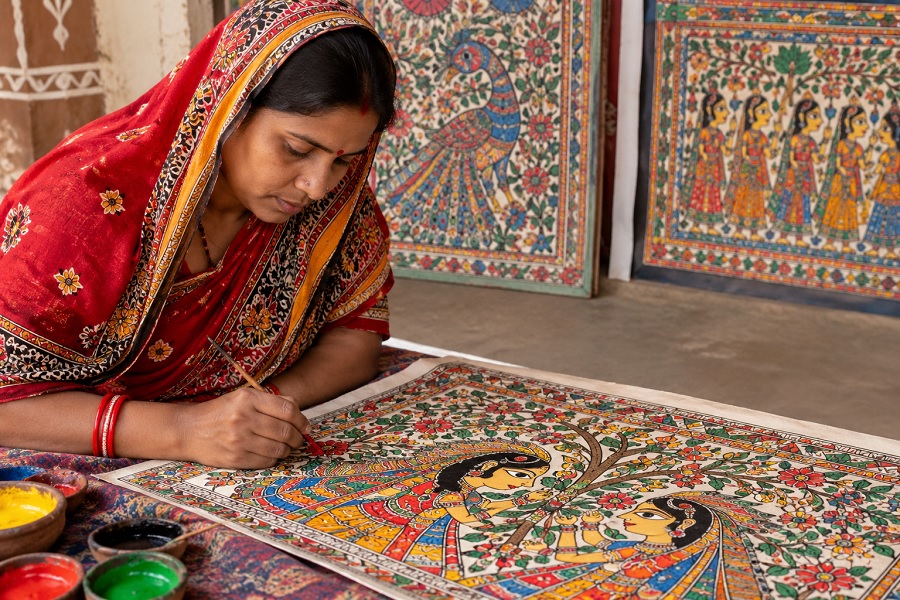
Art reflects the emotions, beliefs, and values of a society. From ancient cave paintings and classical sculptures to folk art and contemporary installations, artistic expressions provide insight into how communities see the world. For cultural tourists, visiting art galleries, museums, and artisan hubs offers a chance to witness living traditions and evolving creativity. Local crafts, murals, dance forms, and music performances not only enrich the travel experience but also support cultural preservation and local livelihoods.
Architecture: Timeless Structures That Tell Stories
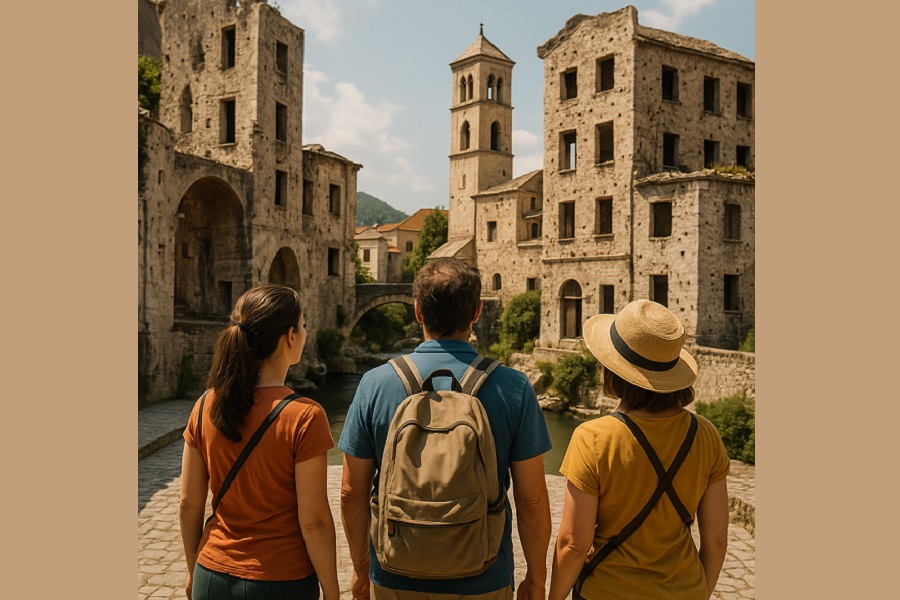
Architecture stands as a visible and lasting testament to a civilization’s progress. Temples, mosques, churches, palaces, forts, and heritage homes showcase the artistic excellence and engineering skills of their time. Each structure reveals details about social hierarchy, religious beliefs, climatic adaptations, and cultural aesthetics. Exploring architectural landmarks allows tourists to walk through history, admire intricate designs, and appreciate the harmony between form, function, and culture.
History: The Foundation of Cultural Identity
History forms the backbone of cultural tourism. Historical events, dynasties, migrations, and revolutions shape the identity of nations and communities. Heritage sites, ancient ruins, battlefields, and old towns act as open-air classrooms where travelers learn about the rise and fall of civilizations. Storytelling, guided tours, and preserved monuments help keep historical narratives alive, ensuring that future generations remain connected to their roots.
The Interconnection of Art, Architecture, and History
Art, architecture, and history are deeply intertwined. Artistic styles influence architectural designs, while historical contexts determine both form and function. Together, they create immersive cultural landscapes that attract travelers seeking authenticity and knowledge. Cultural tourism built around these pillars promotes sustainable travel by encouraging preservation, responsible tourism, and respect for local heritage.
Conclusion
Art, architecture, and history are the essence of cultural tourism. They transform travel into a meaningful experience that goes beyond leisure, fostering cultural appreciation and global understanding. By valuing and protecting these pillars, destinations can preserve their unique identity while offering travelers unforgettable journeys through time, creativity, and heritage.