Royal Wedding Heritage Tourism
Royal Wedding Heritage Tourism: A Blend of History, Luxury, and Cultural Experience
Royal wedding heritage tourism focuses on destinations, venues, and traditions linked to historic royal marriages, ceremonies, and palatial celebrations. It attracts travelers who are interested in royal culture, aristocratic architecture, and ceremonial traditions that shaped history.
This form of tourism is not just about sightseeing. It is about experiencing the grandeur of royal lifestyles, exploring palace venues, and understanding how royal weddings influenced art, fashion, and diplomacy.
What is Royal Wedding Heritage Tourism?
Royal wedding heritage tourism refers to travel experiences built around:
Historic palaces where royal weddings took place
Castles and forts used for royal ceremonies
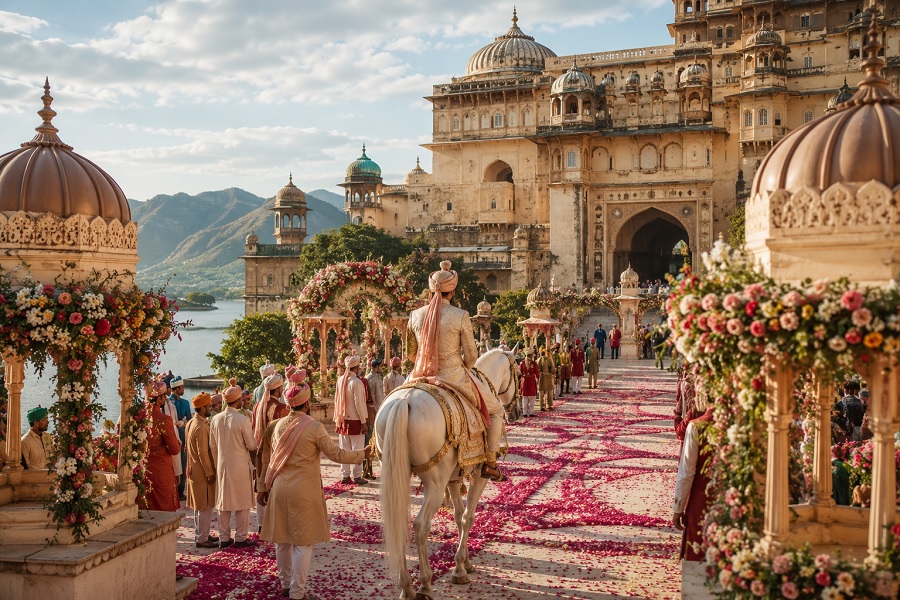
Royal processions and traditional wedding routes
Museums showcasing royal wedding artifacts
Reenactments of royal wedding ceremonies
Cultural festivals inspired by royal traditions
It combines history, luxury tourism, and cultural storytelling into one immersive experience.
Key Attractions in Royal Wedding Tourism
1. Palaces and Castles
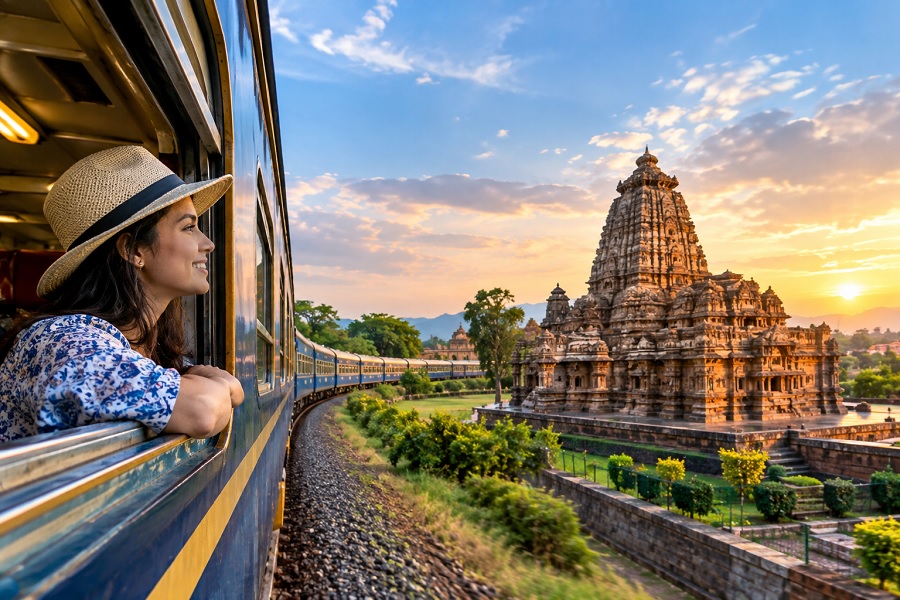
Iconic venues like European castles and Indian royal palaces are major attractions. These sites often preserve wedding halls, banquet rooms, and ceremonial courtyards.
2. Royal Heritage Hotels
Many former palaces are now luxury hotels where tourists can experience royal-style hospitality.
3. Wedding Museums and Exhibitions
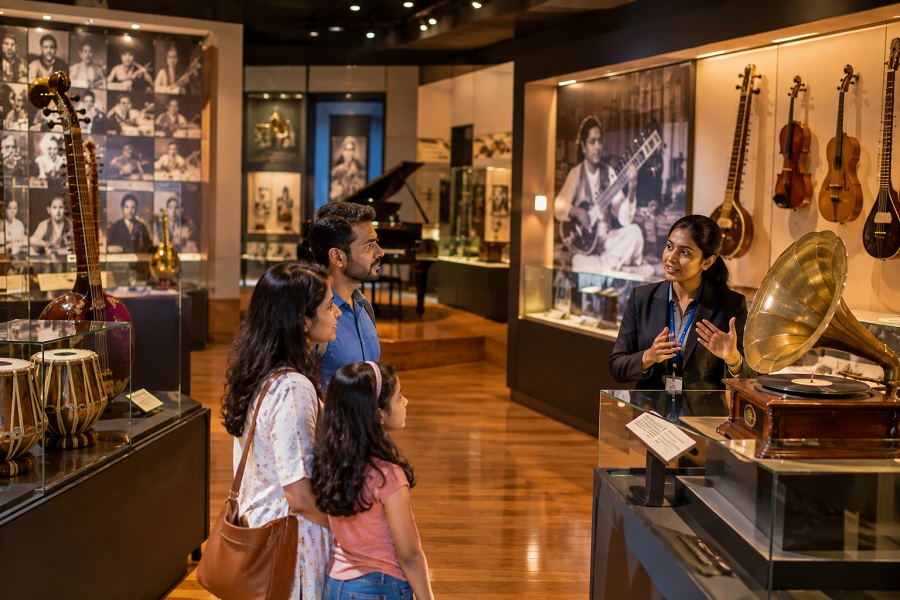
Some destinations feature exhibits of royal wedding attire, jewelry, and historical documents.
4. Cultural Reenactments
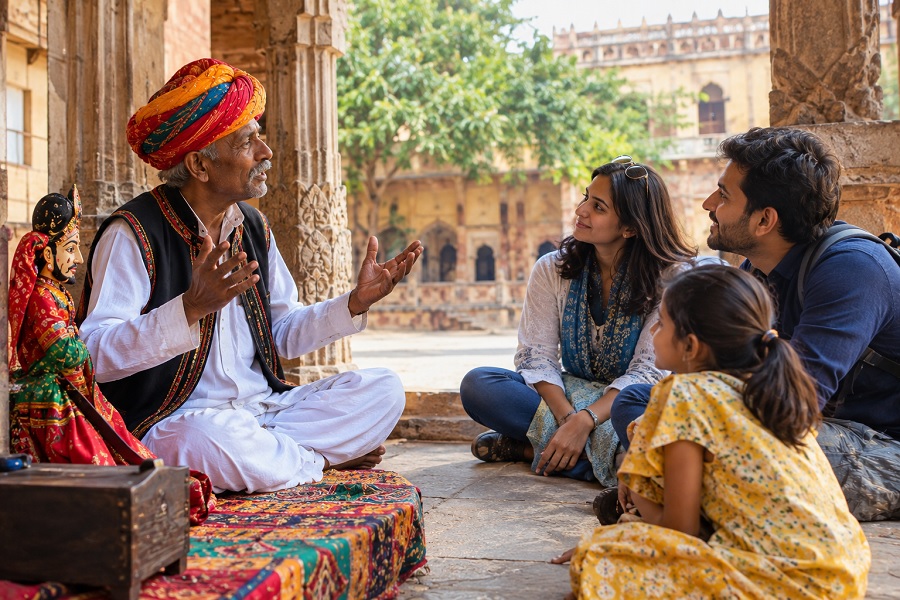
Live performances recreate royal wedding rituals, processions, and traditional ceremonies.
5. Heritage Walks
Guided tours explain royal family histories and wedding traditions connected to the location.
Popular Destinations for Royal Wedding Heritage Tourism
Europe
England (Windsor Castle heritage)
France (Versailles Palace traditions)
Austria (Habsburg royal history)
Spain (Alhambra palace influence)
India
Rajasthan palaces like Jaipur, Udaipur, Jodhpur
Mysore Palace royal traditions
Hyderabad heritage wedding culture
Middle East
Royal palaces in UAE
Historic Ottoman wedding traditions in Turkey
Why This Tourism Segment is Growing
1. Luxury Travel Demand
Travelers increasingly seek exclusive, high-end cultural experiences.
2. Film and Media Influence
Royal weddings shown in global media increase curiosity and travel interest.
3. Cultural Storytelling
Visitors enjoy learning real stories behind royal families and traditions.
4. Heritage Conservation
Restored palaces and castles are being repurposed for tourism.
Economic and Cultural Impact
Generates revenue for heritage site maintenance
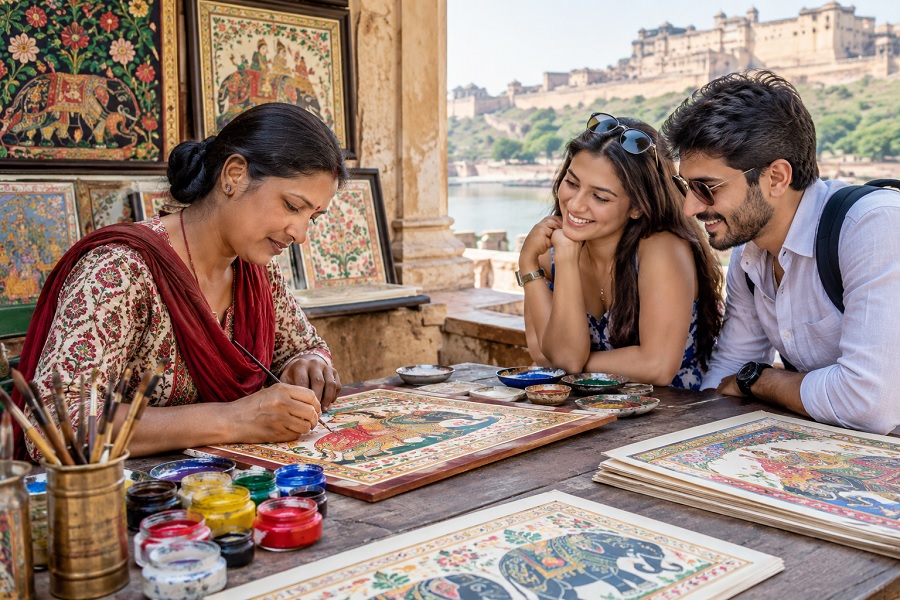
Supports local artisans and performers
Promotes traditional crafts and textiles
Encourages cultural preservation
Boosts luxury hospitality industry
Future of Royal Wedding Heritage Tourism
The future is shifting toward:
Virtual royal wedding tours using AR/VR
Immersive museum experiences
Luxury destination weddings in heritage palaces
AI-guided storytelling tours
Sustainable tourism practices in heritage sites
This ensures that historical royal traditions remain relevant for modern travelers.
Conclusion
Royal wedding heritage tourism blends history, elegance, and cultural identity. It allows travelers to step into royal worlds, experience architectural grandeur, and understand traditions that shaped nations. As interest in experiential travel grows, this niche will continue expanding globally.