Rainforest Exploration Holidays: Discover the Wild Heart of Nature
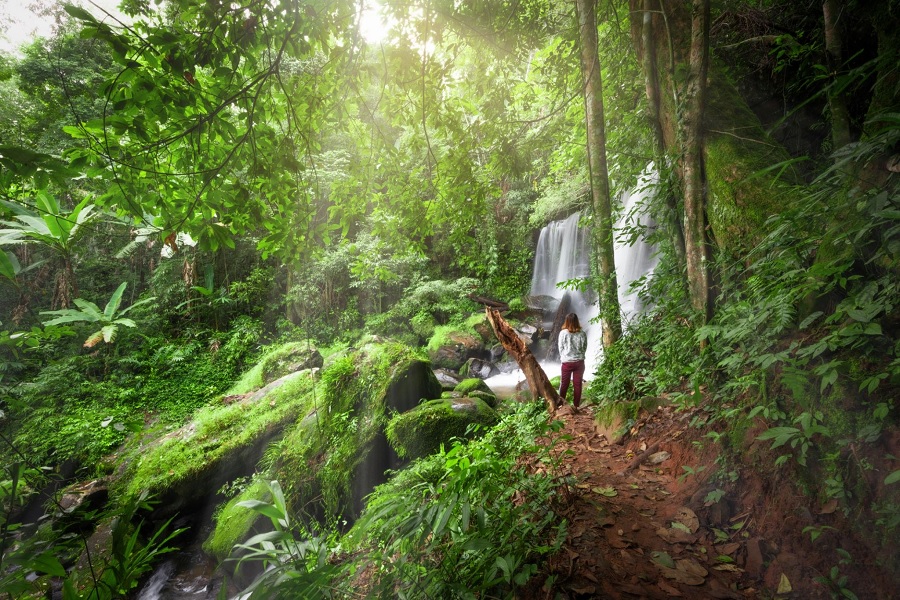
Rainforest Exploration Holidays: Discovering the World's Wild Green Landscapes
Introduction
Rainforest Exploration Holidays offer travelers an opportunity to experience some of the planet's most extraordinary natural environments. These journeys combine wildlife watching, jungle trekking, river excursions, birdwatching, cultural experiences, photography, and outdoor adventure in destinations where dense forests dominate the landscape.
Rainforests are among the world's richest ecosystems and support remarkable biodiversity. They also provide important environmental and economic benefits, making responsible tourism an increasingly important part of rainforest travel. Research on rainforest tourism emphasizes that tourism can create valuable opportunities for conservation and local communities, but it must be carefully managed because these environments are particularly sensitive.
What Are Rainforest Exploration Holidays?
A rainforest exploration holiday is a nature-focused trip centered around discovering tropical or temperate rainforest environments. Instead of simply visiting a forest for a few hours, travelers typically spend several days exploring trails, rivers, wildlife habitats, conservation areas, and nearby communities.
Activities can include guided jungle walks, canopy experiences, wildlife observation, canoeing, photography, night walks, botanical tours, and cultural visits.
Popular rainforest regions include the Amazon, Congo Basin, Borneo, Papua New Guinea, Central America, and other tropical forest destinations. Rainforests can also include cloud forests, monsoon forests, and temperate rainforests, each offering different landscapes and wildlife experiences.
Why Rainforest Exploration Is Becoming Popular
Travelers are increasingly interested in nature-based and experiential tourism. Rainforest holidays offer a chance to move away from conventional sightseeing and spend time surrounded by wildlife, plants, rivers, and natural landscapes.
The appeal is also connected with the feeling of discovery. A rainforest may reveal colorful birds, insects, frogs, monkeys, reptiles, unusual plants, and other wildlife that cannot easily be found in urban environments.
For many travelers, the experience is less about checking off attractions and more about slowing down and observing nature.
Best Activities on a Rainforest Holiday
1. Guided Jungle Walks
Walking with an experienced local guide is one of the best ways to explore a rainforest. Guides can identify plants, animal tracks, birds, insects, and other details that visitors might otherwise miss.
Local expertise can also improve safety and help travelers understand the ecological and cultural importance of the forest.
2. Wildlife Watching
Rainforest wildlife can be difficult to spot because many animals live high in the canopy or remain hidden among dense vegetation.
Wildlife-focused tours may offer opportunities to observe monkeys, sloths, big cats, birds, reptiles, amphibians, butterflies, and other species. Sightings are never guaranteed, so travelers should approach wildlife watching as an observation experience rather than expecting a specific animal encounter.
3. Birdwatching Adventures
Rainforests are particularly attractive to birdwatchers because of their diversity of bird species.
Early-morning walks with specialist guides can provide opportunities to observe colorful and unusual birds while learning about their calls, feeding habits, and habitats.
4. River and Canoe Exploration
Rivers provide important transportation routes through many rainforest regions. Small boats and canoes can offer a quieter way to explore waterways and observe wildlife from the riverbanks.
Responsible operators should prioritize low-impact practices and avoid disturbing animals or sensitive habitats.
5. Night Jungle Walks
The rainforest changes dramatically after sunset. Night walks can reveal frogs, insects, reptiles, nocturnal mammals, and other creatures that are rarely active during the day.
Night excursions should always be undertaken with trained local guides and according to local conservation rules.
6. Canopy Experiences
Canopy walks and elevated viewing platforms allow visitors to experience the forest from a different perspective.
From above the forest floor, travelers may observe birds, insects, vegetation, and layers of the rainforest that are difficult to appreciate from ground level.
7. Rainforest Photography
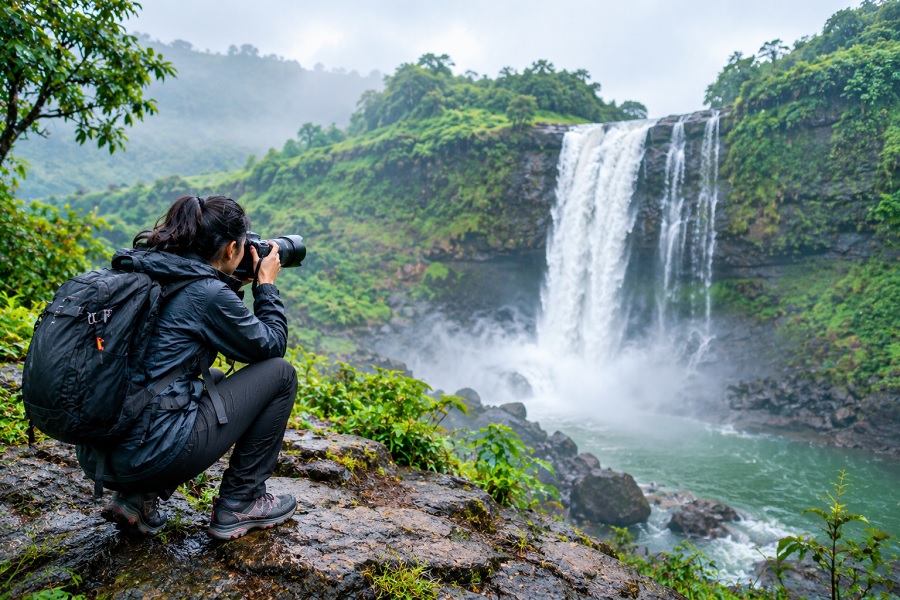
Rainforests provide countless photography opportunities, from dramatic landscapes and waterfalls to plants, insects, birds, rivers, and misty trails.
Photographers should avoid disturbing animals for photographs and should never feed, touch, chase, or manipulate wildlife for a better picture.
8. Indigenous and Community Experiences
Some rainforest holidays include visits with Indigenous or local communities. These experiences can provide insight into traditional food, crafts, music, farming, forest knowledge, and everyday life.
Community tourism is most beneficial when local communities have meaningful control over the experience and receive direct economic benefits.
Popular Rainforest Destinations
Amazon Rainforest
The Amazon is the world's largest tropical rainforest and stretches across multiple South American countries. Travelers can explore it through river journeys, forest lodges, national parks, community tourism, and guided wildlife excursions.
The scale of the Amazon makes expert guides particularly valuable, and longer stays can provide a more immersive experience than short visits.
Borneo
Borneo is known for its tropical forests and distinctive wildlife. Rainforest experiences may combine trekking, river journeys, wildlife watching, and community-based tourism.
Congo Basin
The Congo rainforest offers a more remote rainforest experience and is home to remarkable wildlife and traditional communities. Travel here generally requires careful planning and specialist local arrangements.
Papua New Guinea
Papua New Guinea offers rainforest exploration combined with distinctive birdlife and cultural experiences. Local communities play an important role in many tourism experiences.
Costa Rica
Costa Rica is well known for nature-focused travel, with rainforest, cloud forest, wildlife, and conservation experiences available across different regions.
Family Rainforest Exploration Holidays
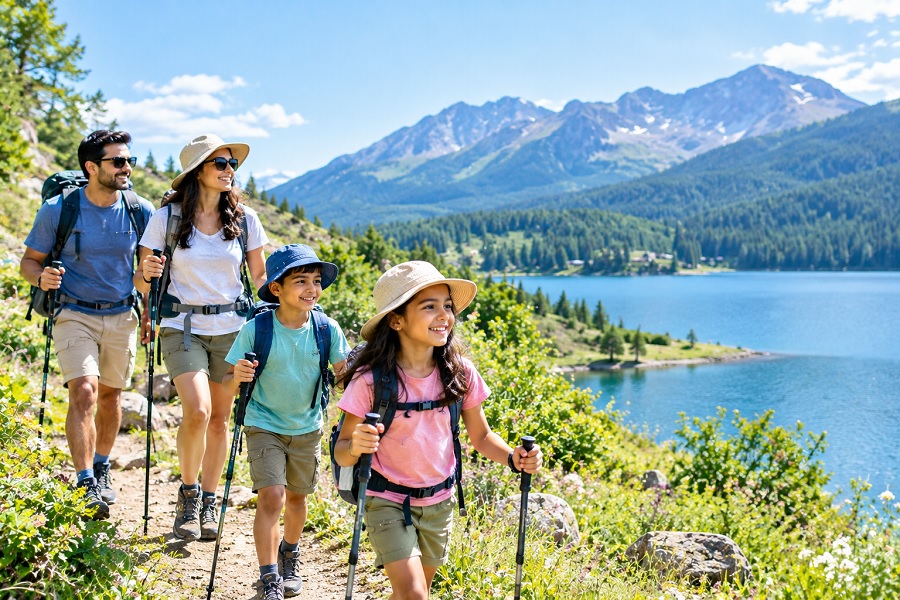
Rainforest travel can be suitable for families when the itinerary is designed around age-appropriate activities.
Family-friendly experiences may include short guided walks, wildlife observation, boat trips, canopy experiences, nature education, and comfortable ecolodges.
Families should choose destinations and activities according to children's ages, physical abilities, weather conditions, medical requirements, and accommodation facilities.
Solo Rainforest Adventures
Solo travelers can enjoy rainforest holidays as an opportunity for nature immersion and personal discovery.
However, independent exploration is not always appropriate in remote rainforest environments. Guided small-group or tailor-made trips can provide greater support, navigation assistance, local knowledge, and safety.
Responsible tourism specialists also recommend local expert guides because many rainforest environments are remote and wildlife can be difficult to locate without specialist knowledge.
Couple Rainforest Getaways
Rainforest destinations can create memorable experiences for couples. Private ecolodges, river excursions, sunset viewpoints, nature walks, wildlife photography, and outdoor dining can be incorporated into a romantic itinerary.
Couples should look for accommodations that combine comfort with genuine environmental and community benefits rather than choosing properties solely for luxury branding.
Choosing a Rainforest Ecolodge
Accommodation plays an important role in the overall experience.
Travelers should consider:
Location within or near the forest
Local ownership or community involvement
Wildlife and conservation policies
Waste-management practices
Water and energy use
Food sourcing
Guide qualifications
Small-group policies
Wildlife interaction rules
Accessibility
Emergency arrangements
Community-owned and staffed ecolodges can provide employment and direct income to local communities while supporting conservation initiatives.
Best Time to Visit
The ideal travel period depends on the specific rainforest destination.
Many rainforest destinations have wet and drier periods, but conditions vary considerably by region. Travelers should research rainfall, river levels, temperatures, wildlife activity, trail conditions, and local travel seasons before booking.
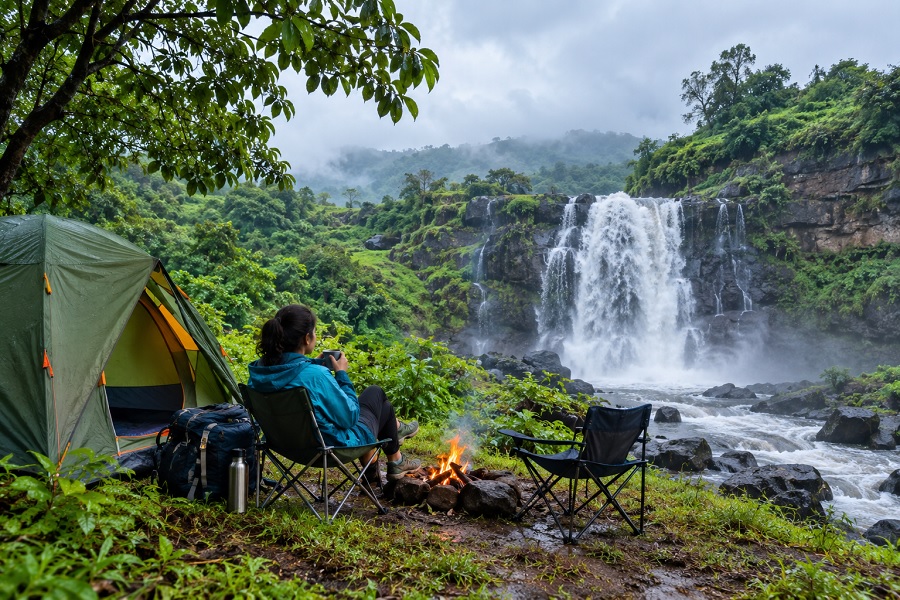
A rainy period does not necessarily mean a poor experience. Rain is an essential part of rainforest ecosystems, and wet weather can create spectacular scenery. However, travelers who want easier hiking conditions may prefer a relatively drier period where available.
What to Pack for a Rainforest Holiday
Useful items include:
Lightweight quick-drying clothing
Waterproof jacket or poncho
Comfortable hiking shoes
Extra socks
Insect protection
Sun protection
Reusable water bottle
Small waterproof backpack
Headlamp
Binoculars
Camera
Waterproof phone protection
Personal medications
Basic first-aid supplies
Lightweight towel
Eco-friendly toiletries
Packing should be adjusted to the destination and activities.
Responsible Rainforest Tourism
Responsible travel is essential because rainforest environments are fragile. Tourism can contribute to conservation and local livelihoods, but poorly managed tourism can create environmental and social pressures.
Travelers can make better choices by staying at responsible accommodations, hiring local guides, respecting community rules, following marked trails, minimizing waste, and avoiding activities that exploit wildlife.
Community-based tourism can also help ensure that tourism revenue supports the people who live in rainforest regions.
Wildlife Ethics
One of the most important rules is to observe wildlife without interfering.
Travelers should never:
Feed wild animals
Touch wild animals
Chase animals for photographs
Encourage unnatural interactions
Buy products made from wildlife
Participate in wildlife selfie experiences involving captive wild animals
Remove plants, insects, shells, feathers, or other natural objects
Responsible wildlife tourism should prioritize observation and conservation rather than guaranteed close encounters.
Supporting Local Communities
Rainforest tourism can create employment for guides, drivers, cooks, boat operators, craftspeople, accommodation staff, and conservation workers.
Choosing locally owned businesses and purchasing legitimate locally produced crafts can help keep tourism revenue within the destination.
Community participation is especially important because Indigenous and local communities possess extensive knowledge of rainforest ecosystems and have long-standing relationships with these landscapes.
Rainforest Conservation and Tourism
Tourism can contribute to conservation when visitor spending supports protected areas, guides, local employment, conservation programs, and community initiatives.
Some conservation holidays also allow travelers to participate in activities such as environmental education, biodiversity monitoring, research support, habitat restoration, and other structured conservation projects.
The important point is that conservation tourism should be professionally managed and designed around genuine long-term benefits rather than short-term visitor experiences.
Safety Tips for Rainforest Travel
Rainforest environments require preparation. Travelers should follow their guide's instructions, remain on approved trails, carry sufficient water, protect themselves from insects and sun, and pay attention to weather conditions.
Depending on the destination, travelers may also need specific vaccinations, travel insurance, permits, or health precautions. Professional medical and official travel guidance should be checked before departure.
Never wander away from a guided group in unfamiliar rainforest terrain.
Sustainable Travel Practices
Travelers can reduce their environmental footprint by:
Choosing small-group tours.
Staying at responsible ecolodges.
Using refillable water bottles.
Avoiding single-use plastics where practical.
Following designated trails.
Supporting local guides.
Respecting Indigenous communities.
Avoiding wildlife exploitation.
Taking all personal waste back when required.
Choosing conservation-focused experiences.
Small groups can also reduce pressure on sensitive environments and provide a more intimate experience.
The Future of Rainforest Exploration Holidays
Rainforest tourism is likely to become increasingly connected with conservation, community tourism, wildlife education, and nature-positive travel.
Organizations such as WWF are exploring ways to use tourism to support biodiversity conservation and community well-being, demonstrating how tourism can become part of broader conservation strategies.
The future of rainforest travel should focus not only on bringing visitors into forests but also on ensuring that tourism contributes to their long-term protection.
Conclusion
Rainforest Exploration Holidays offer travelers a chance to experience extraordinary biodiversity, discover unfamiliar landscapes, learn from local communities, and develop a deeper appreciation for nature.
From Amazon river journeys and Borneo wildlife adventures to Costa Rican forest walks and community-led experiences, rainforest travel can be both exciting and educational.
The most rewarding rainforest holiday is one that leaves travelers with unforgettable memories while also respecting wildlife, supporting local communities, and contributing to the protection of these valuable ecosystems.