Music Museum Tourism: Explore the World Through Musical Heritage
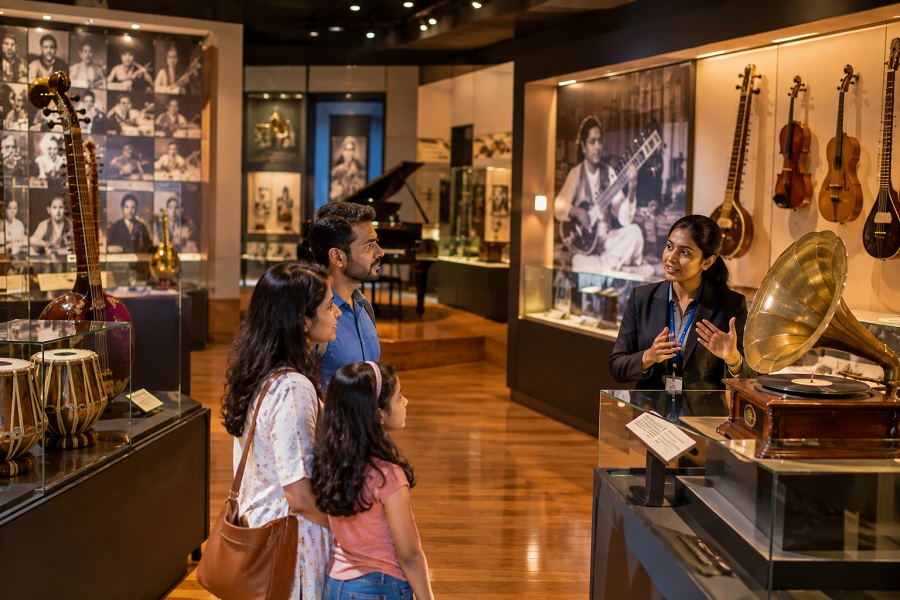
Music Museum Tourism: Discovering Musical Heritage Through Travel
Music Museum Tourism is an enriching form of cultural tourism that allows travellers to explore the history, traditions, instruments, artists, and technologies that have shaped music. A visit to a music museum can take travellers beyond ordinary sightseeing by introducing them to the stories and cultural traditions behind different forms of music.
From traditional instruments and historic recordings to interactive galleries and musician collections, music museums provide an opportunity to experience musical heritage in an educational and engaging way.
What Is Music Museum Tourism?
Music Museum Tourism refers to travelling to museums and cultural institutions that preserve and showcase musical heritage. These museums may focus on a particular country, region, genre, period, instrument, or group of musicians.
Typical museum collections can include:
Traditional and modern musical instruments
Historical recordings
Photographs and manuscripts
Concert posters and programs
Stage costumes
Personal belongings of musicians
Recording and broadcasting equipment
Videos and multimedia archives
Documents about musical traditions
Some museums also organize concerts, workshops, lectures, educational programs, and temporary exhibitions.
Why Music Museums Matter
Music is an important part of cultural identity. Songs and musical traditions can preserve stories about communities, historical events, celebrations, beliefs, and everyday life.
Museums help preserve physical objects and historical records associated with these traditions. They can also provide educational resources for students, researchers, musicians, and travellers.
UNESCO's Intangible Cultural Heritage program recognizes performing arts, including music and dance, as important forms of living cultural heritage. It also emphasizes the role of communities in maintaining and transmitting these traditions.
Major Attractions Inside Music Museums
1. Musical Instrument Collections
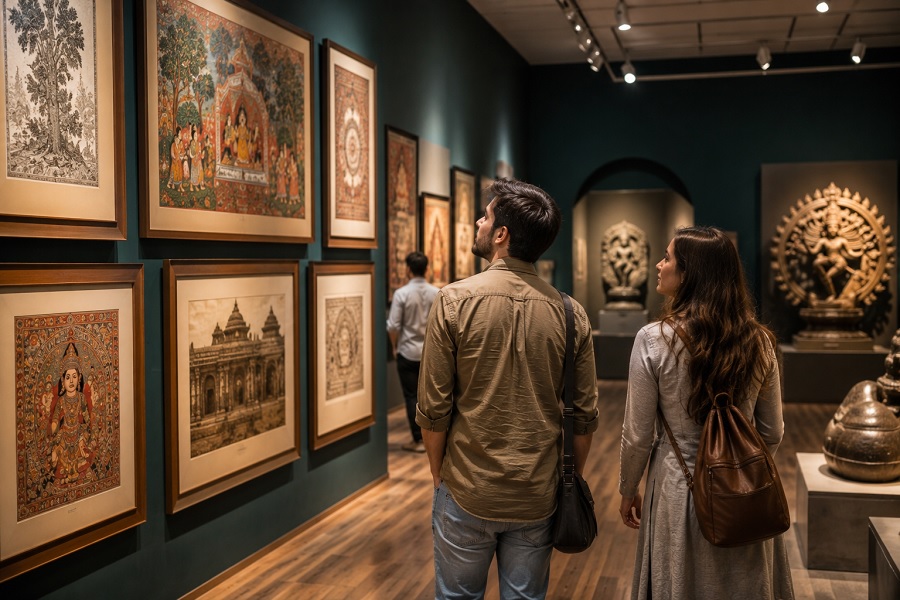
Instrument galleries are often among the most fascinating parts of a music museum. Visitors can discover how instruments developed in different regions and how their design reflects local materials and traditions.
Displays may include string, percussion, wind, electronic, and traditional instruments.
2. Historical Recordings
Audio collections allow visitors to hear music from different periods. Listening stations and digital archives can demonstrate how musical styles and recording technology have evolved.
3. Musician Exhibitions
Museums may dedicate galleries to influential musicians, composers, performers, or musical groups. Exhibits can feature photographs, instruments, clothing, handwritten material, awards, and other historically significant objects.
4. Interactive Galleries
Modern museums increasingly use multimedia technology to make exhibits more engaging. Visitors may be able to hear individual instruments, explore digital archives, watch performances, or experiment with musical sounds.
5. Live Performances
Concerts and demonstrations can connect museum collections with living musical traditions. These programs can help visitors understand how historical instruments and musical styles are performed today.
Music Museum Tourism Around the World
Music museums can be found in many major cultural destinations.
The National Museum of African American Music in Nashville explores African American musical traditions and their influence on American music.
In Paris, the Musée de la musique features an extensive collection of musical instruments and related objects.
In Liverpool, the The Beatles Story presents the history of The Beatles and their connection with the city.
These museums demonstrate how music can become an important part of a destination's cultural tourism offering.
Music Museum Tourism in India
India has an exceptionally diverse musical heritage, including Hindustani classical music, Carnatic music, folk music, devotional traditions, tribal music, and regional musical forms.
The Indian Music Experience Museum in Bengaluru is an important destination for people interested in India's musical culture. It presents Indian music through exhibitions, instruments, interactive experiences, and educational activities.
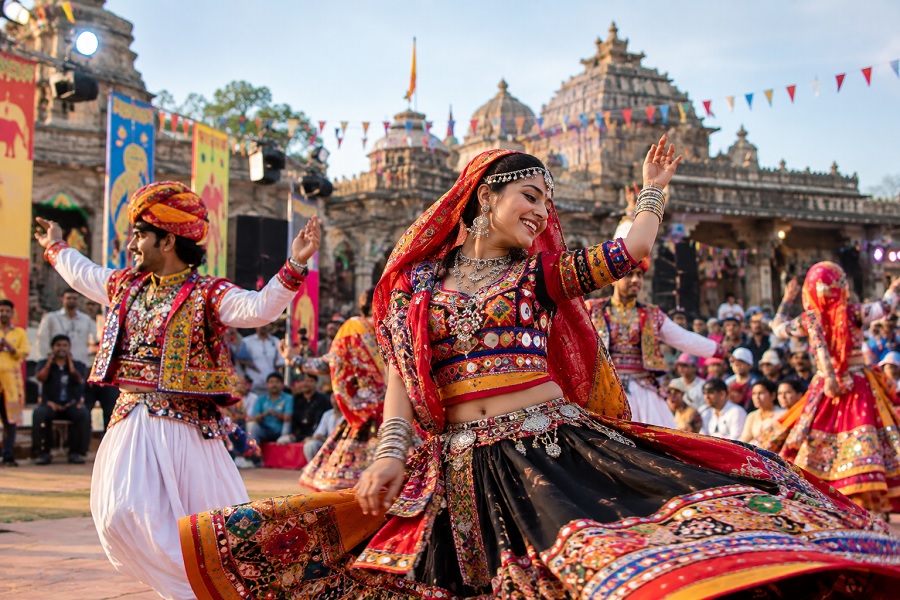
Music tourism in India can also be combined with classical concerts, folk festivals, traditional dance performances, heritage walks, instrument-making workshops, and regional cultural experiences.
Benefits of Music Museum Tourism
Music museums can contribute to tourism and cultural education in several ways.
Cultural Education
Travellers can learn about musical traditions and their historical and social contexts.
Preservation of Heritage
Museums preserve instruments, recordings, photographs, manuscripts, and other materials that might otherwise deteriorate or disappear.
Support for Artists and Cultural Institutions
Museum programs, exhibitions, concerts, and educational activities can increase public interest in musical heritage and cultural institutions.
Destination Development
A well-known music museum can become a major attraction and encourage visitors to explore other cultural sites in the surrounding destination.
Learning for Younger Generations
Interactive exhibits and educational programs can introduce children and young travellers to musical traditions in an accessible way.
Combining Music Museums With Other Cultural Experiences
Travellers can build a complete cultural itinerary around a music museum. A trip might include:
Music museum visits
Historic music venues
Local concerts
Traditional instrument workshops
Cultural festivals
Heritage walking tours
Art galleries
Local food experiences
Traditional craft markets
Combining these activities can help visitors understand the broader cultural environment in which music developed.
How to Plan a Music Museum Visit
Research the museum before travelling and check its official website for current opening hours, ticket information, temporary exhibitions, guided tours, and special events.
Visitors should also check whether photography, video recording, or audio recording is permitted inside exhibition areas.
If the museum offers guided tours or workshops, booking in advance may provide a more informative experience.
Travellers interested in a specific musician, instrument, or musical tradition can research the collection beforehand and plan additional cultural activities around it.
Responsible Music Museum Tourism
Responsible visitors should follow museum guidelines and treat cultural collections with care.
Good practices include:
Follow photography restrictions.
Do not touch exhibits unless permitted.
Respect quiet areas and listening stations.
Follow instructions from museum staff.
Respect culturally sensitive objects and traditions.
Support official museum programs and publications.
Learn about the cultural context behind exhibits.
Avoid disrupting performances or educational activities.
Music heritage should be experienced with respect for the communities and artists who created and continue to maintain these traditions.
Technology and the Future of Music Museums
Technology is creating new possibilities for music museums. Digital archives, immersive audio, interactive screens, virtual exhibitions, and multimedia storytelling can make collections easier to explore.
Digital access can also allow people to discover musical heritage before visiting a destination. UNESCO's Collection of Traditional Music of the World, for example, contains historical recordings gathered from different regions and published as part of an international cultural preservation effort.
Physical museums remain important because they allow visitors to encounter original instruments, documents, costumes, and other objects connected with musical history.
Music Museums as Educational Tourism Destinations
Music museums can be particularly valuable for educational travel. Students can study instruments, musical styles, recording technology, cultural history, and the relationship between music and society.
Schools and colleges can organize museum visits alongside music lessons, history projects, cultural studies, and performing-arts programs.
For international travellers, these museums can also provide an introduction to the cultural identity of a destination before exploring local performances and festivals.
Conclusion
Music Museum Tourism offers travellers a meaningful way to discover culture through sound, history, instruments, artists, and storytelling. A museum visit can introduce visitors to both historic musical objects and living traditions that continue to influence communities today.
Whether exploring a major international music museum or a smaller regional collection, travellers can combine museum visits with concerts, cultural festivals, heritage tours, and local experiences.
As museums continue to adopt interactive technology and digital archives, Music Museum Tourism has the potential to make musical heritage accessible to an increasingly diverse global audience.