Monsoon Waterfall Trekking Adventures
Monsoon Waterfall Trekking Adventures
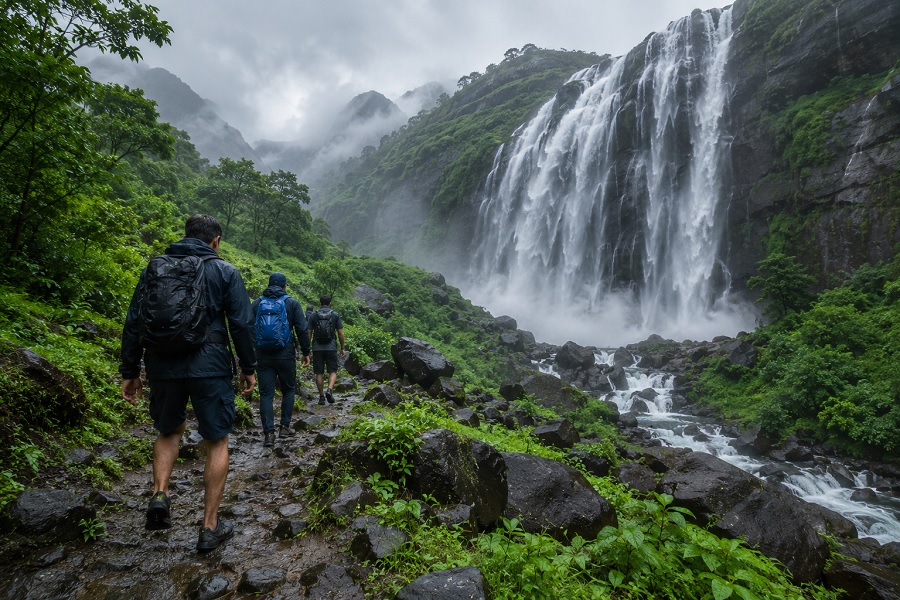
Monsoon transforms the landscapes of India into a spectacular world of lush green forests, flowing streams, misty mountains, and powerful waterfalls. For adventure lovers, the rainy season offers a unique opportunity to explore trails that become especially beautiful during the monsoon. Monsoon waterfall trekking adventures combine hiking, nature exploration, photography, and the thrill of discovering cascading waterfalls hidden among forests and hills.
From the Sahyadri ranges of Maharashtra and the Western Ghats of Karnataka to the misty landscapes of Kerala and Meghalaya, India offers countless opportunities for monsoon trekking. However, these adventures require careful planning because rain can make trails slippery, rivers stronger, and weather conditions unpredictable.
Why Monsoon Is Perfect for Waterfall Trekking
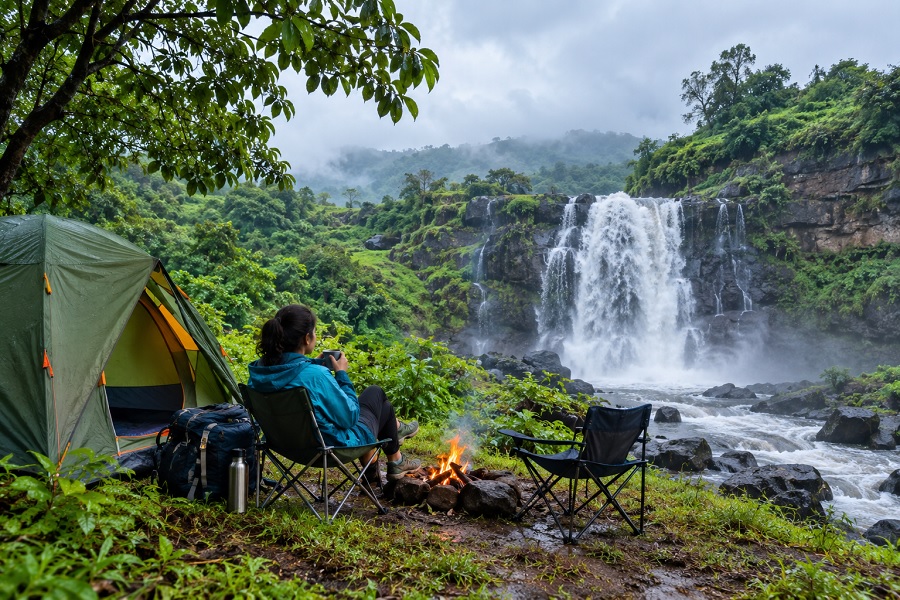
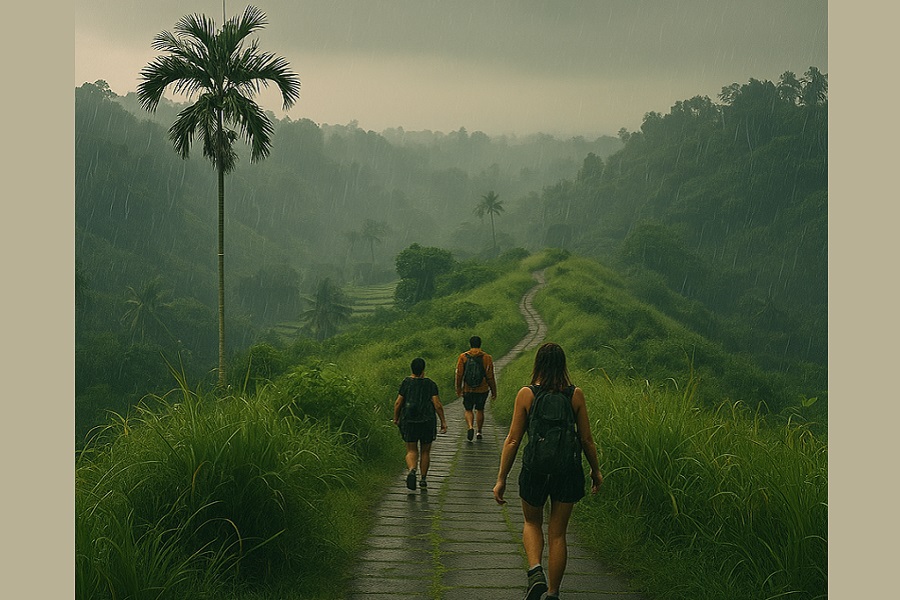
During the rainy season, waterfalls across India become more active as streams and rivers receive fresh water from heavy rainfall. Dry landscapes turn green, moss covers rocks, and the sound of flowing water fills the forests.
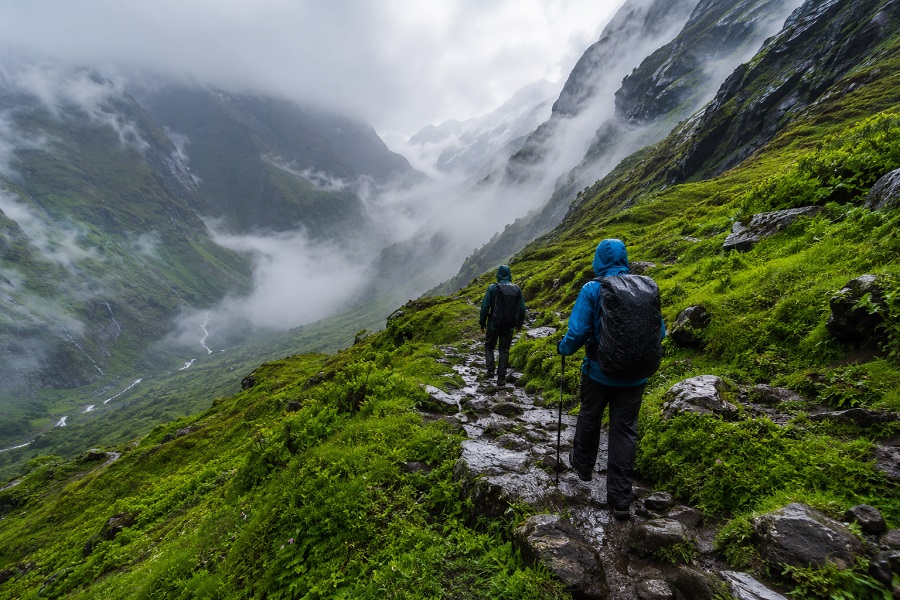
The monsoon atmosphere creates a completely different trekking experience. Clouds often surround mountain peaks, mist moves through forests, and small streams appear along hiking trails. For photographers and nature lovers, the combination of greenery and flowing water creates beautiful scenery.
The best time for a particular waterfall trek depends on local rainfall patterns and safety conditions. Some waterfalls are at their most impressive during the peak monsoon, while others are safer and easier to access toward the beginning or end of the rainy season.
Best Destinations for Monsoon Waterfall Trekking in India
1. Maharashtra
Maharashtra is one of India's most popular destinations for monsoon trekking. The Sahyadri mountains come alive during the rainy season, attracting hikers from Mumbai, Pune, Nashik, and surrounding areas.
Popular areas include the Western Ghats around Lonavala, Khandala, Malshej Ghat, Igatpuri, Bhandardara, and the Konkan region. Treks in these areas often combine waterfalls, mountain forts, valleys, and forest trails.
The region is especially popular for weekend adventures, making it a good choice for travelers looking for short monsoon escapes.
2. Karnataka
The Western Ghats of Karnataka offer spectacular monsoon scenery. The Kodagu, Chikkamagaluru, Shivamogga, and Uttara Kannada regions feature forests, hills, streams, and waterfalls.
Trekking through these landscapes during the rainy season can be an unforgettable experience. Travelers can combine waterfall adventures with homestays, coffee plantation visits, and local food experiences.
3. Kerala
Kerala's Western Ghats become exceptionally green during the monsoon. Forest trails, rivers, and waterfalls create opportunities for nature-focused adventures.
Destinations around Wayanad, Idukki, and other hill regions can offer scenic trekking experiences. Travelers should always check local conditions because heavy rain can lead to slippery trails and temporary closures.
4. Meghalaya
Meghalaya is famous for its heavy rainfall and spectacular waterfalls. The state's forests, caves, living root bridges, and cascading streams make it an exciting destination for adventurous travelers.
The Cherrapunji and Mawsynram regions are particularly well known for dramatic landscapes and waterfalls. Trekking here often involves navigating wet trails, streams, and forest paths, so appropriate footwear and local guidance can be very helpful.
5. Goa
Goa is known primarily for its beaches, but the monsoon season reveals another side of the state. The interior forests and Western Ghats become greener, and waterfalls become popular attractions.
A monsoon trip to Goa can combine waterfall exploration with village tourism, nature walks, local cuisine, and visits to quieter inland areas.
Plan a Waterfall Trekking Adventure
A successful monsoon trek begins with good preparation. Before leaving, check the weather forecast and local trail conditions. Avoid trekking during severe storms or when authorities have issued warnings.
Choose a route that matches your fitness level and experience. Beginners should start with shorter trails, while experienced trekkers can consider longer routes with professional guides where necessary.
It is also important to tell someone about your travel plans, particularly when visiting remote areas with limited mobile connectivity.
What to Carry for a Monsoon Trek
A good monsoon trekking kit should be lightweight but practical. Essential items can include:
Waterproof trekking shoes with good grip
Lightweight rain jacket or poncho
Waterproof backpack cover
Quick-drying clothes
Extra socks
Water bottle
Energy snacks
Basic first-aid kit
Flashlight or headlamp
Power bank
Personal medicines
Small towel
Insect repellent
Sunscreen
Waterproof bags for electronics
Identification documents
Emergency contact information
Avoid carrying unnecessary items because a heavy backpack can make wet and slippery trails more difficult.
Wear the Right Footwear
Footwear is one of the most important parts of monsoon trekking. Trails can become muddy, slippery, and uneven, particularly near waterfalls.
Choose trekking shoes or footwear specifically designed for outdoor conditions with good traction. Avoid casual footwear with smooth soles.
Always walk carefully on wet rocks. Moss-covered stones can be extremely slippery, even when they appear stable.
Waterfall Safety Should Come First
Waterfalls may look inviting during the monsoon, but they can also be dangerous. Water levels can rise rapidly after heavy rainfall, and strong currents may not be visible from the surface.
Never enter restricted areas or cross fast-flowing streams. Avoid standing directly under powerful waterfalls, climbing wet rocks, or swimming in unknown pools.
Even if a location appears calm, conditions can change quickly after rainfall upstream. Following local safety instructions is essential.
Trek With Local Guides
For unfamiliar or remote routes, hiring a local guide can make the experience safer and more informative. Local guides often know the terrain, seasonal water levels, alternative routes, and areas that may become dangerous during heavy rain.
Guides can also introduce travelers to local stories, wildlife, plants, and cultural traditions, adding depth to the trekking experience.
Capture the Beauty of the Monsoon
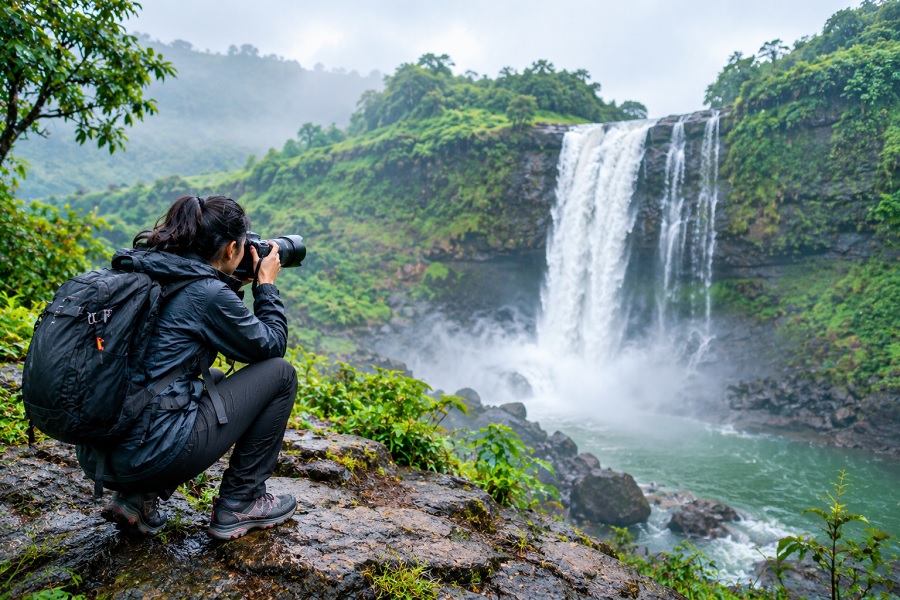
Monsoon waterfalls offer excellent opportunities for photography. The combination of mist, green forests, flowing water, and dramatic clouds can create stunning images.
Keep cameras and smartphones protected from rain and humidity. Use waterproof covers or dry bags and avoid taking unnecessary risks for the perfect photograph.
The best approach is to enjoy the landscape first and photograph it safely from designated areas.
Explore Local Culture Along the Way
Monsoon trekking can be more than an outdoor adventure. Many waterfall destinations are located near villages and rural communities where travelers can experience local culture.
Visitors can explore traditional food, local markets, handicrafts, farming communities, and regional festivals. Staying at a responsible homestay can also provide a more authentic travel experience while supporting local communities.
Practice Responsible Trekking
Beautiful monsoon landscapes are fragile, so responsible tourism is essential. Carry all waste back with you and avoid throwing plastic or food waste along the trail.
Do not damage plants, disturb wildlife, or play loud music in forest areas. Stay on marked trails whenever possible and respect local rules.
Travelers should also avoid using single-use plastic and should choose reusable water bottles and environmentally friendly travel products.
Best Monsoon Waterfall Trekking Experience for Different Travelers
For Couples
Couples can enjoy romantic waterfall walks, scenic viewpoints, cozy homestays, and peaceful monsoon drives. It is important to prioritize safety and avoid isolated or restricted locations.
For Families
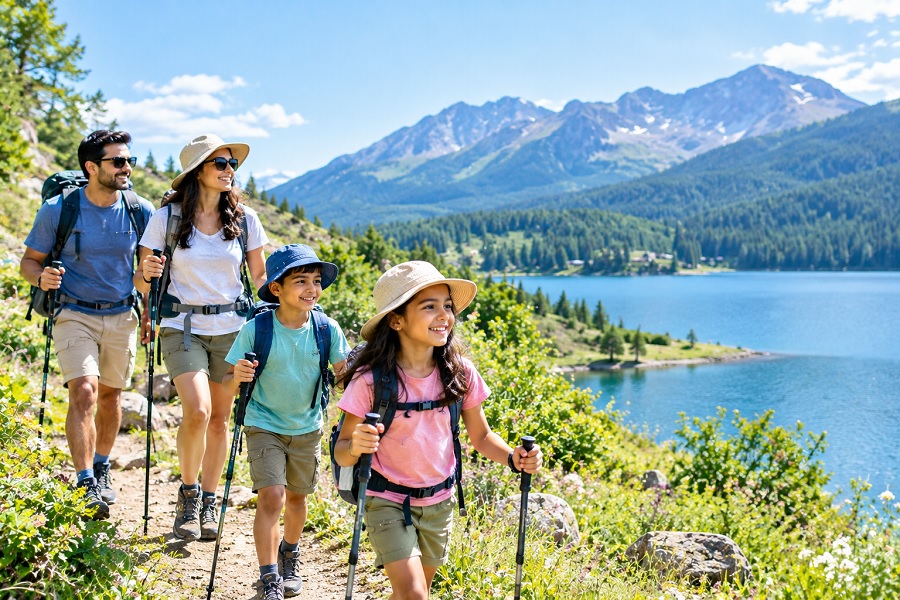
Families should choose shorter and well-maintained trails. Young children should always be supervised near streams and waterfalls.
For Solo Travelers
Solo trekkers should choose established trails, share their itinerary with someone, and consider joining a guided group for unfamiliar routes.
For Adventure Lovers
Experienced trekkers can explore longer forest routes and multi-day adventures, provided they have the right skills, equipment, and local knowledge.
Final Thoughts
Monsoon waterfall trekking adventures offer an exciting way to experience India's natural beauty during one of the country's most dramatic seasons. The combination of green mountains, misty forests, flowing streams, and spectacular waterfalls creates unforgettable travel experiences.
However, the monsoon also brings additional risks. Slippery trails, flash floods, strong currents, landslides, and changing weather conditions mean that safety must always come before adventure.
With careful planning, suitable equipment, responsible travel practices, and respect for local conditions, monsoon waterfall trekking can become a rewarding journey into nature. Whether it is a weekend trek in the Sahyadris, a forest adventure in the Western Ghats, or a waterfall exploration in Meghalaya, the rainy season offers travelers a fresh perspective on India's incredible landscapes