Juice and Wellness Drink Tourism: Exploring Healthy Beverage Experiences Around the World
Juice and Wellness Drink Tourism: Exploring Healthy Beverage Experiences Around the World
Introduction
Travel is increasingly becoming an opportunity to discover food and beverages that reflect local culture, nature and lifestyle. Juice and Wellness Drink Tourism is an emerging area of food and beverage travel that combines healthy beverage experiences with destination discovery.
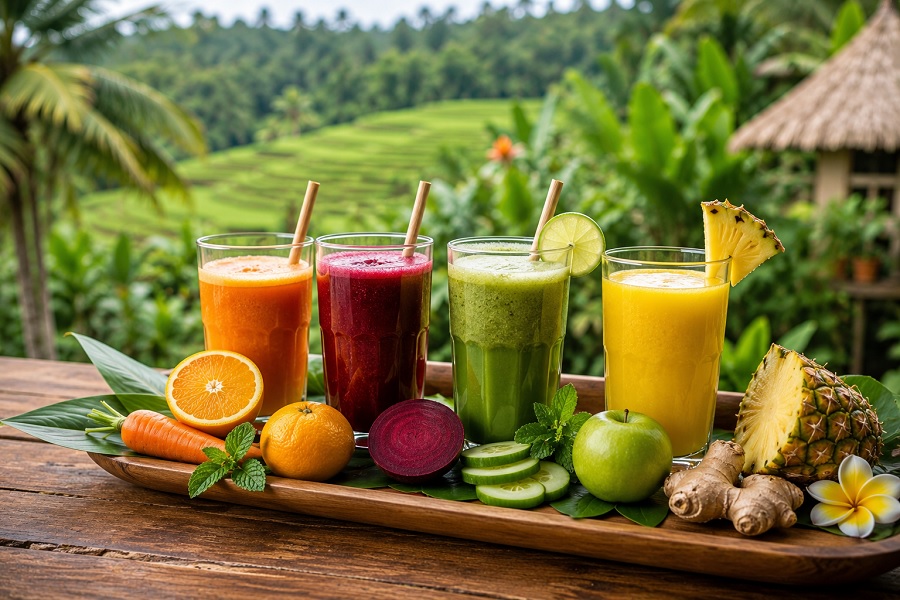
Travelers are exploring fresh fruit juices, vegetable drinks, smoothies, herbal infusions, traditional wellness beverages and locally produced drinks as part of their journeys. These experiences may take place at wellness resorts, farms, juice bars, local markets, plantations and culinary destinations.
The wider wellness tourism industry is also expanding rapidly, with nutrition, fitness, sleep and personalized wellness experiences becoming increasingly important parts of travel.
What Is Juice and Wellness Drink Tourism?
Juice and Wellness Drink Tourism refers to travel experiences centered around discovering, tasting and learning about fresh, traditional and wellness-focused beverages.
These experiences can include:
Fresh fruit juice tours
Smoothie experiences
Herbal drink tastings
Wellness beverage workshops
Farm-based juice experiences
Tea and coffee wellness trails
Traditional beverage discovery
Juice-making classes
Organic farm visits
Healthy beverage festivals
Spa and wellness retreat drink programs
The concept combines culinary tourism, wellness travel and local cultural experiences.
Why Is Wellness Drink Tourism Growing?
Modern travelers are increasingly interested in experiences that feel personal and meaningful. Food and beverage tourism is also evolving beyond simply visiting restaurants.
The World Food Travel Association's 2026 research focuses on how travelers discover and experience food and drink, including the growing role of digital tools and AI in planning culinary journeys.
At the same time, wellness travelers are showing increasing interest in nutrition, restoration and personalized experiences. This creates new opportunities for destinations to combine healthy drinks with tourism experiences.
Fresh Fruit Juice Experiences
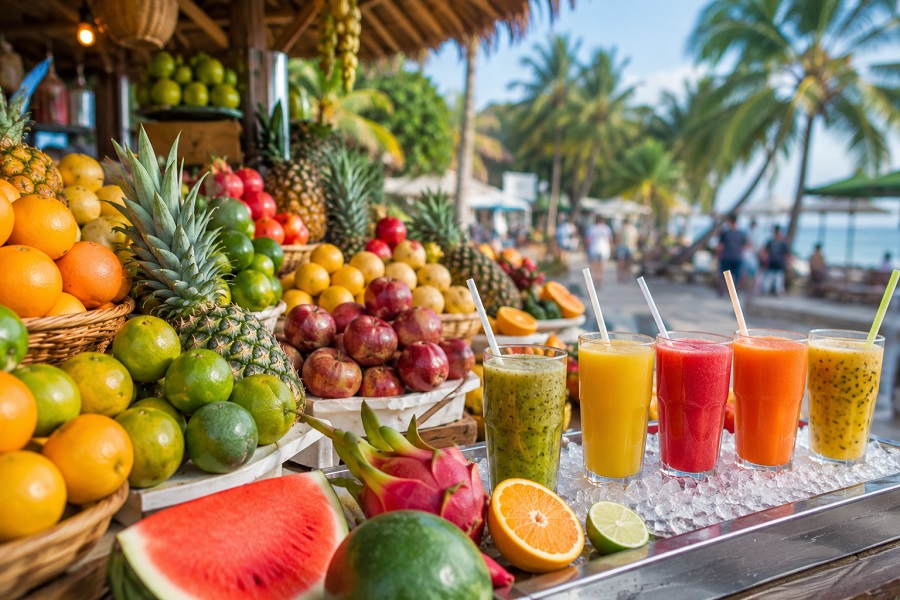
Fresh fruit juice is one of the most accessible parts of wellness drink tourism.
Travelers can discover locally grown fruits and experience how different regions create distinctive beverages.
Popular juice tourism experiences may feature:
Orange juice farms
Mango juice experiences
Pineapple farms
Coconut water experiences
Berry juice tastings
Pomegranate drinks
Watermelon juice
Tropical fruit smoothies
Visiting farms can make the experience more meaningful because travelers can learn about cultivation, harvesting and local food traditions.
Tropical Fruit Tourism
Tropical destinations offer particularly strong opportunities for juice tourism.
Fresh fruits can become an important part of the visitor experience, especially in regions known for:
Mangoes
Pineapples
Coconuts
Papayas
Bananas
Passion fruits
Guavas
Dragon fruits
Travelers can enjoy freshly prepared drinks while learning about regional agriculture and local culinary traditions.
Smoothie and Healthy Drink Experiences
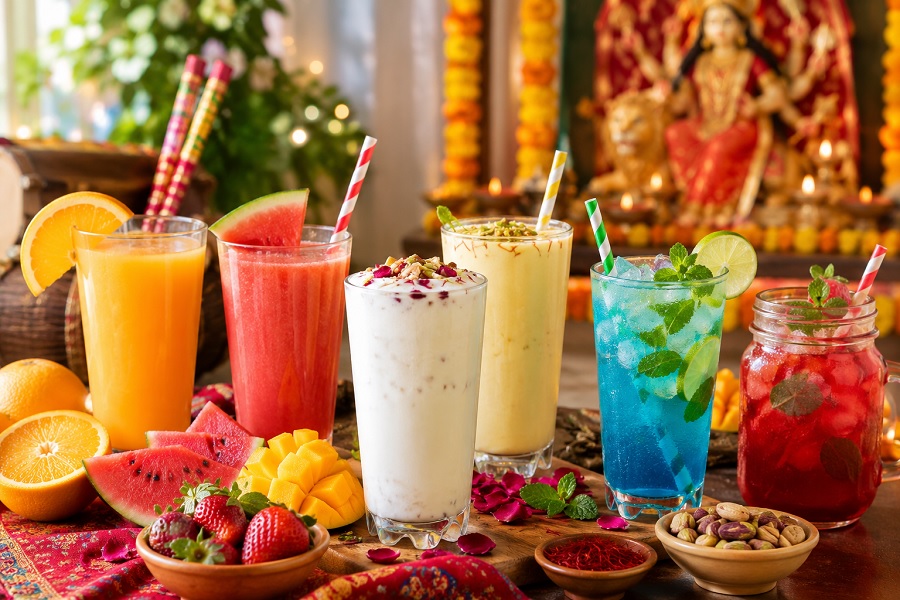
Smoothies have become popular among travelers looking for convenient and refreshing beverage options.
Tourism experiences can include smoothie-making workshops using local ingredients such as:
Fresh fruits
Leafy vegetables
Seeds
Nuts
Yogurt
Plant-based ingredients
Local ingredients can give each destination its own distinctive beverage identity.
Traditional Wellness Beverages
Many countries have traditional drinks connected with local culture and everyday wellness practices.
These beverages may include:
Herbal infusions
Traditional fruit drinks
Spice-based beverages
Fermented drinks
Botanical teas
Natural mineral waters
Travelers are increasingly interested in understanding the stories and traditions behind local beverages rather than simply consuming them.
Culinary heritage is a major theme in food and beverage tourism in 2026, with increasing attention on the traditions and producers that shape a destination's food identity.
Herbal Beverage Tourism
Herbal drinks can create unique experiences for visitors interested in local plants and traditional beverage preparation.
Tourism programs may include:
Herb garden visits
Botanical walks
Herbal tea workshops
Traditional drink demonstrations
Local ingredient tastings
Travelers should remember that traditional or herbal drinks should not automatically be treated as medical treatments. Health claims should be evaluated carefully, especially when a beverage is marketed as having therapeutic benefits.
Juice Bars as Tourism Experiences
Modern juice bars are becoming part of urban food culture.
In major cities, travelers can explore cafés and beverage spaces specializing in:
Fresh juices
Smoothies
Cold-pressed drinks
Fruit bowls
Wellness beverages
Plant-based drinks
These spaces can provide a convenient way for visitors to experience modern food and wellness trends.
Farm-to-Glass Tourism
One of the most interesting concepts in this category is farm-to-glass tourism.
Similar to farm-to-table dining, this experience connects travelers directly with the source of their beverages.
Visitors may:
Visit a fruit or vegetable farm.
Learn about local cultivation.
Observe harvesting.
Select ingredients.
Watch the drink preparation.
Taste the finished beverage.
This type of experience combines agriculture, food education and tourism.
Organic Farm Juice Experiences
Organic farms can provide visitors with opportunities to learn about sustainable agriculture while enjoying fresh beverages.
Experiences may include:
Farm tours
Seasonal fruit harvesting
Juice-making demonstrations
Local ingredient education
Healthy food workshops
These activities can support local producers and create additional tourism opportunities in rural communities.
Wellness Resorts and Healthy Beverages
Wellness resorts often include nutrition as part of the guest experience.
Healthy beverage programs may feature:
Fresh juices
Smoothies
Herbal teas
Hydration drinks
Locally inspired beverages
Wellness travel in 2026 is increasingly moving toward personalized experiences rather than one-size-fits-all programs.
Local Markets and Beverage Tourism
Local markets are excellent places for travelers to discover regional drinks.
Visitors can explore:
Fresh fruit stalls
Juice vendors
Traditional beverages
Seasonal drinks
Local ingredients
Herbal products
Market experiences can provide a direct connection to everyday food culture.
However, travelers should choose food and drink vendors carefully and follow sensible hygiene practices.
Beverage Workshops and Classes
Interactive workshops can make wellness drink tourism more engaging.
Travelers can learn how to prepare:
Fresh fruit juices
Smoothies
Traditional beverages
Herbal infusions
Local drinks
These workshops can also teach visitors about local ingredients and culinary traditions.
Sustainable Juice Tourism
Sustainability is becoming increasingly relevant in food tourism.
Juice and beverage businesses can reduce environmental impact by focusing on:
Local ingredients
Seasonal produce
Reusable containers
Reduced food waste
Responsible sourcing
Food and beverage tourism in 2026 is also placing greater attention on the people and producers who maintain culinary traditions.
Juice Tourism for Different Types of Travelers
Solo Travelers
Solo travelers can enjoy beverage workshops, local market tours and wellness retreats.
Families
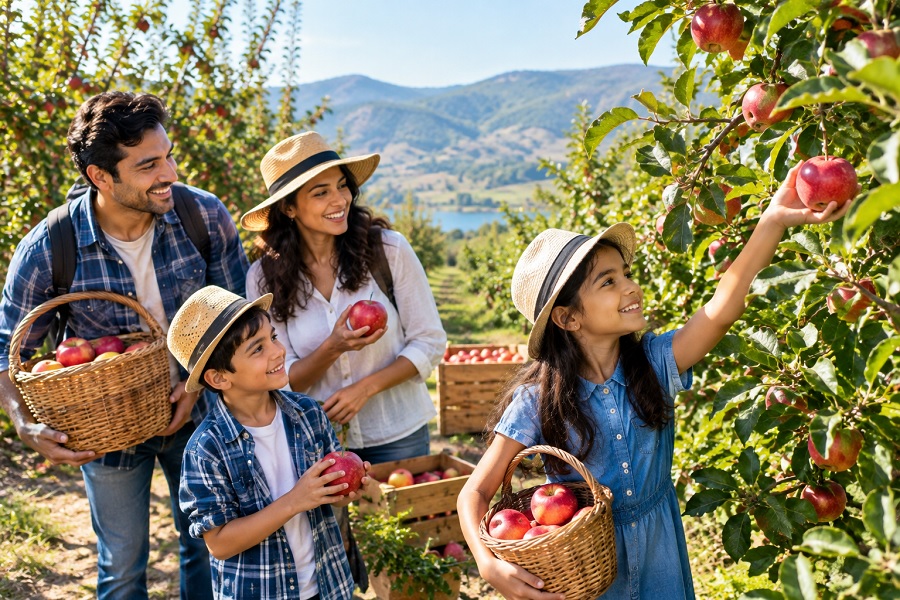
Families can participate in fruit farm visits and interactive juice-making experiences.
Couples
Couples may enjoy wellness retreats, tropical farm tours and private beverage experiences.
Wellness Travelers
Wellness-focused visitors may combine healthy drinks with yoga, fitness and relaxation activities.
Food Travelers
Food enthusiasts can explore traditional beverages and regional ingredients as part of a broader culinary journey.
Popular Juice and Wellness Drink Tourism Experiences
Some interesting experiences include:
Tropical fruit farm tours
Fresh juice-making workshops
Coconut water experiences
Herbal beverage trails
Organic farm visits
Smoothie workshops
Local market beverage tours
Wellness retreat nutrition programs
Seasonal fruit festivals
Traditional drink discovery tours
How Destinations Can Develop Juice Tourism
Destinations can create attractive tourism products by connecting local agriculture with visitor experiences.
Possible ideas include:
Juice trails
Fruit festivals
Farm-to-glass experiences
Beverage workshops
Healthy drink markets
Local producer tours
Wellness drink festivals
The strongest experiences focus on authentic local ingredients and the stories behind them.
Important Considerations for Travelers
Travelers should enjoy wellness beverages responsibly.
It is useful to:
Check ingredient lists
Consider allergies
Choose hygienic preparation
Be cautious about exaggerated health claims
Stay hydrated
Ask about unfamiliar ingredients
A beverage described as "natural" or "wellness-focused" is not automatically suitable for every person.
The Future of Juice and Wellness Drink Tourism
The future of this tourism segment is likely to be shaped by the growing connection between food, wellness and travel experiences.
Current wellness tourism trends highlight greater demand for personalized journeys, nutrition-focused experiences, rest and restoration.
Meanwhile, food tourism research continues to emphasize authentic culinary experiences and the importance of local food and beverage culture.
This creates opportunities for destinations to develop experiences that combine:
Local agriculture
Healthy beverages
Culinary traditions
Wellness activities
Sustainable tourism
Conclusion
Juice and Wellness Drink Tourism offers travelers a refreshing way to explore destinations through local fruits, traditional beverages and wellness-focused experiences.
From tropical fruit farms and organic juice workshops to herbal beverage trails and wellness retreats, this form of tourism combines food discovery with lifestyle experiences.
The strongest tourism experiences are likely to focus on authenticity, local ingredients and responsible practices rather than making unrealistic health promises.
As travelers continue looking for meaningful food and wellness experiences, juice and wellness drink tourism has the potential to become an increasingly interesting part of the global food and beverage tourism industry.