Exploring Fresh Flavors Through Fruit and Juice Tourism
Fruit and Juice Tourism: Exploring Destinations Through Fresh Flavors
Fruit and Juice Tourism is an emerging form of food and beverage tourism that allows travelers to discover destinations through fresh fruits, traditional beverages, farms, orchards, juice-making traditions, and local culinary culture. From walking through tropical fruit plantations to tasting freshly prepared regional juices, this travel experience connects food lovers with agriculture, local communities, and seasonal traditions.
Fruit-focused travel can be especially appealing to families, wellness travelers, food enthusiasts, photographers, and visitors looking for authentic experiences beyond conventional sightseeing.
What Is Fruit and Juice Tourism?
Fruit and Juice Tourism involves traveling to destinations known for their fruit production, traditional fruit beverages, orchards, farms, markets, festivals, and juice-making traditions.
Visitors may participate in fruit picking, farm tours, juice-making demonstrations, tasting sessions, farmers' markets, fruit festivals, and local cooking experiences.
The experience can range from a short farm visit to a complete culinary itinerary built around a particular fruit or regional beverage.
Why Fruit Tourism Is Becoming Popular
Travelers are increasingly interested in knowing where their food comes from. Fruit tourism provides an opportunity to see how fruits are cultivated, harvested, processed, and transformed into beverages and traditional dishes.
It also creates a connection between tourism and agriculture. Visitors can meet farmers, learn about seasonal crops, and understand the importance of local food production.
Popular Fruit Tourism Experiences
1. Orchard Visits
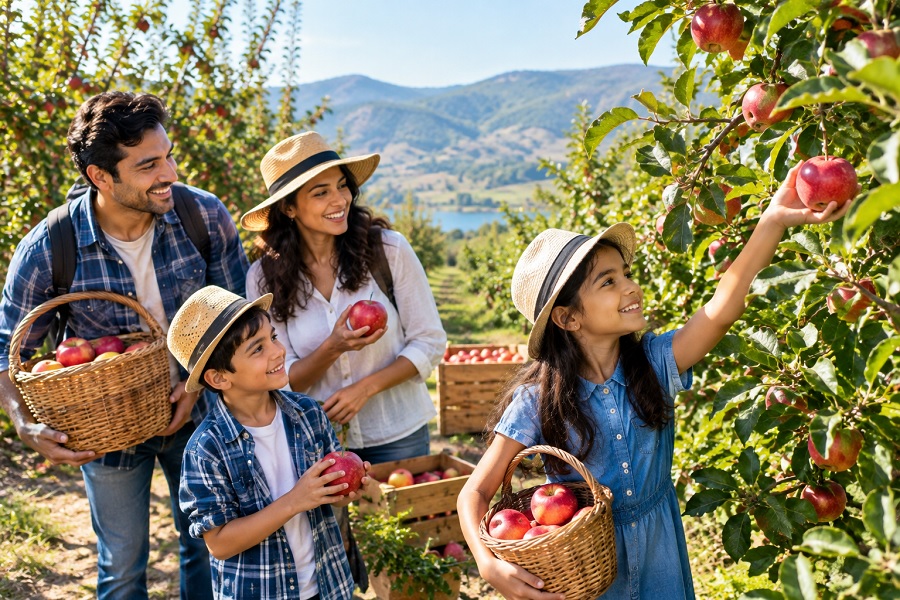
Orchard tours allow visitors to walk among fruit trees and learn about cultivation and harvesting. Depending on the season, travelers may see mangoes, apples, oranges, guavas, berries, peaches, grapes, or other regional fruits.
2. Fruit Picking Experiences
Fruit picking can be a fun activity for families and children. Visitors can collect seasonal fruit under the guidance of farmers and sometimes enjoy the produce directly at the farm.
3. Fresh Juice Tasting
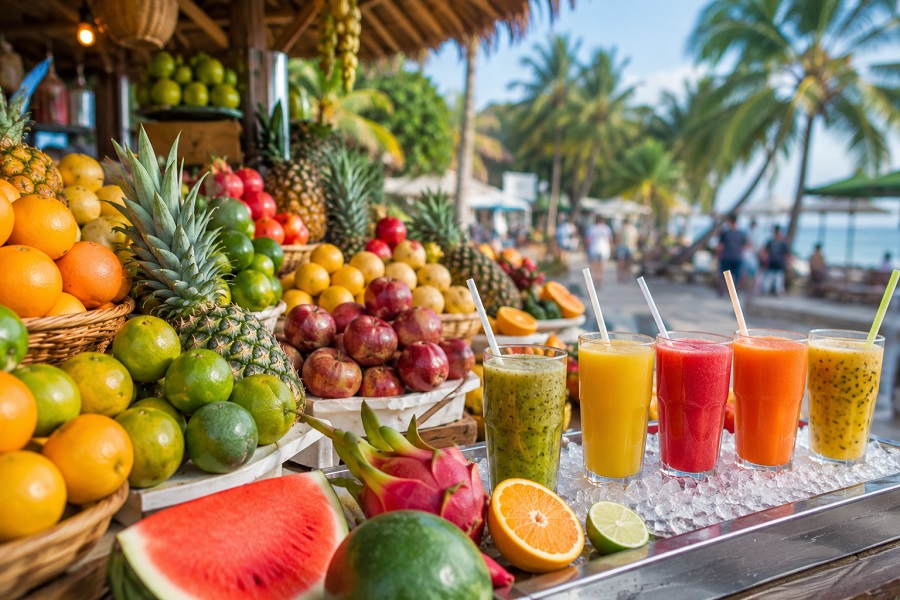
Freshly prepared juice is often one of the highlights of a fruit tourism experience. Local vendors and farms may prepare beverages using seasonal fruits and regional ingredients.
Travelers can discover combinations that are not commonly available in commercial juice products.
4. Traditional Juice-Making Demonstrations
Some communities have traditional methods for preparing fruit-based beverages. Demonstrations can show how fruits are selected, cleaned, pressed, blended, filtered, and served.
These experiences provide insight into local culinary knowledge.
5. Fruit Festivals
Fruit festivals celebrate seasonal harvests and can combine food, music, cultural performances, local markets, and agricultural activities.
Visitors can taste different varieties of fruit, purchase local products, and learn about the farming traditions of the region.
Popular Fruits for Tourism Experiences
Different destinations can build tourism experiences around their signature fruits.
Mango tourism can include orchard visits, mango festivals, tasting sessions, and traditional mango-based recipes. Apple tourism is popular in mountain regions where visitors can explore orchards and local cider or juice production.
Grape tourism often combines vineyard visits with culinary experiences. Other opportunities include orange, strawberry, pineapple, banana, coconut, guava, pomegranate, lychee, jackfruit, and berry tourism.
Fruit and Juice Tourism in India
India's diverse climate supports a wide variety of fruits, creating opportunities for fruit-focused tourism across different states.
Maharashtra is known for mangoes, grapes, strawberries, and other agricultural products. Himachal Pradesh and Jammu and Kashmir offer apple and other temperate-fruit experiences.
Kerala provides opportunities to explore tropical fruits such as pineapple, banana, jackfruit, and coconut. Uttar Pradesh, Bihar, West Bengal, Karnataka, Andhra Pradesh, Telangana, Gujarat, and Punjab also have distinctive fruit-growing regions.
Fruit festivals, farm visits, local markets, and agricultural tourism initiatives can help travelers discover these regional specialties.
Juice Culture and Local Traditions
Juices and fruit-based beverages often reflect local culture. Traditional recipes may combine fruits with herbs, spices, flowers, or other regional ingredients.
For example, local beverages may use ingredients such as lemon, mint, ginger, cumin, coconut, tamarind, or seasonal fruits.
Exploring these beverages can help travelers understand how communities adapt local agricultural products into everyday food traditions.
Family-Friendly Fruit Tourism
Fruit tourism can be particularly suitable for families. Children can learn about agriculture while participating in simple activities such as fruit picking, farm walks, and tasting sessions.
Parents can use the experience to explain seasonal farming, biodiversity, food production, and the journey from farm to table.
Wellness and Fruit Tourism
Fruit and juice experiences can also complement wellness travel. Fresh fruit tasting, farm walks, nature experiences, and locally prepared beverages can fit naturally into wellness-oriented itineraries.
However, travelers should remember that fruit juices can contain significant amounts of naturally occurring sugar, and health claims about specific juices should be approached carefully.
Sustainable Fruit Tourism
Sustainable practices can make fruit tourism more beneficial for destinations and local communities.
Travelers can support sustainability by:
Buying directly from local farmers.
Choosing seasonal produce.
Supporting small family-owned farms.
Avoiding unnecessary food waste.
Carrying reusable bottles where appropriate.
Respecting agricultural land and farm rules.
Choosing locally operated tours.
Learning about responsible farming practices.
Supporting traditional fruit varieties.
Economic Benefits for Local Communities
Fruit tourism can provide additional income for farming communities. Instead of selling only raw produce, farmers and local businesses can generate revenue through farm tours, tasting experiences, workshops, accommodation, festivals, and value-added products.
This can diversify rural economies and encourage visitors to spend more time in agricultural regions.
Best Time for Fruit Tourism
The best time depends on the fruit and destination. Each fruit has its own growing and harvesting season.
Travelers should research the harvest calendar before booking a trip. Visiting during peak harvest season can provide opportunities to see orchards at their most active and participate in fruit-picking or tasting activities.
Tips for Planning a Fruit and Juice Tour
Before visiting, check the farm's opening hours, seasonal availability, weather conditions, transportation, and activity requirements.
Travelers should also ask whether fruit-picking experiences require advance booking. Comfortable clothing, walking shoes, sun protection, and reusable water bottles can be useful for outdoor farm visits.
When purchasing fresh juice, travelers should consider hygiene and food-handling practices, particularly when visiting crowded markets or outdoor festivals.
Photography Opportunities
Fruit farms, colorful markets, traditional juice stalls, harvesting activities, and fruit festivals provide excellent photography opportunities.
Travelers can capture orchards, baskets of fresh produce, farmers at work, traditional preparation methods, and colorful local beverages. Permission should be requested before photographing people or private farming activities.
The Future of Fruit and Juice Tourism
Fruit and Juice Tourism has strong potential as travelers look for agricultural, culinary, wellness, and community-based experiences.
Technology can also enhance these experiences through digital farm maps, seasonal harvest calendars, online farm bookings, educational applications, and interactive food trails.
Combining fruit tourism with cycling routes, village stays, culinary workshops, nature walks, and local festivals can create complete rural travel experiences.
Conclusion
Fruit and Juice Tourism provides a fresh and engaging way to discover destinations through agriculture, local flavors, traditions, and community experiences. From walking through orchards and picking seasonal fruit to tasting traditional juices and attending harvest festivals, travelers can experience the journey from farm to table.
With responsible planning, fruit tourism can benefit travelers, farmers, local businesses, and rural communities while encouraging greater appreciation for seasonal food and agricultural heritage.
As food and beverage tourism continues to evolve in 2026, fruit-focused experiences offer travelers a simple but memorable way to explore the natural and culinary character of a destination.