Indian Tourism: A Glimpse of India’s Spiritual and Cultural Grandeur
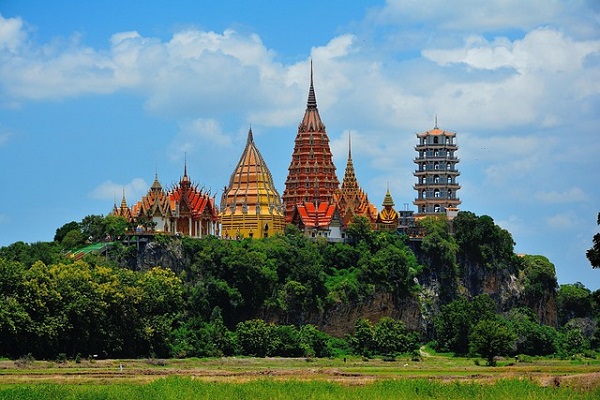
The image beautifully captures the essence of Indian tourism, where spirituality, history, architecture, and natural beauty blend seamlessly. Perched amid lush greenery, the majestic temple complex reflects India’s deep-rooted spiritual heritage and its timeless architectural brilliance. Such landscapes are not just visually captivating but also spiritually uplifting, making India one of the world’s most diverse and meaningful travel destinations.
India’s tourism appeal lies in its ability to offer multiple experiences in one journey. Spiritual destinations like ancient temples, monasteries, mosques, and churches attract millions of devotees and cultural explorers every year. These sacred sites are not merely places of worship; they are living symbols of centuries-old traditions, art forms, and philosophies that continue to guide Indian society.
The architectural splendor seen in the image highlights India’s mastery in temple construction, marked by intricate carvings, towering spires, and harmonious integration with nature. From hilltop shrines to riverside ghats, such sites often become centers of pilgrimage as well as heritage tourism, drawing travelers who seek peace, knowledge, and cultural depth.
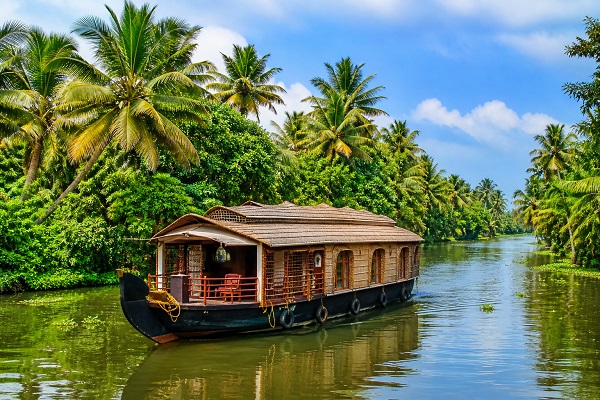
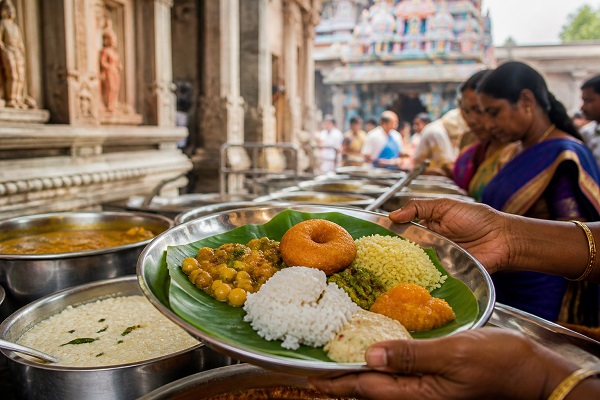
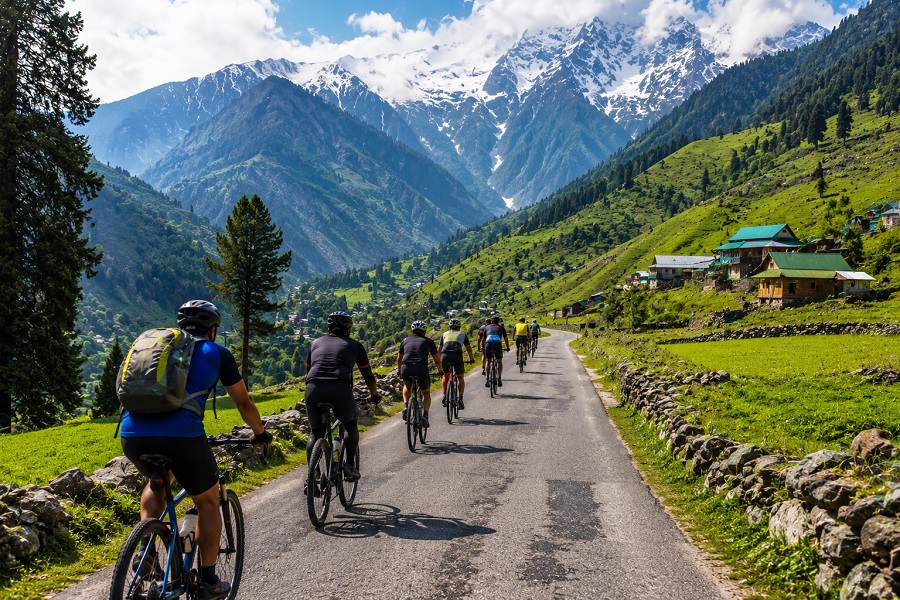
Indian tourism also thrives on its natural surroundings. Green landscapes, open skies, and serene environments around heritage sites enhance the travel experience, offering moments of calm away from fast-paced urban life. Many travelers combine spiritual visits with eco-tourism, local cuisine exploration, and interactions with nearby communities, making their journeys more immersive.
With initiatives like heritage conservation, improved connectivity, and promotion of lesser-known destinations, Indian tourism continues to evolve while preserving its soul. Images like this remind the world why India is not just a destination, but an experience—one that touches the heart, enriches the mind, and leaves lasting memories.