Historical Villages Tourism
Historical Villages Tourism: Exploring Timeless Heritage and Living History
Introduction
Historical Villages Tourism is one of the fastest-growing segments of cultural tourism, offering travelers the opportunity to step back in time and experience authentic traditions, architecture, and lifestyles that have been preserved for generations. These charming villages provide a unique glimpse into the past while showcasing the cultural identity of local communities.
From medieval European settlements and ancient Asian villages to traditional rural communities in Africa and South America, historical villages attract visitors seeking meaningful and immersive travel experiences.
What is Historical Villages Tourism?
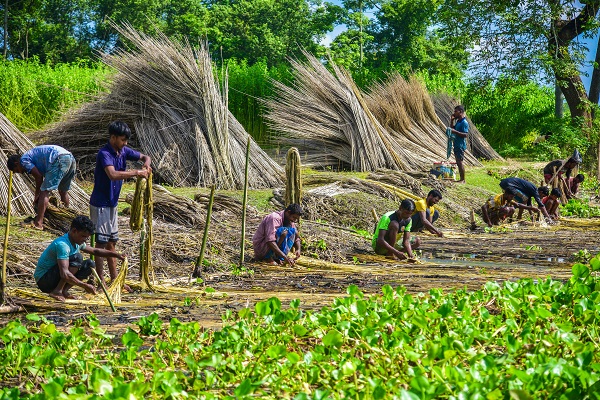
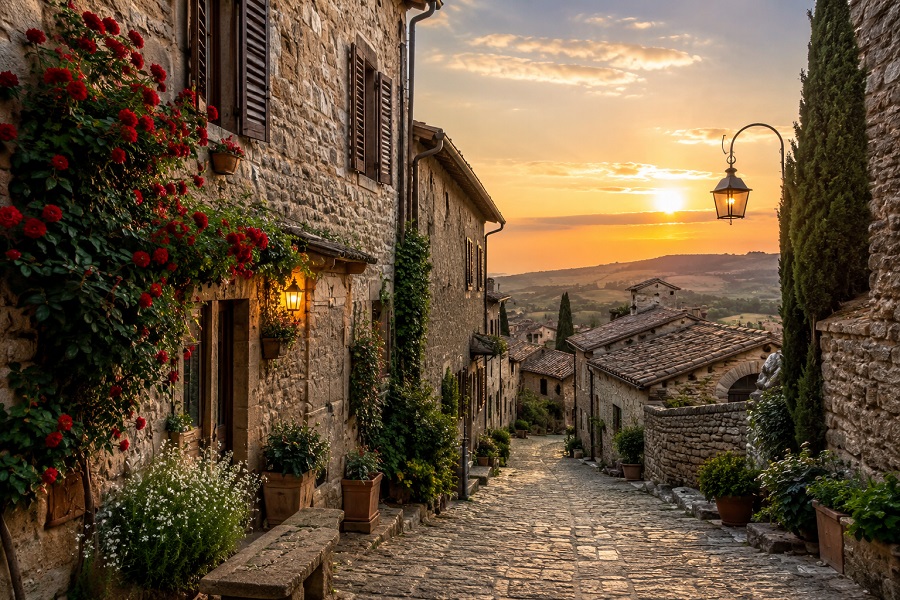
Historical Villages Tourism focuses on visiting settlements that have maintained their historical character, cultural traditions, and architectural heritage. These villages often feature centuries-old buildings, cobblestone streets, traditional crafts, local festivals, and authentic cultural experiences.
Visitors can explore living museums where history continues to be part of everyday life.
Why Historical Villages Tourism is Growing
Cultural Preservation
Tourism helps support the conservation of historic buildings, monuments, and cultural traditions.
Authentic Experiences
Travelers increasingly seek genuine cultural encounters instead of mass tourism destinations.
Educational Value
Historical villages offer opportunities to learn about local history, architecture, customs, and traditions.
Sustainable Tourism
Many heritage villages promote community-based tourism that benefits local residents and preserves cultural assets.
Popular Activities in Historical Villages
Heritage Walking Tours
Explore ancient streets, historic homes, churches, temples, and community landmarks.
Traditional Craft Workshops
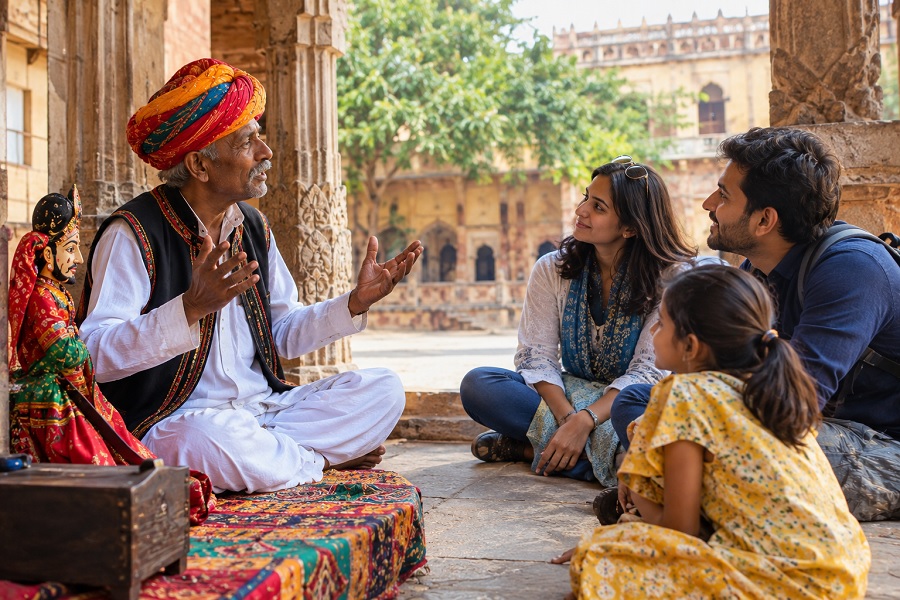
Learn pottery, weaving, wood carving, embroidery, and other traditional skills.
Cultural Festivals
Participate in seasonal celebrations, folk performances, and historical reenactments.
Local Culinary Experiences
Taste authentic regional dishes prepared using traditional recipes.
Photography Tourism
Capture unique architecture, landscapes, and cultural traditions.
Village Homestays
Stay with local families and experience traditional lifestyles firsthand.
Famous Historical Villages Around the World
Hallstatt, Austria
Known for its stunning alpine scenery and centuries-old architecture.
Shirakawa-go, Japan
A UNESCO-recognized village famous for its traditional gassho-zukuri farmhouses.
Bibury, England
One of England's most picturesque villages with historic stone cottages.
Giethoorn, Netherlands
A charming village featuring canals instead of roads.
Alberobello, Italy
Renowned for its unique trulli houses and rich cultural heritage.
Mawlynnong, India
A beautiful heritage village known for its cleanliness and traditional culture.
Benefits for Local Communities
Historical village tourism creates employment opportunities, supports small businesses, promotes cultural preservation, and encourages younger generations to maintain traditional customs and crafts.
The revenue generated through tourism often contributes to infrastructure improvements and heritage restoration projects.
Future Trends in Historical Villages Tourism
Smart heritage tourism
Virtual cultural experiences
Sustainable tourism initiatives
Community-led tourism projects
Heritage conservation programs
Cultural storytelling experiences
Eco-friendly village tourism
Digital heritage interpretation
Travel Tips for Visitors
Respect local customs and traditions.
Support local artisans and businesses.
Follow village conservation guidelines.
Travel during cultural festivals for unique experiences.
Hire local guides for deeper cultural insights.
Practice responsible and sustainable tourism.
Conclusion
Historical Villages Tourism offers travelers a rare opportunity to connect with the past while supporting cultural preservation and local communities. Whether wandering through ancient streets, participating in traditional festivals, or learning centuries-old crafts, visitors can experience living history in its most authentic form.
As demand for meaningful travel continues to grow, historical villages are becoming important destinations that preserve heritage while creating memorable experiences for future generations.