Hemis National Park, Ladakh: The Crown Jewel of the Himalayas
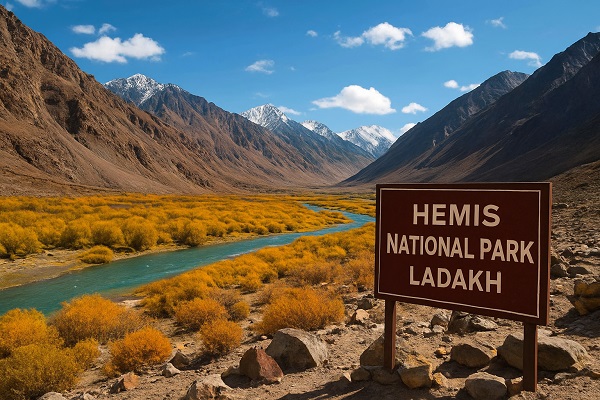
Nestled in the rugged, high-altitude terrain of Ladakh in the northernmost part of India, Hemis National Park is one of the most spectacular and unique wildlife sanctuaries in the world. Spread over approximately 4,400 square kilometers, it is not only the largest national park in India but also renowned globally for being one of the last refuges of the elusive and endangered snow leopard.
Geography and Climate
Hemis National Park is located about 180 kilometers southeast of Leh, the capital of Ladakh. It encompasses a vast range of altitudes, from around 3,000 meters (9,800 feet) to over 6,000 meters (19,700 feet), resulting in varied landscapes—from arid mountain slopes and deep river valleys to alpine meadows.
The climate here is harsh, characterized by long, cold winters with heavy snowfall and short, mild summers. Due to the high altitude and dry conditions, the park features a unique ecosystem with sparse but resilient vegetation, including juniper, birch, and willow trees, as well as various alpine shrubs and grasses.
Flora and Fauna
Despite its harsh environment, Hemis National Park is teeming with remarkable biodiversity. It is especially famous for its rare and endangered species:
Snow Leopard: The park is one of the few places in the world where this elusive big cat can still be found. Snow leopards are incredibly elusive, with thick fur and remarkable camouflage, making sightings extremely rare but highly prized among wildlife enthusiasts and researchers.
Himalayan Blue Sheep (Bharal): These agile animals are a primary prey for the snow leopard and are commonly found grazing on the park's slopes.
Tibetan Wolf: Another apex predator of the region, wolves in Hemis are adapted to the cold and rugged environment.
Ladakh Urial (a wild sheep): Known for its curved horns and sturdy build, this species roams the rocky terrains.
Tibetan Gazelle, Red Fox, Eurasian Lynx, and various birds such as the Golden Eagle and Lammergeier Vulture add to the park’s rich fauna.
The flora, though limited by the altitude and climate, supports the ecosystem. Alpine meadows bloom with wildflowers in summer, and hardy shrubs and herbs provide food for herbivores.
Cultural Significance
Hemis National Park surrounds the famous Hemis Monastery, one of the largest and wealthiest monasteries in Ladakh, founded in the 17th century. The annual Hemis Festival, celebrated in the monastery, draws many tourists and pilgrims and adds a cultural richness to the natural beauty of the region.
Local communities living around the park follow traditional lifestyles that are closely linked with the environment, practicing pastoralism and small-scale agriculture. Their coexistence with wildlife, particularly the snow leopard, is a vital part of conservation efforts.
Conservation Challenges
Hemis National Park faces several challenges, including:
Human-Wildlife Conflict: As local herders graze their livestock within and near the park, occasional predation by snow leopards causes conflicts.
Climate Change: The fragile Himalayan ecosystem is vulnerable to climate shifts, affecting water availability, vegetation patterns, and wildlife behavior.
Poaching and Illegal Trade: Although controlled, there remains a threat of poaching for fur, horns, and other animal parts.
Efforts by the Indian government and NGOs focus on habitat preservation, scientific research, community awareness, and promoting eco-tourism to protect this precious landscape.
Tourism and Visiting Hemis National Park
For travelers and nature lovers, Hemis National Park offers an extraordinary experience. Trekking through its remote valleys, spotting wildlife, and witnessing the stark beauty of Ladakh’s mountains are unforgettable adventures.
Popular trekking routes include the Markha Valley trek, which traverses parts of the park, providing breathtaking views and opportunities to glimpse wildlife. The best time to visit is between June and September when the weather is milder and wildlife activity peaks.
Conclusion
Hemis National Park stands as a testament to nature’s resilience and beauty amidst one of the world’s most extreme environments. It is a sanctuary not only for rare wildlife like the snow leopard but also a symbol of harmonious coexistence between humans and nature. Protecting and preserving this pristine Himalayan wilderness is crucial for future generations to experience its magic.