Nature and Nurture: The Heart of Ecotourism

What is Ecotourism?
Ecotourism is a form of sustainable travel aimed at experiencing natural areas with minimal environmental impact. It promotes conservation, education, and respect for the culture and biodiversity of destinations. Unlike mass tourism, ecotourism encourages travelers to be mindful of their footprint and contribute positively to the places they visit.
Core Principles of Ecotourism
Environmental Conservation: Protecting natural habitats, wildlife, and ecosystems is the cornerstone of ecotourism.
Community Involvement: Empowering local communities through economic opportunities and cultural exchange is essential.
Education: Raising awareness about environmental issues and local traditions enhances traveler understanding and respect.
Sustainability: Minimizing waste, reducing carbon emissions, and supporting eco-friendly businesses ensure long-term preservation.
Why Choose Ecotourism?
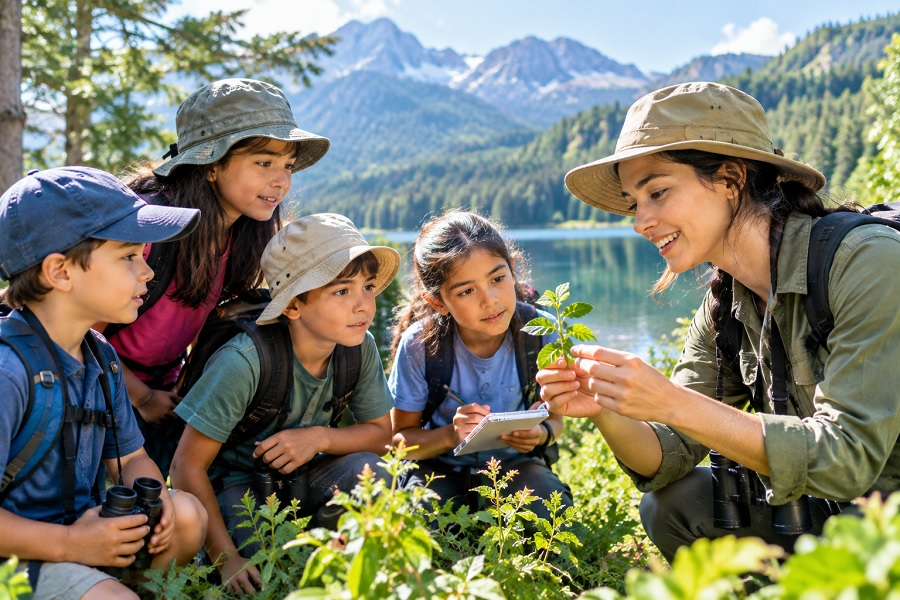
Meaningful Experiences: Ecotourism offers deeper engagement with nature, from guided wildlife tours to hiking in pristine forests.
Support for Conservation: Tourist dollars often fund conservation projects and protected areas.
Cultural Respect: Travelers learn about and honor indigenous cultures and traditions.
Reduced Environmental Impact: By choosing eco-friendly accommodations and transportation, ecotourists help reduce pollution and resource depletion.
Popular Ecotourism Destinations
Costa Rica: Famous for its rich biodiversity, rainforests, and commitment to conservation.
Galápagos Islands, Ecuador: Offers unique wildlife encounters with strict visitor guidelines.
Kenya and Tanzania: Renowned for sustainable safaris supporting wildlife conservation.
Bhutan: Promotes “Gross National Happiness” through eco-friendly tourism and cultural preservation.
India: Home to several national parks like Kaziranga and Periyar that encourage eco-conscious tourism.
Activities in Ecotourism
Wildlife watching and photography
Trekking and hiking in protected areas
Visiting community-run eco-lodges
Participating in conservation volunteering
Learning traditional crafts and customs
Challenges and the Future
While ecotourism has grown, challenges like overtourism, greenwashing, and cultural commodification remain. The future lies in stricter regulations, authentic community involvement, and traveler education to ensure ecotourism truly benefits both people and planet.