Gujarati Food Tourism: A Delicious Journey Through Traditional Gujarati Cuisine and Culture
Gujarati Food Tourism: Exploring the Flavours and Culinary Heritage of Gujarat
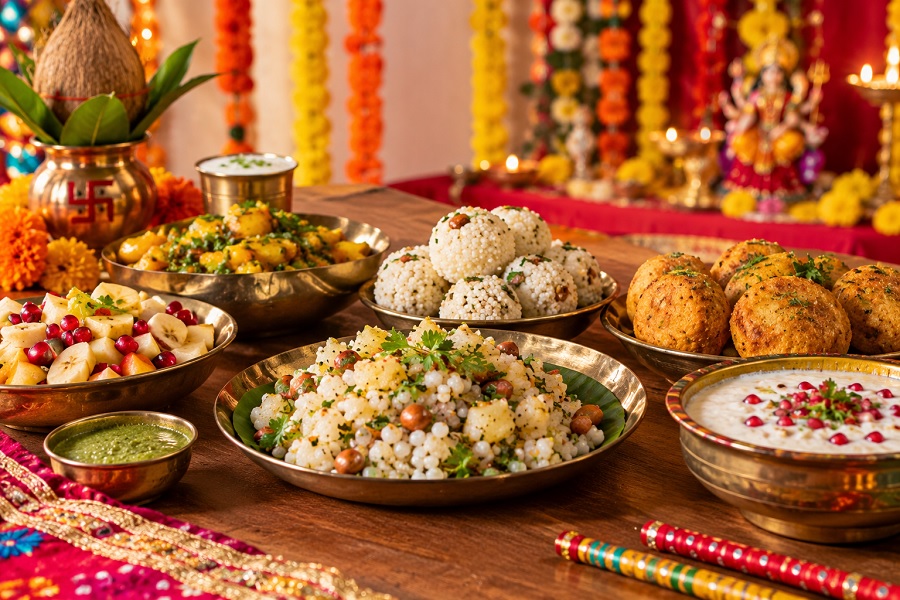
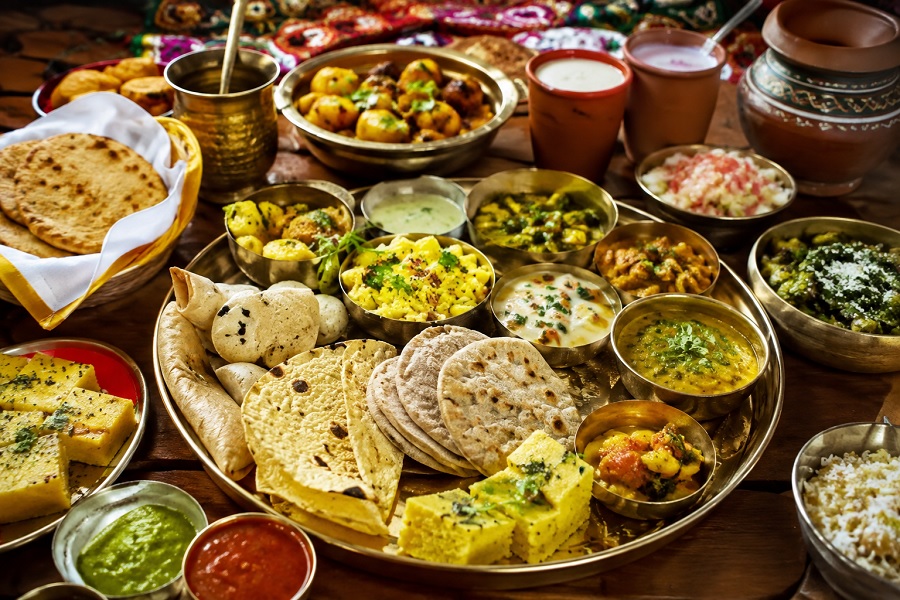
Gujarati Food Tourism offers travelers an opportunity to explore Gujarat through its distinctive vegetarian cuisine, traditional cooking methods, regional specialties, snacks, sweets, spices, and vibrant food culture. From the famous Gujarati thali and soft dhokla to handvo, fafda, jalebi, thepla, undhiyu, and a wide variety of farsan, Gujarat provides a rich culinary journey for food lovers.
Food is closely connected with Gujarati culture, festivals, family traditions, community gatherings, and everyday life. For visitors, exploring local cuisine can become an important part of discovering the state's history and cultural identity.
What Is Gujarati Food Tourism?
Gujarati Food Tourism is travel centered around experiencing the traditional and contemporary food culture of Gujarat. It can include visiting local restaurants, traditional eateries, street-food markets, food festivals, sweet shops, farms, spice markets, and heritage neighborhoods.
Travelers can also participate in cooking workshops, explore regional food traditions, and learn how traditional Gujarati dishes are prepared.
Gujarati cuisine is generally known for its diverse vegetarian dishes, balanced flavours, snacks, sweets, and creative use of seasonal ingredients.
Why Gujarati Food Tourism Is Popular
Gujarat offers a wide variety of culinary experiences within a relatively diverse geographical and cultural landscape.
Food tourists can enjoy:
Traditional Gujarati thalis
Street-food tours
Farsan tasting
Traditional sweets
Regional specialties
Local snacks
Home-style meals
Food festivals
Cooking demonstrations
Farm-to-table experiences
The combination of food, hospitality, culture, and local traditions makes Gujarati cuisine attractive to both domestic and international travelers.
Famous Gujarati Foods to Try
1. Gujarati Thali
The Gujarati thali is one of the best-known culinary experiences in the state. A traditional thali can include vegetables, dal, kadhi, roti, rice, farsan, chutneys, pickles, salads, sweets, and other accompaniments.
The exact dishes vary according to season, region, restaurant, and family tradition.
2. Dhokla
Dhokla is one of Gujarat's most recognizable foods. Its soft texture and light preparation have made it popular well beyond the state.
Travelers can discover different varieties of dhokla at local breakfast shops, snack centers, and restaurants.
3. Thepla
Thepla is a popular flatbread commonly associated with Gujarati cuisine. It is often prepared using spices and ingredients such as fenugreek leaves and can be enjoyed with yogurt, pickles, chutneys, or vegetables.
4. Undhiyu
Undhiyu is a traditional mixed vegetable preparation particularly associated with Gujarat. It is strongly connected with seasonal food traditions and is especially popular during winter and festive occasions.
5. Fafda and Jalebi
Fafda and jalebi are a much-loved combination, particularly associated with festive and weekend food culture in Gujarat. The contrast between savory fafda and sweet jalebi creates a distinctive culinary experience.
6. Khandvi
Khandvi consists of delicate gram-flour rolls with a soft texture and is often garnished with spices, coconut, coriander, or other traditional toppings.
7. Handvo
Handvo is a savory baked or cooked snack made using a fermented batter and commonly combined with vegetables and spices. It is an excellent example of Gujarat's traditional snack culture.
8. Farsan
Farsan represents a broad category of Gujarati savory snacks. Travelers can discover numerous varieties at traditional food shops and restaurants.
Regional Gujarati Food Experiences
Gujarati cuisine varies across different parts of the state.
Ahmedabad
Ahmedabad offers a wide range of traditional restaurants, street-food destinations, snack shops, markets, and modern interpretations of Gujarati cuisine.
Food travelers can explore local breakfast dishes, farsan, sweets, thalis, and street-food experiences.
Surat
Surat is well known for its vibrant food culture and extensive variety of snacks and local specialties. A food-focused visit can include street-food walks and visits to traditional eateries.
Vadodara
Vadodara offers opportunities to explore Gujarati snacks, sweets, thalis, and local food markets alongside its cultural and heritage attractions.
Rajkot and Saurashtra
The Saurashtra region has its own distinctive culinary traditions. Travelers can explore regional breads, snacks, vegetables, pickles, and other traditional preparations.
Kutch
Kutch provides a different cultural and culinary experience, with food traditions connected to local communities, geography, climate, and traditional lifestyles.
Gujarati Street Food Tourism
Street food is an important part of the Gujarati food experience. Local markets and food streets can provide visitors with an opportunity to observe everyday culinary life.
Popular foods to explore include:
Dhokla
Khandvi
Fafda
Jalebi
Kachori
Sev
Gathiya
Dabeli
Handvo
Various farsan
Visitors should choose hygienic food establishments and consider local guidance when trying unfamiliar foods.
Gujarati Sweet Tourism
Gujarat has a strong tradition of sweets and festive foods.
Travelers can explore traditional sweet shops and discover items such as:
Mohanthal
Basundi
Shrikhand
Jalebi
Sutarfeni
Ghevar
Peda
Traditional Gujarati mithai
Sweet-shop visits can easily become part of a larger culinary itinerary.
Food Festivals and Cultural Celebrations
Food plays an important role in Gujarati celebrations and festivals. Visitors can experience special seasonal dishes during occasions such as Navratri, Uttarayan, Diwali, and other regional celebrations.
During festivals, traditional food preparation becomes closely connected with family gatherings, community celebrations, and cultural practices.
Travelers should participate respectfully and follow local customs when visiting during religious or community events.
Gujarati Food Tourism and Culture
Gujarati food reflects more than taste. It can reveal stories about family traditions, local agriculture, trade, festivals, community life, and regional identity.
Traditional recipes are often passed between generations, with variations developing according to household preferences and local ingredients.
Food tourism provides travelers with an opportunity to understand these traditions through direct experiences.
Vegetarian Food Tourism
Gujarati cuisine offers extensive opportunities for vegetarian food travelers. Traditional menus can include vegetables, lentils, grains, dairy products, breads, snacks, salads, pickles, chutneys, and sweets.
This makes Gujarat an attractive destination for travelers looking to explore a wide variety of vegetarian cuisine.
Gujarati Food Tourism for Families
Families can enjoy Gujarati cuisine through interactive and educational experiences.
Children can:
Visit local food markets
Learn about spices and ingredients
Participate in cooking workshops
Try regional snacks
Visit traditional sweet shops
Learn how a Gujarati thali is prepared
Food experiences can therefore become both entertaining and educational.
Gujarati Food Tourism for Couples
Couples can combine food exploration with cultural sightseeing. A culinary itinerary can include a traditional dinner, food-market walk, cooking class, heritage tour, and local dessert experience.
Trying unfamiliar dishes together can also make a cultural trip more memorable.
Sustainable Gujarati Food Tourism
Sustainable food tourism can support local farmers, small restaurants, food producers, artisans, and traditional businesses.
Travelers can contribute by:
Choosing locally owned restaurants
Buying regional food products
Supporting small food producers
Avoiding unnecessary food waste
Carrying reusable bags
Choosing seasonal ingredients
Respecting local food traditions
This approach can help keep tourism benefits within local communities.
Tips for Exploring Gujarati Cuisine
Travelers can make their culinary journey more enjoyable by following a few simple guidelines:
Try traditional dishes at reputable local restaurants.
Ask locals about regional specialties.
Explore food markets during appropriate hours.
Try seasonal dishes.
Sample small portions when trying unfamiliar foods.
Check ingredients if you have food allergies or dietary restrictions.
Carry drinking water during food walks.
Respect local dining customs.
Buy authentic regional food products.
Leave room for desserts and traditional sweets.
Best Gujarati Food Tourism Experiences
A complete Gujarati culinary itinerary can combine several experiences:
Gujarati thali dinner
Ahmedabad food walk
Surat street-food tour
Traditional sweet-shop visit
Farsan tasting
Gujarati cooking class
Local market exploration
Farm-to-table meal
Festival food experience
Regional food shopping
Combining food with heritage, culture, shopping, and sightseeing allows travelers to experience Gujarat from multiple perspectives.
The Future of Gujarati Food Tourism
Gujarati Food Tourism has strong potential to grow as travelers increasingly search for authentic regional cuisine and cultural experiences. Food walks, cooking classes, farm visits, culinary festivals, heritage restaurants, and community-led food experiences can create new opportunities for local tourism businesses.
Digital platforms and social media are also making regional dishes more visible to travelers around the world. At the same time, preserving traditional recipes and supporting local food producers will remain important for maintaining the authenticity of Gujarati culinary tourism.
Conclusion
Gujarati Food Tourism is a flavorful way to discover the culture, traditions, hospitality, and regional diversity of Gujarat. From Gujarati thalis and farsan to street food, sweets, seasonal dishes, and home-style cooking, the state's cuisine offers something for almost every food traveler.
A journey through Gujarat becomes even more memorable when visitors go beyond famous dishes and discover the stories, ingredients, people, and traditions behind them.
For food lovers in 2026, Gujarati Food Tourism provides an opportunity to taste authentic regional cuisine while experiencing the cultural richness of one of India's most distinctive culinary destinations.