Global Art Gallery Tourism: Discovering the World Through Art and Culture
Global Art Gallery Tourism: Exploring the World Through Art and Culture
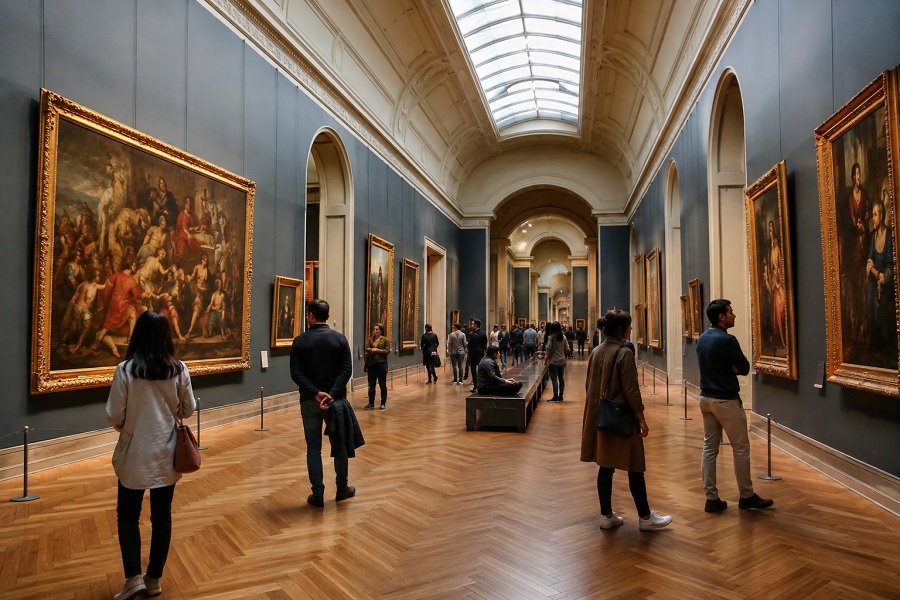
Global Art Gallery Tourism is becoming an increasingly attractive form of cultural travel, bringing together international tourism, visual arts, heritage, creativity, architecture, and local culture. Instead of traveling only for beaches, landmarks, or entertainment, art-focused travelers build their journeys around museums, contemporary galleries, exhibitions, art fairs, artist studios, cultural districts, and creative neighborhoods.
Art tourism is also becoming more diverse. Travelers are increasingly interested in immersive exhibitions, contemporary art, digital art, public art, local artists, and culturally meaningful experiences rather than simply visiting famous institutions. Recent 2026 research highlights strong interest in art destinations and continued growth in the broader art-tourism sector.
What Is Global Art Gallery Tourism?
Global Art Gallery Tourism refers to traveling internationally to discover, experience, and appreciate art. It can involve visits to traditional museums and galleries as well as independent exhibition spaces, contemporary-art centers, artist workshops, art fairs, street-art districts, and cultural festivals.
The experience can range from viewing historic paintings in European galleries to discovering contemporary Asian artists, visiting African art spaces, exploring Latin American creative neighborhoods, or experiencing digital installations in major international cities.
Cultural tourism has long been recognized as an important connection between tourism, cultural preservation, creative industries, and local economic development.
Why Art Gallery Tourism Is Growing
Several factors are contributing to the popularity of art-focused travel.
1. Travelers Want Meaningful Experiences
Many travelers now want their holidays to provide learning, inspiration, and personal enrichment. An art gallery can offer an opportunity to understand a country's history, identity, traditions, social changes, and contemporary culture.
2. Art and Travel Are Becoming More Connected
Art exhibitions, international art fairs, cultural festivals, and new gallery openings increasingly influence destination choices. In 2026, travel experts are highlighting art and cultural immersion as important motivations for destination selection.
3. Digital Discovery Is Influencing Physical Visits
Social media has become a major discovery channel for younger art audiences. A 2026 survey found that 84% of respondents used Instagram to discover new art, while 68% said social-media posts had directly motivated them to visit museums.
This creates an interesting relationship between digital media and physical tourism: travelers may discover an artwork online, become interested in an artist, and eventually travel internationally to experience the exhibition in person.
Major Types of Global Art Gallery Tourism
Contemporary Art Tourism
Contemporary galleries provide opportunities to explore modern painting, sculpture, photography, installation art, video art, performance, and experimental creative work.
Historical Art Tourism
Travelers can explore masterpieces connected to different civilizations and artistic movements, including Renaissance, Baroque, Impressionist, modernist, and other historical traditions.
Digital Art Tourism
Digital installations, interactive exhibitions, projection mapping, artificial intelligence-generated works, and immersive environments are adding new dimensions to gallery experiences. Digital art is increasingly integrated into the contemporary art ecosystem.
Street Art Tourism
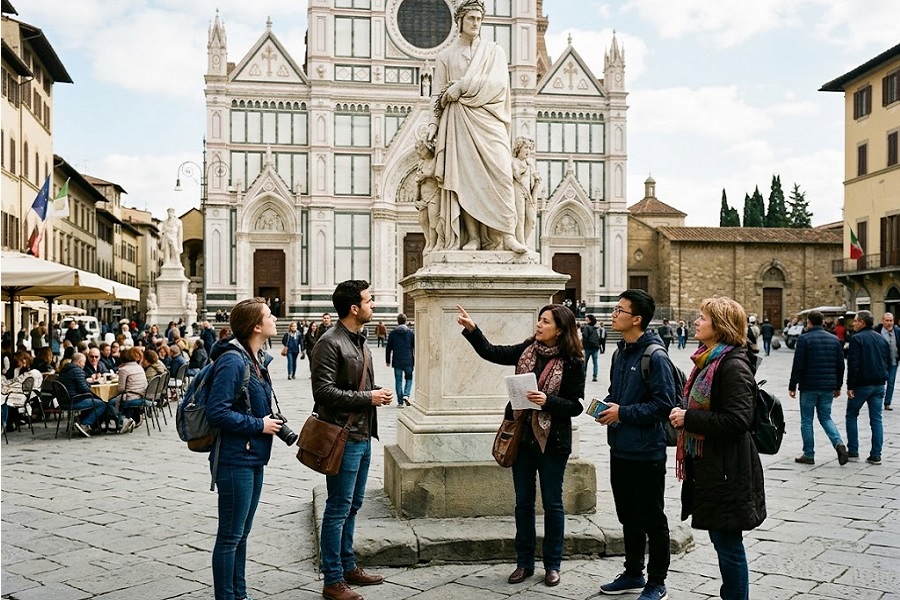
Cities around the world have transformed murals, graffiti, public sculptures, and creative neighborhoods into tourism attractions. Street-art tours can introduce visitors to local artists and the social history of a neighborhood.
Art Fair Tourism
International art fairs can become major travel motivations for collectors, artists, galleries, designers, and art enthusiasts. They also create opportunities for hotels, restaurants, transportation companies, and local businesses.
Artist Studio Tourism
Visiting artist studios can provide travelers with a closer understanding of creative processes. These experiences can be particularly valuable when artists demonstrate traditional techniques or locally significant crafts.
Popular International Art Destinations
Global art tourism extends across numerous regions.
Europe is particularly important for travelers interested in classical art, modern art, architecture, museums, galleries, and historic cultural institutions. Cities such as Paris, London, Madrid, Rome, Florence, Amsterdam, Berlin, Vienna, and Barcelona offer extensive art experiences.
North America combines major museums with contemporary galleries, art fairs, public art, photography, and creative districts. New York, Los Angeles, Chicago, Miami, Toronto, and Mexico City are important examples.
Asia offers an increasingly diverse art-tourism landscape, including traditional Asian art, contemporary galleries, digital art, design, calligraphy, crafts, and emerging creative districts. The Asia-Pacific region has been identified as a particularly significant part of the art-tourism market.
Africa provides opportunities to experience contemporary African art, traditional artistic heritage, photography, sculpture, crafts, and community-based creative initiatives.
Latin America combines indigenous traditions, colonial heritage, contemporary art, murals, photography, design, and vibrant cultural neighborhoods.
The Role of New Museums and Galleries
New cultural institutions can significantly influence tourism patterns. Recent museum-visitor reporting indicates strong interest in some newly opened venues, particularly in regions such as Asia and Latin America.
For destinations, this creates an opportunity to develop complete cultural tourism ecosystems around galleries and museums rather than treating them as isolated attractions.
A successful art district can connect:
Art galleries
Museums
Artist studios
Boutique hotels
Cafés and restaurants
Cultural festivals
Walking tours
Design stores
Local handicraft markets
Public art
Performance venues
This encourages visitors to stay longer and spend more within the local economy.
Art Gallery Tourism and Local Communities
Responsible art tourism should benefit local communities rather than simply increasing visitor numbers.
Local artists, craftspeople, cultural organizations, guides, restaurants, accommodation providers, and creative businesses can participate in the tourism ecosystem. This approach can help distribute tourism income while giving visitors a more authentic understanding of the destination.
UN Tourism has emphasized that cultural tourism should support cultural preservation, inclusive development, and host communities.
Technology and the Future of Art Tourism
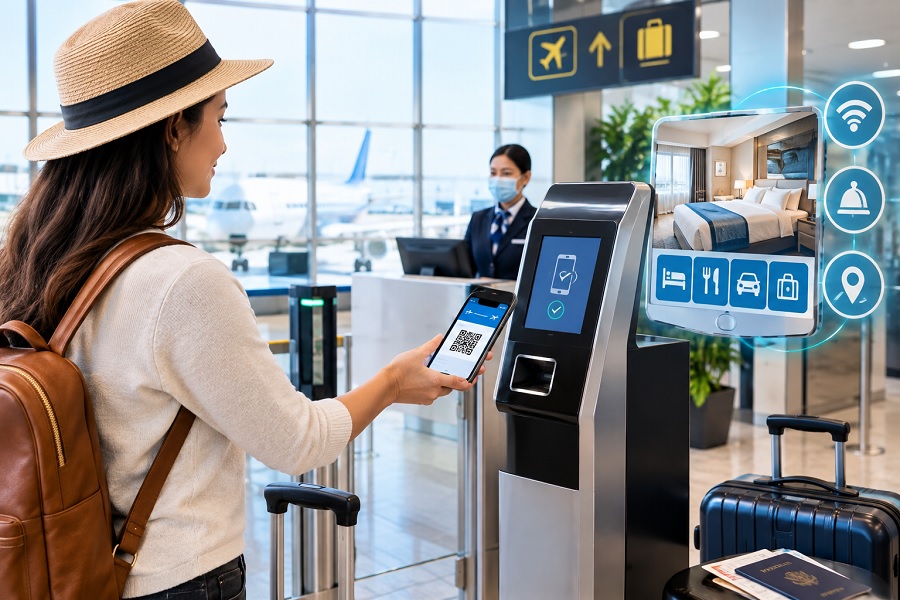
Technology is changing how travelers discover and experience galleries.
Future-oriented art tourism can include:
AI-powered exhibition recommendations
Digital museum guides
Multilingual audio guides
Augmented-reality artwork information
Virtual gallery previews
Interactive exhibitions
Digital maps of art districts
Online ticketing
Personalized cultural itineraries
Immersive projection exhibitions
Digital artist archives
However, technology should enhance rather than replace the physical experience. The opportunity is to use digital tools to make art more accessible while preserving the authenticity of the cultural experience.
Art Tourism and Younger Travelers
Younger travelers are particularly important to the future of global art tourism. Digital platforms can introduce them to artists and exhibitions before they travel.
The 2026 New Generation Survey found that nearly two-thirds of younger art audiences use Instagram as a primary discovery channel, while many also discover art through museums, word of mouth, press, and TikTok.
This suggests that galleries can attract international visitors by combining excellent physical exhibitions with strong digital storytelling.
Economic Importance
Art tourism contributes to a wider tourism economy. Visitors who travel for exhibitions may spend money on accommodation, restaurants, transportation, shopping, tours, cultural events, and local experiences.
One industry estimate values the global art-tourism market at approximately $48 billion in 2026, with continued growth projected through 2030.
The wider global art market also showed renewed growth in 2025, with Art Basel and UBS reporting estimated sales of $59.6 billion, up 4% year over year.
Sustainable Global Art Gallery Tourism
Sustainability should be an important part of future art tourism.
Galleries and destinations can encourage sustainable travel by:
Promoting public transportation
Creating walking art tours
Supporting local artists
Reducing unnecessary exhibition waste
Using energy-efficient facilities
Encouraging longer stays instead of rapid city-hopping
Supporting community cultural organizations
Managing visitor numbers at overcrowded attractions
Promoting lesser-known galleries
Protecting cultural heritage
Distributing visitors among multiple galleries and neighborhoods can also reduce pressure on the most famous cultural attractions.
Tips for Planning an International Art Gallery Trip
Travelers planning an art-focused international holiday should research exhibitions before departure because temporary exhibitions can have specific dates.
It is useful to:
Identify the main galleries and museums.
Check exhibition dates and opening hours.
Reserve popular exhibitions in advance.
Research local art districts.
Include independent galleries alongside famous institutions.
Look for artist-led tours and workshops.
Explore public art and creative neighborhoods.
Learn about local artistic traditions.
Allow enough time for each gallery.
Combine art experiences with local food, architecture, and culture.
Future Trends in Global Art Gallery Tourism
The future of art tourism is likely to become increasingly experiential. Travelers may seek interactive exhibitions, artist encounters, cultural workshops, immersive digital installations, and behind-the-scenes experiences.
Another important development is the increasing connection between art, hospitality, architecture, and luxury travel. Art events can become travel experiences in themselves, particularly for visitors seeking exclusive cultural experiences.
At the same time, destinations will have opportunities to promote emerging artists and lesser-known galleries instead of concentrating tourism exclusively around globally famous institutions.
Conclusion
Global Art Gallery Tourism offers travelers a unique way to discover the world through creativity, history, identity, and culture. From traditional masterpieces and contemporary galleries to street art, digital installations, artist studios, and international art fairs, the sector provides an enormous range of experiences.
The strongest future opportunities will come from combining art, technology, sustainability, local communities, hospitality, and authentic cultural experiences. As travelers increasingly seek meaningful and personalized journeys, art galleries can become much more than places to view paintings—they can become gateways to understanding the people, stories, creativity, and cultural identity of destinations around the world.