International Art Tourism: Discovering the World Through Art and Culture
International Art Tourism: Exploring Global Art, Culture, and Creative Heritage
Introduction
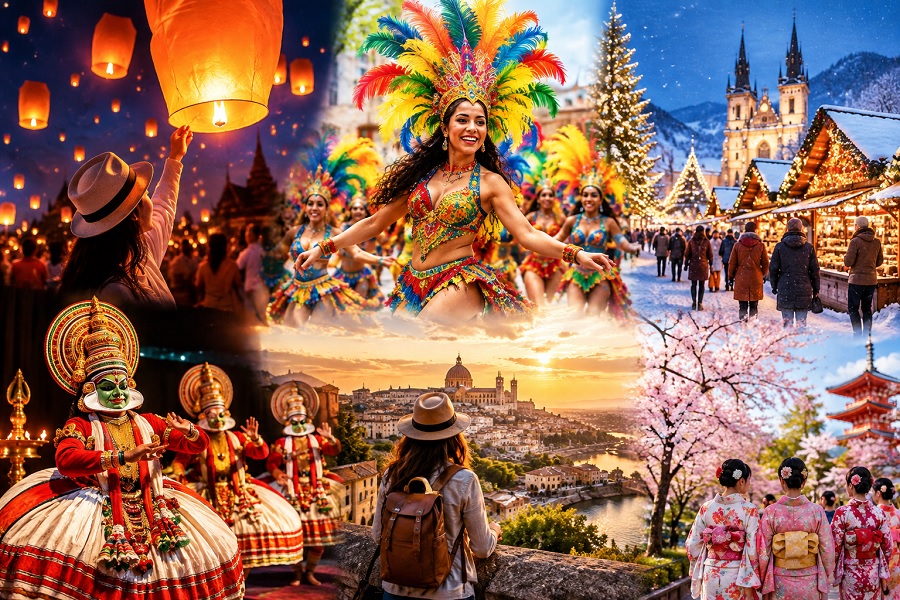
International Art Tourism is a form of cultural tourism in which travelers visit destinations to experience paintings, sculptures, architecture, galleries, museums, art festivals, public art, traditional crafts, contemporary exhibitions, and other forms of creative expression.
Art can be a powerful reason to travel internationally. A visitor may choose Paris for its museums and galleries, Florence for Renaissance art, Venice for its Biennale, New York for its contemporary art scene, Tokyo for its combination of traditional and modern creativity, or Mexico City for its museums, murals, and cultural spaces.
Museums are important parts of this tourism ecosystem. UNESCO describes museums as institutions that preserve, research, communicate, and exhibit tangible and intangible heritage, while also contributing to creative economies, tourism, employment, education, and intercultural dialogue.
What Is International Art Tourism?
International Art Tourism involves traveling across countries or regions specifically to experience artistic and creative attractions.
These experiences can include:
Art museums
Contemporary art galleries
Public art installations
Art festivals
International biennales
Sculpture parks
Historic architecture
Street art
Traditional crafts
Art workshops
Artist studios
Cultural exhibitions
Photography exhibitions
Indigenous art experiences
Performing arts events
It can involve both famous institutions and smaller community-based art spaces.
Why International Art Tourism Is Growing
Travelers increasingly want experiences that connect them with the identity and creativity of a destination. Art provides a way to understand how societies express their history, beliefs, values, conflicts, traditions, and contemporary ideas.
UNESCO notes that museums and heritage sites can act as platforms for intercultural dialogue and understanding, allowing visitors to engage with different histories and worldviews.
International art tourism can therefore offer more than sightseeing. It can create opportunities for cultural learning and meaningful interaction.
Popular International Art Tourism Experiences
1. World-Class Art Museums
Major art museums are among the most popular attractions for international art travelers.
Visitors can explore collections covering:
Classical art
Renaissance art
Modern art
Contemporary art
Asian art
African art
Indigenous art
Decorative arts
Photography
Sculpture
Large museums can also provide temporary exhibitions that give travelers a reason to return to a destination.
2. Contemporary Art Galleries
Contemporary galleries showcase the work of current artists and provide insight into modern artistic movements.
Travelers can discover painting, sculpture, installation art, digital art, photography, video art, and experimental creative practices.
Gallery districts can also become important tourism neighborhoods, combining art with cafés, restaurants, design stores, and cultural venues.
3. International Art Biennales
Art biennales are major international events that bring artists, curators, collectors, critics, and visitors together.
They can transform entire cities into cultural destinations by placing exhibitions in museums, historic buildings, public spaces, and temporary venues.
UNESCO has highlighted the growth of art biennales and their role in destination development and international cultural tourism.
4. Street Art Tourism
Street art offers travelers an opportunity to experience creativity outside traditional museums.
Visitors can explore:
Murals
Graffiti
Public sculptures
Community art
Urban installations
Creative neighborhoods
Street-art tours can also reveal local social history and contemporary cultural movements.
5. Artist Studio Tours
Visiting an artist's studio can provide a more personal understanding of the creative process.
Travelers may observe:
Painting techniques
Sculpture creation
Printmaking
Pottery
Textile production
Traditional crafts
Contemporary design
Where studio visits are available to tourists, visitors should respect the artist's workspace and ask before taking photographs.
Art Tourism in Europe
Europe has a particularly strong international art tourism network because of its historic museums, galleries, architecture, public art, cultural institutions, and long artistic traditions.
France
Paris is a major destination for travelers interested in painting, sculpture, architecture, photography, fashion, and contemporary art.
Visitors can combine museum visits with gallery districts, historic architecture, public art, and temporary exhibitions.
Italy
Italy offers extensive opportunities to experience Renaissance, Baroque, classical, modern, and contemporary art.
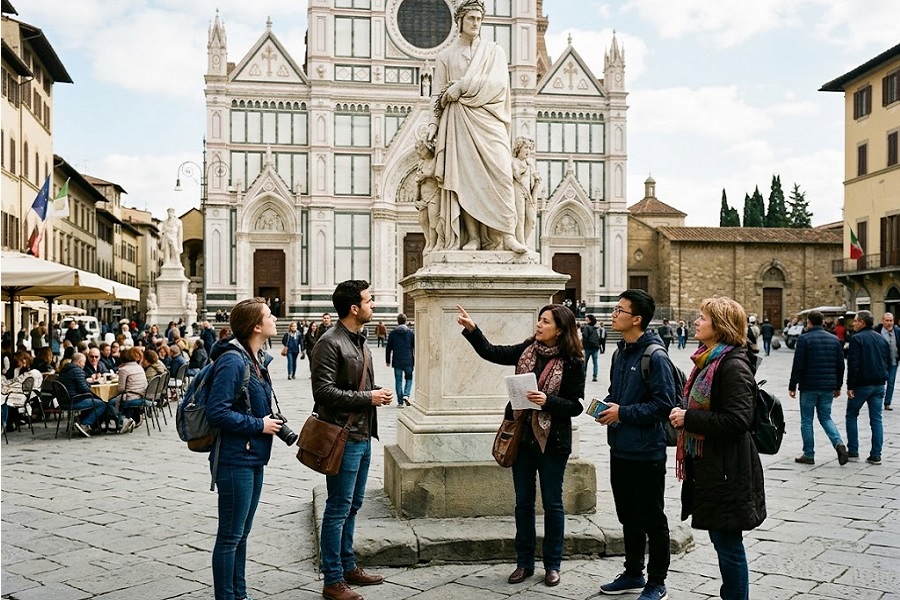
Cities such as Florence, Rome, Venice, and Milan offer different artistic identities.
Spain
Spain combines historic art with modern museums, architecture, public art, and contemporary cultural spaces.
Netherlands
Amsterdam and other Dutch destinations offer opportunities to explore historic painting, modern art, design, photography, and creative neighborhoods.
Art Tourism in Asia
Asia offers an increasingly diverse international art tourism landscape combining traditional art with contemporary creativity.
Japan
Japan provides experiences ranging from traditional ceramics, calligraphy, woodblock printing, gardens, and crafts to contemporary museums, digital art, and architecture.
South Korea
South Korea combines traditional Korean artistic heritage with contemporary galleries, design, digital creativity, and major cultural districts.
India
India offers a broad range of artistic traditions, including painting, sculpture, textiles, handicrafts, architecture, folk art, classical performing arts, and contemporary art.
Visitors can explore museums, craft villages, galleries, cultural festivals, historic buildings, and artist communities.
Art Tourism in the Middle East
The Middle East has become an increasingly important destination for art, culture, architecture, and creative tourism.
New cultural districts, museums, galleries, heritage sites, and art programs are creating opportunities for international visitors.
Saudi Arabia's AlUla is one example of a destination developing a long-term cultural and creative tourism model. UNESCO describes its current work with local partners as an effort to connect heritage, contemporary culture, nature tourism, intercultural learning, and sustainable development.
Art Tourism in the Americas
North and South America offer a broad mixture of traditional, Indigenous, modern, contemporary, and urban art experiences.
Travelers can explore:
Museum districts
Latin American art
Indigenous art
Street murals
Modern architecture
Photography
Contemporary installations
Craft traditions
Art festivals
Cities can use art to create distinctive tourism identities and encourage visitors to explore neighborhoods beyond traditional attractions.
Art Festivals and Cultural Events
Art festivals can be powerful tourism attractions because they combine exhibitions with performances, workshops, public installations, lectures, food, and community activities.
International travelers can plan trips around:
Art festivals
Biennales
Sculpture exhibitions
Photography festivals
Design weeks
Craft fairs
Cultural celebrations
Architecture events
Public-art programs
These events can provide a deeper understanding of the destination's creative identity.
Art and Heritage Tourism
Art tourism frequently overlaps with heritage tourism.
Historic buildings, monuments, traditional crafts, cultural landscapes, and museum collections can all contribute to the artistic identity of a destination.
UNESCO's World Heritage and Sustainable Tourism Programme emphasizes integrating tourism planning with heritage management so that cultural assets are protected while visitors and local communities benefit from tourism.
Traditional Craft Tourism
International art tourism is not limited to fine art.
Travelers can explore traditional craftsmanship such as:
Pottery
Weaving
Wood carving
Metalwork
Jewelry
Embroidery
Ceramics
Basketry
Textile arts
Traditional painting
Craft tourism can provide direct economic opportunities for artisans and help maintain traditional skills.
Art Workshops for Travelers
Interactive art workshops can make international trips more memorable.
Visitors may participate in:
Painting classes
Pottery workshops
Calligraphy lessons
Textile workshops
Printmaking
Sculpture
Traditional craft sessions
Photography workshops
These experiences allow travelers to create something themselves rather than simply viewing finished artworks.
Family International Art Tourism
Art tourism can be suitable for families when museums and cultural institutions offer interactive exhibitions or children's programs.
Family-friendly activities can include:
Art workshops
Children's museum programs
Sculpture parks
Public-art walks
Interactive exhibitions
Craft workshops
Cultural festivals
Parents can encourage children to discuss colors, shapes, materials, stories, and artistic techniques.
Art Tourism for Couples
Couples can combine art experiences with romantic city travel.
Popular activities include:
Gallery walks
Museum visits
Art cafés
Sculpture parks
Sunset photography
Art festivals
Creative workshops
Architecture tours
An art-focused itinerary can also provide a quieter alternative to traditional sightseeing.
Art Tourism for Solo Travelers
Solo travelers can explore museums and galleries at their own pace.
Art destinations can be particularly attractive for solo travelers because visitors can spend as much or as little time as they want with individual artworks.
Audio guides, guided tours, cultural apps, and museum programs can also help solo travelers understand collections more deeply.
Digital Art and Technology
Technology is changing the way people experience art.
Modern cultural institutions increasingly use:
Digital exhibitions
Interactive displays
Augmented reality
Virtual reality
Projection mapping
Multimedia installations
Digital archives
Mobile guides
Artificial intelligence tools
UNESCO has identified AI and digital technologies as important themes in discussions about the evolving role of museums.
Technology can make art more accessible, but it should complement rather than replace the value of experiencing cultural objects and places directly.
Sustainable International Art Tourism
Responsible art tourism should protect cultural resources while benefiting local communities.
Travelers can support sustainable practices by:
Visiting local galleries
Buying directly from legitimate artisans
Supporting community art programs
Respecting museum rules
Avoiding unauthorized purchases of cultural objects
Using public transportation where practical
Supporting locally owned businesses
Avoiding damage to public artworks
Respecting photography restrictions
Sustainable tourism management is especially important at popular heritage destinations where excessive visitor numbers can create pressure on cultural sites.
Economic Benefits of Art Tourism
Art tourism can contribute to local economies through:
Museum admissions
Gallery visits
Guided tours
Art workshops
Craft purchases
Accommodation
Restaurants
Transportation
Cultural festivals
Creative industries
UNESCO notes that museums can contribute to creative economies, tourism, innovation, and employment at local and regional levels.
Challenges of International Art Tourism
Art tourism also faces several challenges.
These include:
Museum overcrowding
Overtourism
Rising ticket prices
Damage to fragile heritage
Unauthorized photography
Commercialization of local culture
Loss of traditional craftsmanship
Unequal distribution of tourism income
Illicit trafficking of cultural objects
Limited accessibility
Good destination management is necessary to balance visitor demand with cultural preservation.
Tips for Planning an International Art Trip
Travelers can make their art-focused holiday more enjoyable by:
Researching major museums before departure.
Checking exhibition schedules.
Booking popular attractions in advance when required.
Exploring smaller local galleries.
Joining guided art walks.
Learning basic background about local art traditions.
Supporting local artists and artisans.
Respecting museum photography policies.
Allowing enough time for major collections.
Combining art attractions with local food and cultural experiences.
Future of International Art Tourism
The future of International Art Tourism is likely to combine physical cultural experiences with digital technology, interactive exhibitions, community participation, and sustainable tourism management.
Museums and cultural institutions are increasingly looking beyond traditional display models and exploring education, digital engagement, accessibility, community participation, and new approaches to visitor experiences.
Destinations that successfully connect art with local communities, heritage, creative industries, and responsible tourism can create distinctive experiences for international visitors.
Conclusion
International Art Tourism provides travelers with a meaningful way to discover the creativity, history, identity, and cultural diversity of destinations around the world.
From world-famous museums and contemporary galleries to street murals, traditional crafts, artist studios, art festivals, architecture, and digital exhibitions, art tourism offers countless ways to explore a destination.
The most valuable art journeys go beyond simply visiting famous museums. They encourage travelers to understand local artists, support creative communities, respect cultural heritage, and experience art as part of everyday life.
With responsible tourism practices and thoughtful destination management, International Art Tourism can support cultural preservation, creative economies, intercultural understanding, and memorable travel experiences.