Gen Z and Cultural Tourism: Redefining Travel Through Authentic Experiences
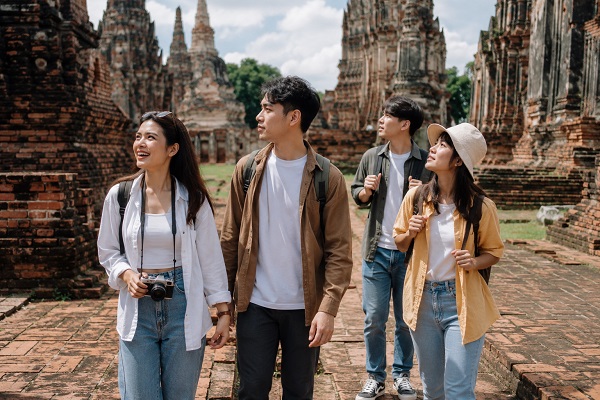
In recent years, Generation Z has emerged as a powerful force in the global travel industry. Born between the mid-1990s and early 2010s, Gen Z travelers are changing the way tourism operates by prioritizing authentic cultural experiences over traditional sightseeing. Their desire to connect with local communities, learn about heritage, and create meaningful memories is reshaping the future of cultural tourism.
What is Cultural Tourism?
Cultural tourism involves traveling to experience the history, traditions, arts, cuisine, architecture, and lifestyle of a destination. Rather than simply visiting famous landmarks, cultural tourists seek deeper engagement with local customs and communities.
For Gen Z, travel is not just about taking photos; it is about discovering stories, understanding different perspectives, and immersing themselves in unique cultural environments.
Why Gen Z Loves Cultural Tourism
Authentic Experiences Matter
Gen Z values authenticity more than luxury. They prefer exploring local markets, attending traditional festivals, and participating in community activities rather than spending all their time at commercial tourist attractions.
Social Media Inspiration
Platforms like Instagram, TikTok, and YouTube inspire young travelers to discover hidden gems and lesser-known destinations. Unique cultural experiences often become the most shareable and memorable content.
Learning Through Travel
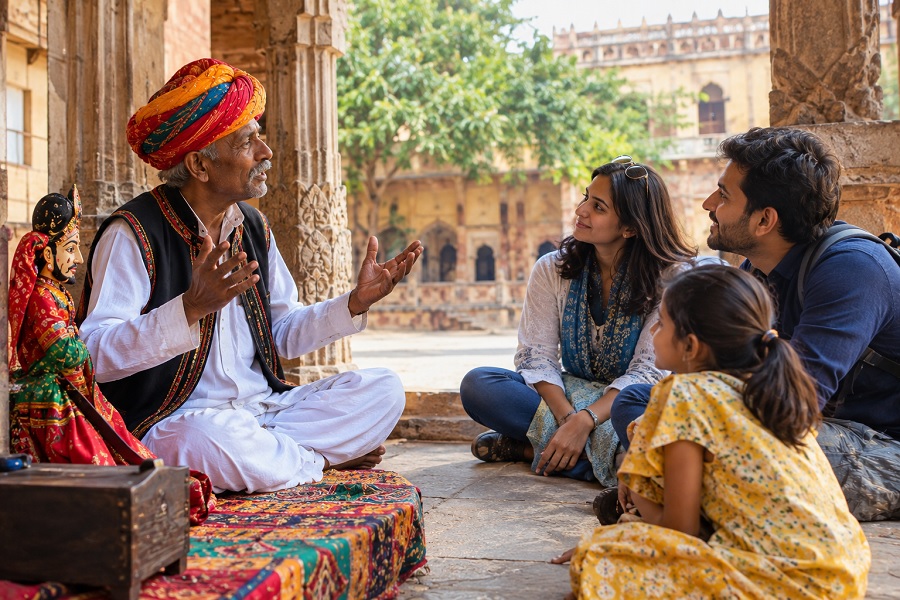
This generation views travel as an educational opportunity. They enjoy learning local languages, understanding historical significance, and exploring indigenous traditions that broaden their worldview.
Sustainable and Responsible Tourism
Gen Z is highly conscious of environmental and social issues. Many choose destinations and travel operators that support sustainable tourism, local artisans, and cultural preservation efforts.
Popular Cultural Tourism Trends Among Gen Z
Heritage walks through historic cities
Culinary tourism and local food experiences
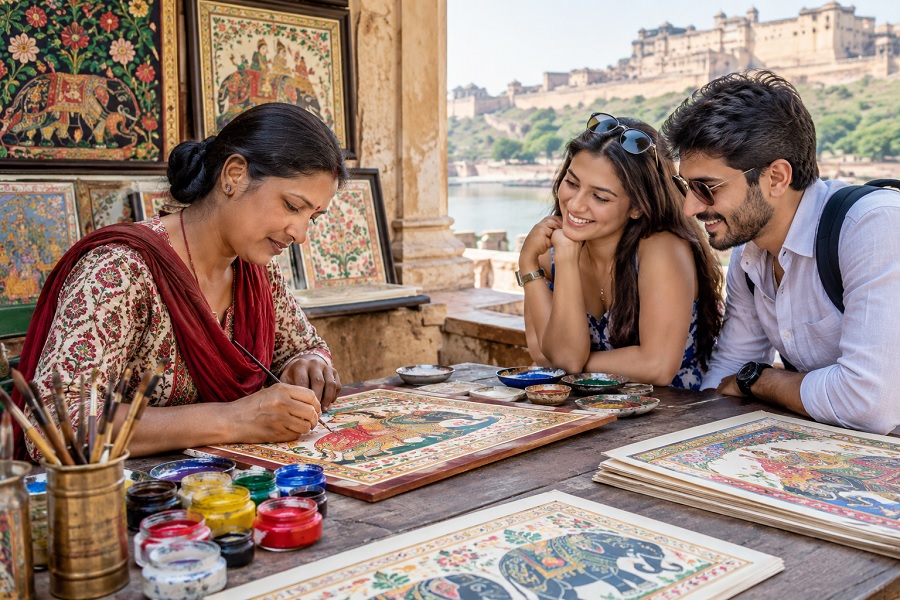
Traditional craft workshops
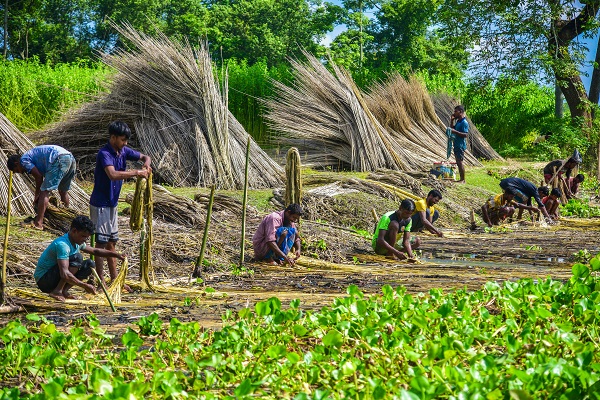
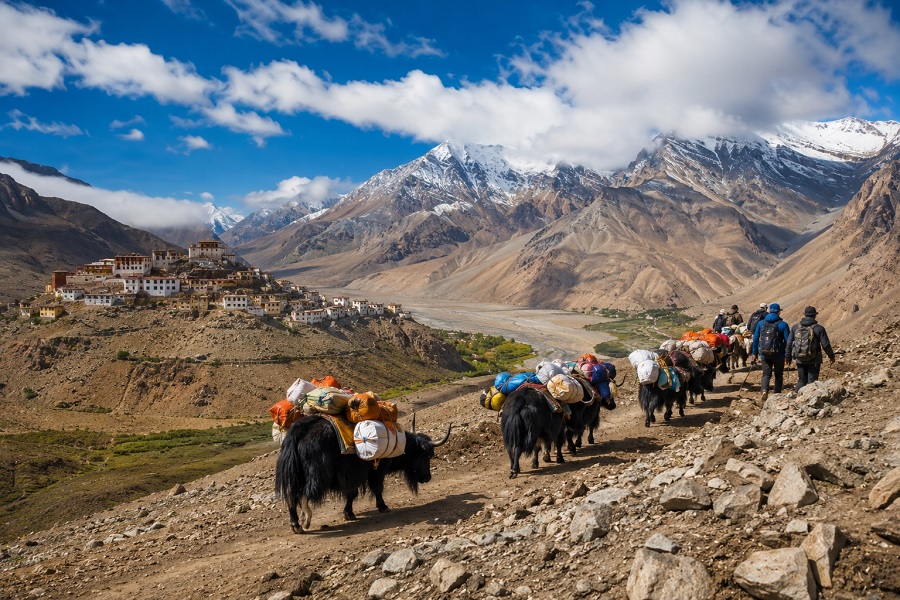
Village and rural tourism
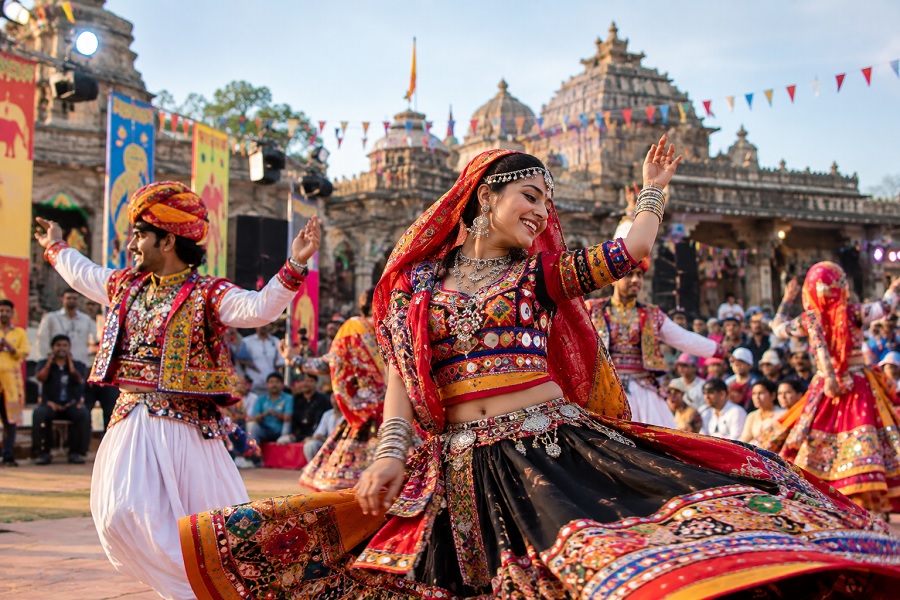
Cultural festivals and music events
Indigenous community interactions
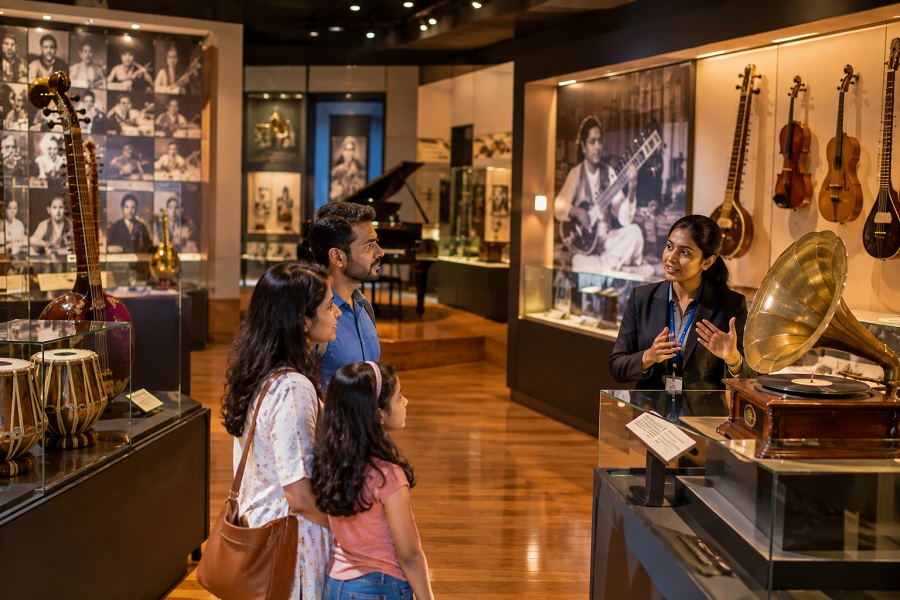
Museum and art gallery visits
Eco-cultural travel experiences
The Impact on Tourism Destinations
Destinations worldwide are adapting to attract Gen Z travelers by offering immersive cultural experiences. Tourism boards are investing in storytelling, digital engagement, local experiences, and sustainable tourism initiatives to appeal to this influential generation.
Countries rich in cultural heritage, including India, Japan, Italy, Morocco, and Peru, are witnessing increased interest from young travelers seeking meaningful connections with local traditions.
India's Growing Appeal to Gen Z Cultural Travelers
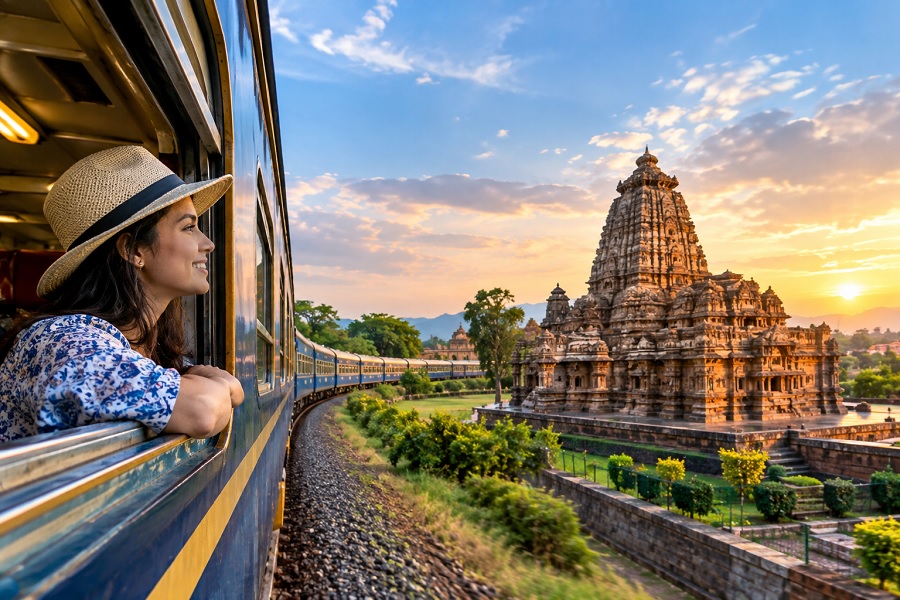
India offers an extraordinary blend of history, spirituality, art, architecture, cuisine, and festivals. From the colorful streets of Jaipur and the heritage sites of Hampi to the cultural richness of Varanasi and Kerala's traditional arts, India provides endless opportunities for immersive cultural exploration.
Young travelers are increasingly participating in local cooking classes, handicraft workshops, folk music events, and heritage tours that showcase India's diverse cultural landscape.
The Future of Cultural Tourism
As Gen Z continues to influence global travel trends, cultural tourism is expected to grow significantly. Travelers are moving beyond passive sightseeing and seeking deeper, more meaningful interactions with people and places.
The future belongs to destinations that preserve their heritage, embrace sustainability, and offer authentic experiences that allow visitors to connect with local cultures in a genuine way.
Conclusion
Gen Z is transforming cultural tourism by prioritizing authenticity, learning, sustainability, and meaningful experiences. Their travel choices encourage destinations to celebrate and preserve their unique identities while creating opportunities for cultural exchange. As this generation continues to explore the world, cultural tourism will remain one of the most powerful ways to connect people, traditions, and communities across the globe.