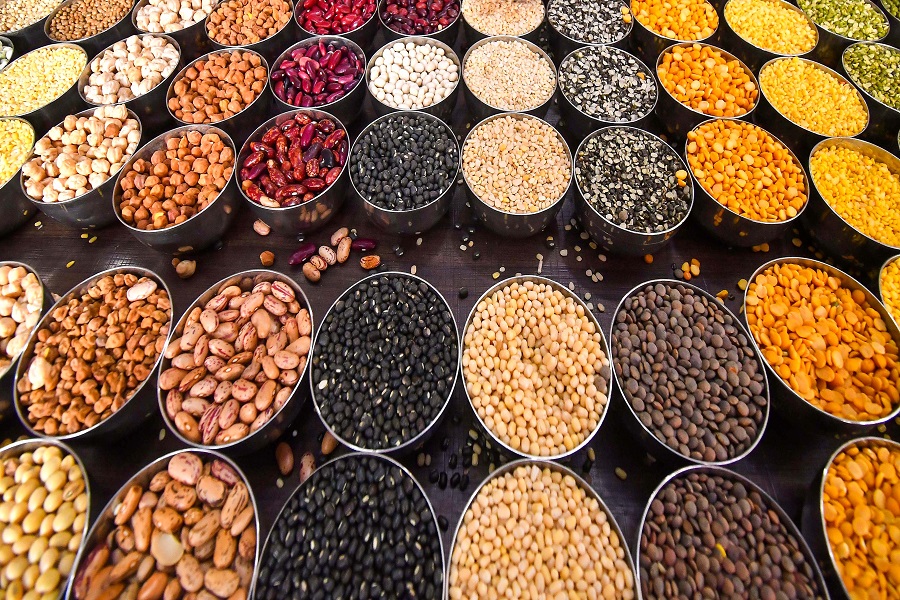
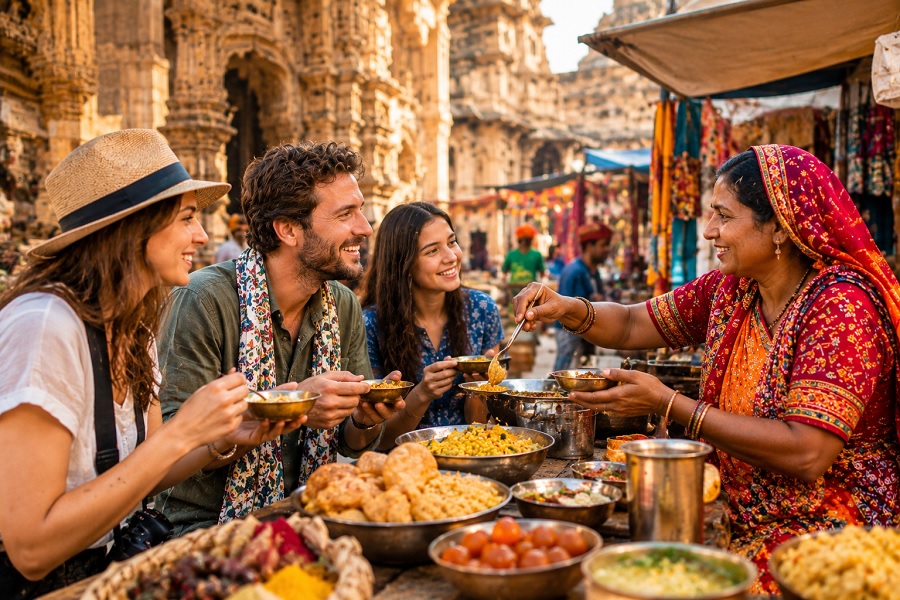
Food And Culinary Tourism Expansions
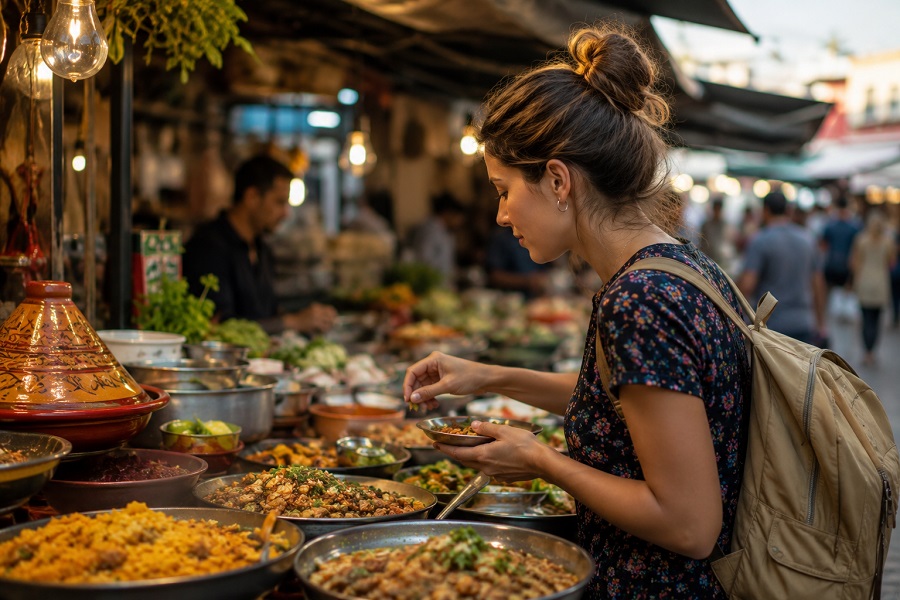
Food and Culinary Tourism Expansion
Food and culinary tourism has become one of the fastest-growing segments in the global travel industry. Travelers today are no longer interested in only visiting famous landmarks. They want authentic local experiences, traditional flavors, street food culture, and regional cooking traditions that connect them with local communities.
From luxury dining experiences in Europe to vibrant street food markets in Asia, culinary tourism is transforming the way people explore destinations. Food now plays a major role in travel planning, social media content, and cultural exploration.
What is culinary tourism?
Culinary tourism refers to traveling for the purpose of exploring food, beverages, cooking traditions, and local dining experiences. It includes:
Street food tours
Traditional cooking classes
Farm-to-table experiences
Food festivals
Vineyard and brewery tours
Local market exploration
Regional cuisine discovery
Travelers often choose destinations based on famous dishes and food culture.
Why culinary tourism is expanding globally
1. Social media influence
Platforms like Instagram, YouTube, and travel blogs have made food experiences more visible than ever. Viral dishes, local cafes, and hidden restaurants attract tourists worldwide.
2. Search for authentic experiences
Modern travelers prefer authentic local culture instead of generic tourism. Food helps visitors understand traditions, history, and daily life.
3. Growth of food festivals
International food festivals and cultural events are bringing global attention to regional cuisines.
4. Rise of experiential travel
Tourists now prefer interactive experiences like:
Cooking with local chefs
Visiting spice farms
Learning traditional recipes
Exploring local food markets
5. Increased domestic tourism
Many travelers are exploring local culinary destinations within their own countries, boosting regional food tourism economies.
Popular culinary tourism destinations
Thailand
Known for:
Street food markets
Thai curries
Seafood cuisine
Floating food markets
Italy
Famous for:
Pasta traditions
Pizza culture
Wine tourism
Regional cooking schools
India
India offers massive culinary diversity:
North Indian curries
South Indian dosa culture
Coastal seafood
Street food tourism
Spice plantation visits
Japan
Popular for:
Sushi culture
Ramen tourism
Traditional tea ceremonies
Seafood markets
Mexico
Tourists enjoy:
Authentic tacos
Regional spices
Traditional cooking methods
Local food festivals
Culinary tourism trends in 2026
Sustainable food tourism
Travelers now prefer eco-friendly restaurants and local organic ingredients.
Farm-to-table experiences
Tourists want fresh local food directly from farms and local producers.
Wellness food tourism
Healthy food retreats and nutrition-focused travel are becoming more popular.
Luxury culinary travel
Premium dining experiences and celebrity chef restaurants continue growing globally.
Street food tourism
Affordable local food experiences are attracting younger travelers and backpackers.
Benefits of culinary tourism
Economic growth
Food tourism supports:
Local restaurants
Farmers
Small businesses
Street vendors
Hospitality industries
Cultural preservation
Traditional cooking methods and local recipes survive through tourism demand.
Employment opportunities
The expansion creates jobs in:
Restaurants
Hotels
Food tours
Event management
Culinary schools
Destination branding
Many cities are now becoming famous because of their food culture.
Challenges in culinary tourism
Despite its growth, culinary tourism also faces challenges:
Overcrowding in popular food destinations
Rising food costs
Loss of authentic local recipes
Environmental waste from tourism
Hygiene concerns in some street food markets
Sustainable management is becoming important for long-term growth.
Future of culinary tourism
The future looks strong as travelers increasingly seek personalized food experiences. Technology, AI-based travel planning, digital food guides, and cultural storytelling are expected to shape the next phase of culinary tourism.
Countries investing in food culture promotion, local culinary branding, and sustainable tourism infrastructure will likely attract more global visitors in the coming years.
Conclusion
Food and culinary tourism expansion is changing global travel experiences. Travelers are now exploring destinations through taste, culture, and local traditions. Whether it is street food in Bangkok, pasta in Italy, or spice markets in India, culinary tourism creates deeper cultural connections and supports local economies worldwide.
As the industry continues to grow, food will remain one of the strongest motivations for modern travel.