Folk Culture Tourism
Folk Culture Tourism: Exploring the Heart and Soul of Local Traditions
Introduction
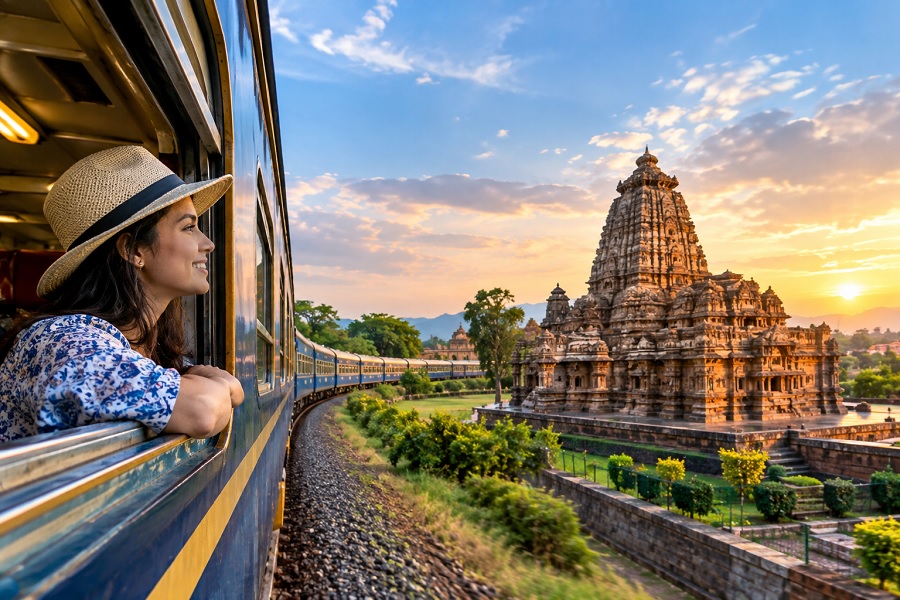
Folk Culture Tourism is one of the most authentic forms of travel, allowing visitors to experience the traditions, customs, arts, music, dance, festivals, and daily lifestyles of local communities. Unlike conventional sightseeing, folk culture tourism focuses on connecting travelers with the living heritage of a destination. It provides a deeper understanding of a region's identity while supporting local communities and preserving cultural traditions.
As travelers increasingly seek meaningful and immersive experiences, folk culture tourism has become a growing trend worldwide. From traditional dance performances and artisan workshops to village festivals and indigenous storytelling, cultural encounters create unforgettable memories and foster greater appreciation for diverse ways of life.
What is Folk Culture Tourism?
Folk culture tourism involves visiting destinations to experience authentic local traditions that have been passed down through generations. These experiences may include:
Traditional music and dance performances
Folk festivals and celebrations
Handicraft and artisan workshops
Traditional food and cooking experiences
Village life and community interactions
Indigenous cultural heritage tours
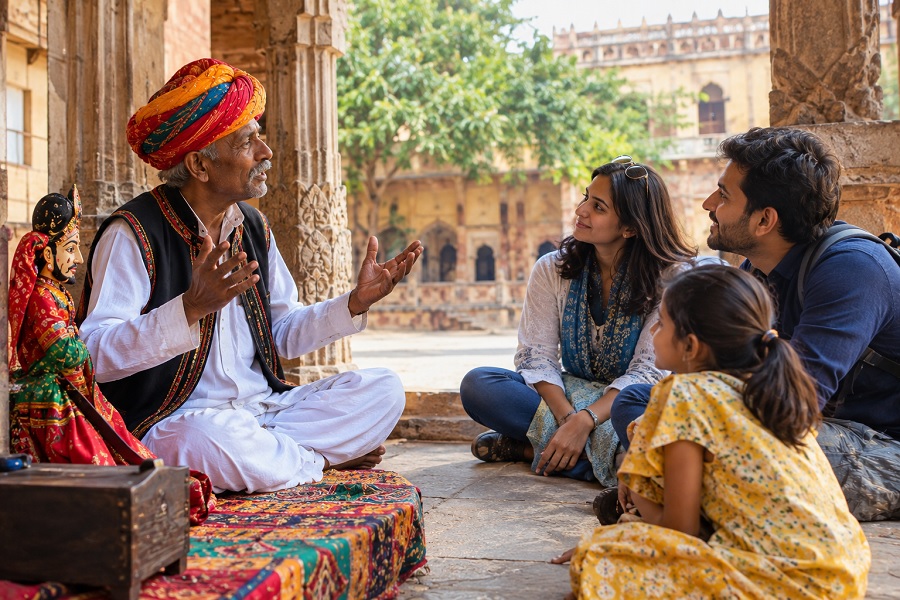
Local storytelling traditions
Traditional clothing and customs
The goal is not only to observe but also to participate and learn from local communities.
Why Folk Culture Tourism is Important
Cultural Preservation
Tourism can help preserve endangered traditions by creating economic opportunities for local artists, musicians, dancers, and craftsmen. Increased visitor interest encourages communities to maintain and celebrate their cultural heritage.
Economic Benefits
Folk culture tourism generates income for local businesses, artisans, guides, homestays, restaurants, and cultural performers. This contributes directly to community development.
Authentic Travel Experiences
Travelers gain genuine insights into local lifestyles, values, and traditions that are often missed through mainstream tourism.
Cross-Cultural Understanding
Experiencing different cultures promotes tolerance, understanding, and appreciation for global diversity.
Popular Folk Culture Tourism Experiences
Traditional Dance and Music
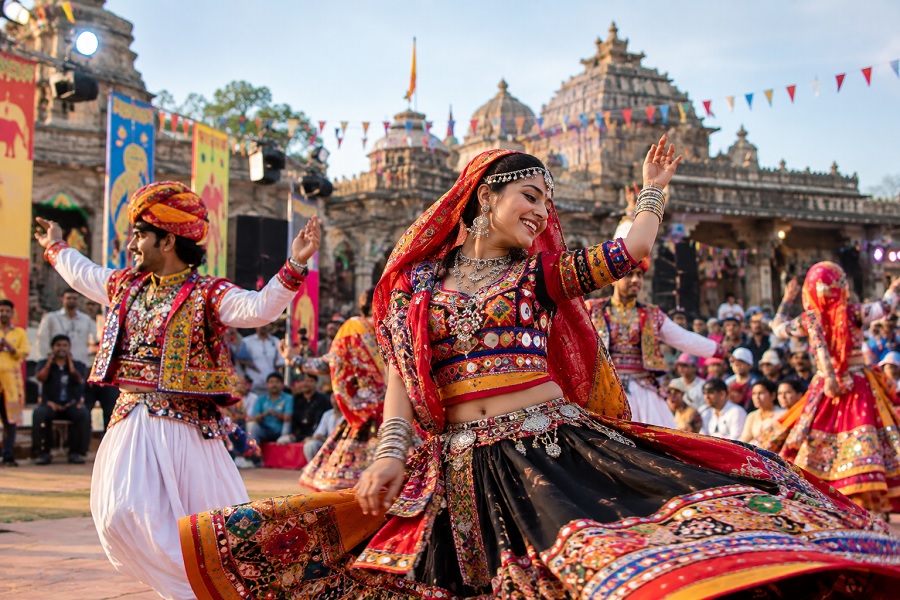
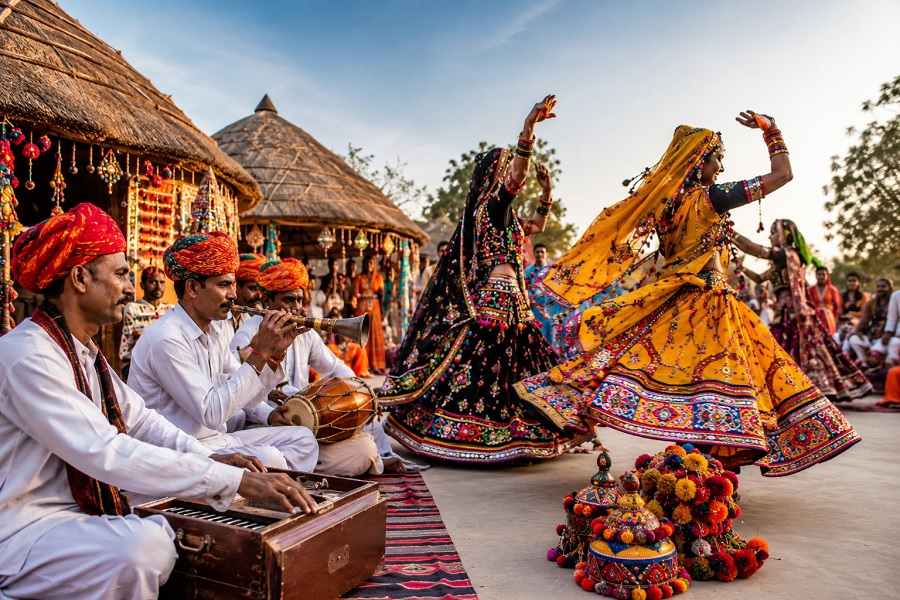
Cultural performances showcase regional identity through costumes, instruments, and storytelling traditions. Visitors can attend festivals or participate in dance workshops.
Village Tourism
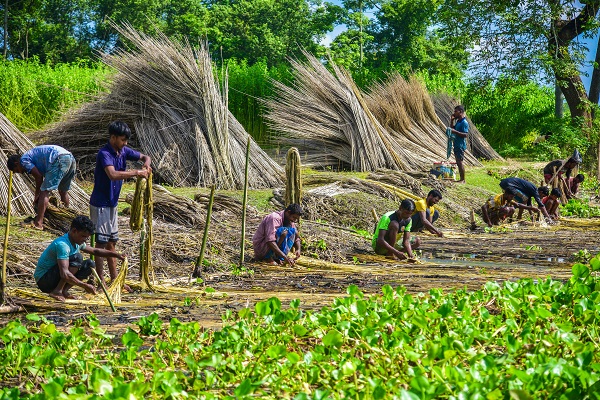
Rural communities often offer opportunities to experience farming practices, local cuisine, handicrafts, and daily village life.
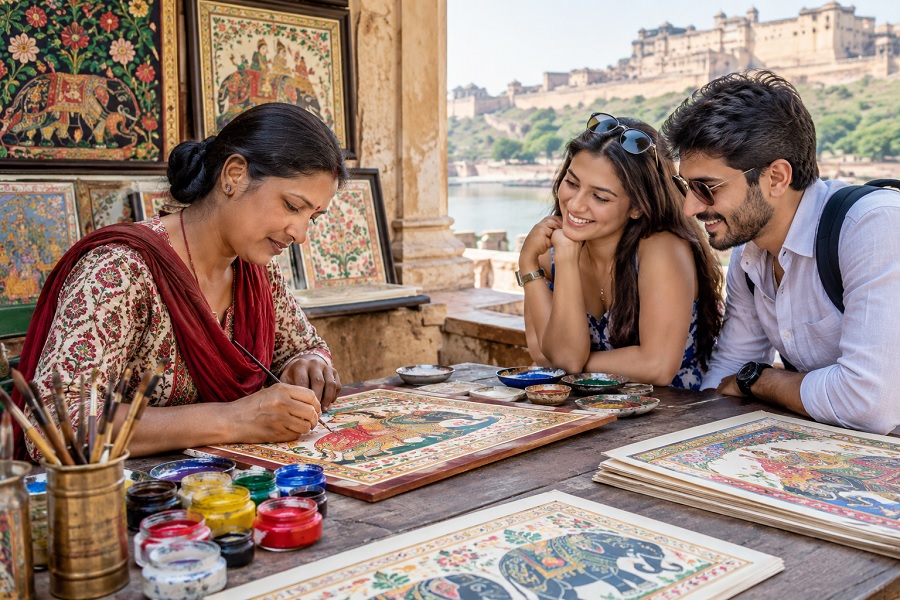
Handicraft Workshops
Travelers can learn traditional weaving, pottery, painting, wood carving, embroidery, and other artisan skills directly from local craftsmen.
Cultural Festivals
Festivals provide vibrant experiences featuring traditional music, dance, food, rituals, and community celebrations.
Culinary Heritage Experiences
Food plays a central role in culture. Travelers can discover traditional cooking methods, local ingredients, and regional specialties.
Top Destinations for Folk Culture Tourism
Rajasthan, India
Known for colorful folk dances, traditional music, desert festivals, handicrafts, and royal heritage.
Bhutan
Offers rich Buddhist traditions, monastery festivals, and authentic mountain village culture.
Peru
Home to indigenous communities, traditional weaving practices, and ancient cultural heritage.
Japan
Features traditional tea ceremonies, cultural festivals, and centuries-old artisan traditions.
Morocco
Provides immersive experiences through local markets, folk music, traditional architecture, and cultural festivals.
Responsible Folk Culture Tourism
To ensure positive impacts on local communities, travelers should:
Respect local customs and traditions.
Ask permission before taking photographs.
Support local artisans by purchasing authentic crafts.
Choose community-based tourism experiences.
Learn basic cultural etiquette before visiting.
Avoid activities that exploit local traditions.
Responsible tourism helps preserve cultural heritage for future generations.
Future of Folk Culture Tourism
The demand for authentic and meaningful travel experiences continues to grow. Modern travelers increasingly value cultural immersion over traditional sightseeing. Digital storytelling, sustainable tourism initiatives, and community-led experiences are helping folk culture tourism reach new audiences while preserving local traditions.
As destinations focus on sustainable cultural development, folk culture tourism is expected to become one of the fastest-growing segments of global travel in the coming years.
Conclusion
Folk culture tourism offers far more than a vacation. It creates opportunities to connect with people, understand traditions, and appreciate the diversity of human culture. By supporting local communities and participating respectfully in cultural experiences, travelers help preserve valuable traditions while creating unforgettable memories.
Whether exploring a traditional village, attending a vibrant folk festival, or learning ancient craft techniques, folk culture tourism allows visitors to discover the true spirit of a destination.