Exploring India's Sacred River Ghats: A Journey Through Culture and Heritage
River Ghat Cultural Tourism: Exploring Heritage, Spirituality and Life Along India's Sacred Rivers
River ghats are among the most fascinating cultural landscapes in India. For centuries, they have served as places of worship, social gatherings, traditional ceremonies, trade and everyday community life. River Ghat Cultural Tourism allows travellers to explore the rich heritage, architecture, spirituality and local traditions that have developed along India's famous rivers.
From the ancient ghats of Varanasi to the spiritual riverbanks of Haridwar and the historic waterfronts of other Indian cities, river ghat tourism offers visitors a unique opportunity to experience living culture.
What Is River Ghat Cultural Tourism?
River Ghat Cultural Tourism focuses on visiting and experiencing culturally important riverfront areas. Ghats are stepped structures leading down to rivers and are often connected with temples, historic buildings, religious ceremonies and local communities.
Travellers can experience:
Traditional religious ceremonies
Ancient temples and architecture
Morning and evening rituals
Local food and markets
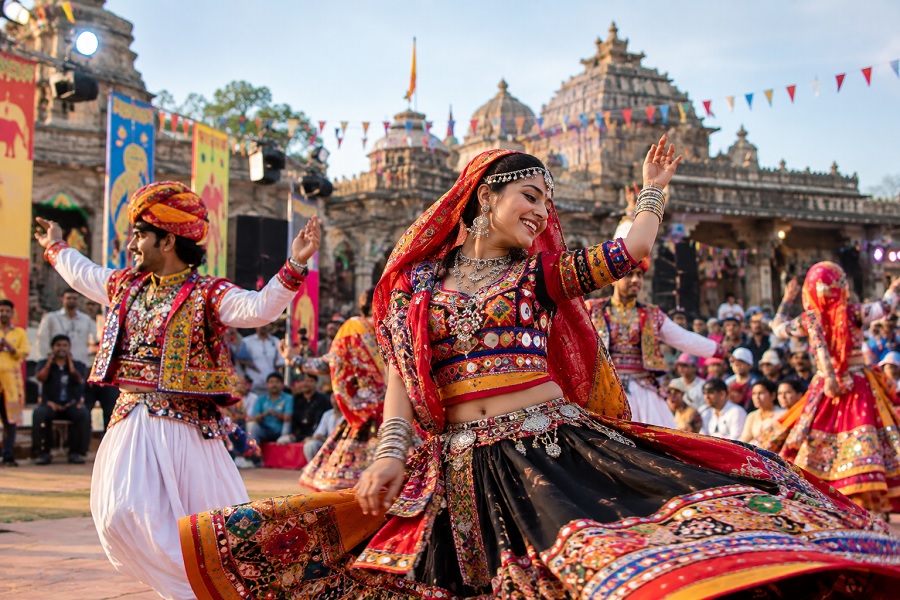
Cultural performances
Heritage walks
Photography experiences
Boat rides
Traditional festivals
Local community life
Unlike visiting a museum, river ghat tourism allows travellers to experience culture as a living and evolving part of everyday life.
Why River Ghats Are Important Cultural Destinations
River ghats represent an important connection between India's history, spirituality and social traditions. Many famous ghats have existed for centuries and continue to play a major role in the cultural identity of their cities.
They are places where travellers can observe how religious traditions and modern urban life exist together. Early mornings often feature pilgrims, local residents and visitors gathering near the river, while evenings may bring traditional ceremonies, lights and devotional music.
This combination of history and living culture makes river ghats important destinations for cultural tourism.
Popular River Ghat Experiences in India
Varanasi Ghats
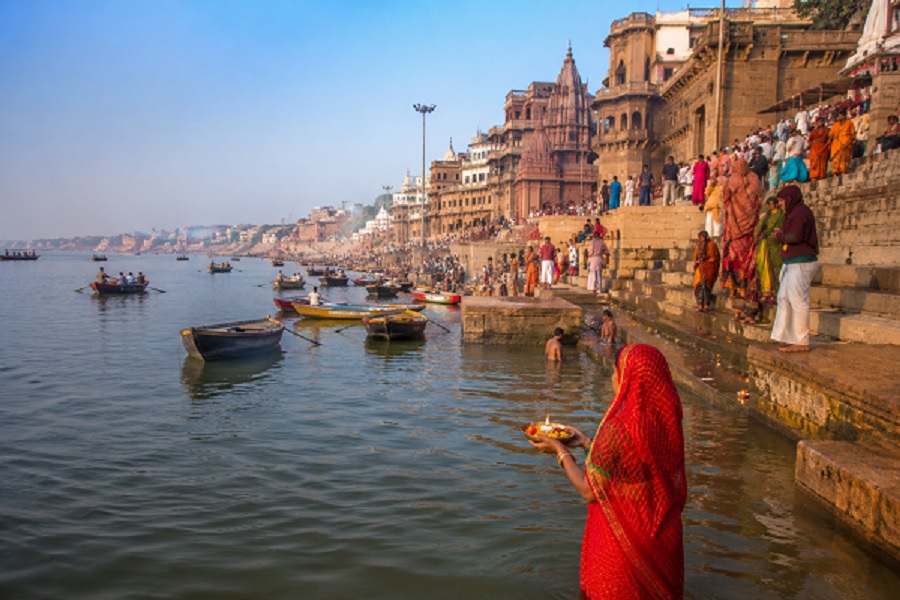
Varanasi is internationally known for its historic ghats along the River Ganga. Visitors can explore ancient temples, narrow heritage streets and traditional markets.
A sunrise boat journey provides a unique view of life along the river. The evening Ganga Aarti is also one of the best-known cultural experiences for visitors.
Haridwar Riverfront Experiences
Haridwar offers a powerful combination of spiritual traditions and cultural tourism. The ghats become especially lively during religious festivals and major pilgrimage periods.
Visitors can experience devotional ceremonies, traditional markets and the cultural atmosphere surrounding the sacred river.
Ujjain Ghat Tourism
Ujjain offers important cultural and spiritual experiences connected with the Shipra River. The city's riverfront traditions, temples and festivals attract visitors interested in India's religious heritage.
Nashik River Ghat Tourism
Nashik's river ghats along the Godavari River offer a combination of spirituality, heritage and local culture. The city is also known for important religious traditions and large cultural gatherings.
For travellers interested in Maharashtra's cultural heritage, Nashik provides opportunities to explore temples, traditional markets and historic riverfront areas.
Cultural Activities for River Ghat Travellers
1. Heritage Walks
Walking through historic streets near river ghats allows travellers to discover old buildings, temples and local stories.
2. Sunrise and Sunset Experiences
The changing atmosphere of a river ghat during sunrise and sunset provides excellent opportunities for photography and peaceful cultural experiences.
3. Traditional Ceremonies
Many river ghats host daily rituals and special ceremonies. Visitors can respectfully observe these traditions and learn about their cultural importance.
4. Boat Tourism
Boat rides offer a different perspective of riverfront architecture and the daily activities taking place along the ghats.
5. Local Food Exploration
Areas surrounding famous ghats often have traditional restaurants and street food markets where visitors can explore regional flavours.
6. Festival Tourism
Major festivals can transform riverfront destinations into colourful cultural spaces filled with ceremonies, decorations and community celebrations.
The Role of River Ghats in Sustainable Tourism
Responsible tourism is important for protecting river ecosystems and cultural heritage. Growing visitor numbers can create environmental pressure, particularly through waste and pollution.
Travellers can support sustainable river ghat tourism by:
Avoiding plastic waste
Respecting religious and cultural traditions
Keeping riverbanks clean
Supporting local businesses
Choosing responsible tour operators
Following photography rules
Avoiding disturbance during religious ceremonies
Protecting both the river and its cultural traditions is essential for the long-term future of river tourism.
Photography Opportunities
River ghats are among India's most visually interesting cultural destinations. Travellers can photograph:
Historic architecture
Traditional boats
Sunrise landscapes
River reflections
Cultural ceremonies
Temples and heritage buildings
Local markets
Daily community life
Visitors should always be respectful when photographing religious ceremonies and local people.
Why River Ghat Tourism Is Growing
Modern travellers increasingly look for authentic and experience-based journeys. River ghat tourism provides history, culture, spirituality, food and local experiences in one destination.
The growing interest in heritage tourism, spiritual travel and responsible tourism is also encouraging visitors to explore riverfront destinations beyond traditional sightseeing.
Smaller and lesser-known river ghats can offer quieter experiences while supporting local communities and regional tourism.
Best Time for River Ghat Cultural Tourism
The best time depends on the destination and climate. Generally, cooler months are more comfortable for heritage walks and outdoor exploration.
Festival periods can offer extraordinary cultural experiences, but travellers should expect larger crowds and book accommodation early.
Early mornings and evenings are often ideal times to experience the atmosphere of famous river ghats.
Tips for Planning a River Ghat Cultural Trip
Research local customs before visiting.
Dress respectfully near religious sites.
Visit early in the morning for peaceful experiences.
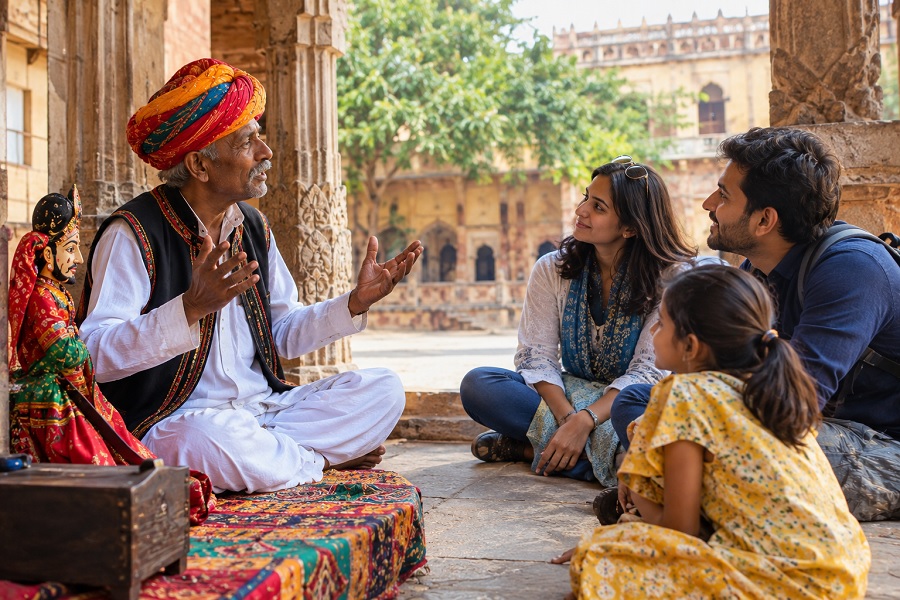
Join guided heritage walks for deeper cultural knowledge.
Try traditional local food.
Support local artisans and businesses.
Avoid littering near rivers.
Ask permission before photographing people.
Follow local safety instructions during boat rides.
Plan extra time during major festivals because of crowds.
Future of River Ghat Cultural Tourism
The future of river ghat tourism is likely to focus increasingly on heritage conservation, sustainable development and authentic visitor experiences.
Improved riverfront infrastructure, heritage walks, cultural storytelling and responsible tourism programmes can help make these destinations more accessible while protecting their historical and environmental value.
Digital guides and immersive storytelling may also help younger travellers understand the history and traditions connected with India's riverfront heritage.
Conclusion
River Ghat Cultural Tourism offers travellers an extraordinary opportunity to experience India's living heritage. From ancient temples and traditional ceremonies to local food, historic architecture and peaceful boat journeys, river ghats provide experiences that connect visitors with history and culture.
As interest in authentic, cultural and sustainable travel continues to grow, India's river ghats have the potential to become even more important tourism destinations. Responsible travel and heritage conservation will be essential to ensuring that these unique cultural spaces remain protected for future generations.