Exploring India’s Culinary Heritage Through Traditional Thali Experiences
Traditional Thali Tourism: Exploring India Through Regional Flavours
Introduction
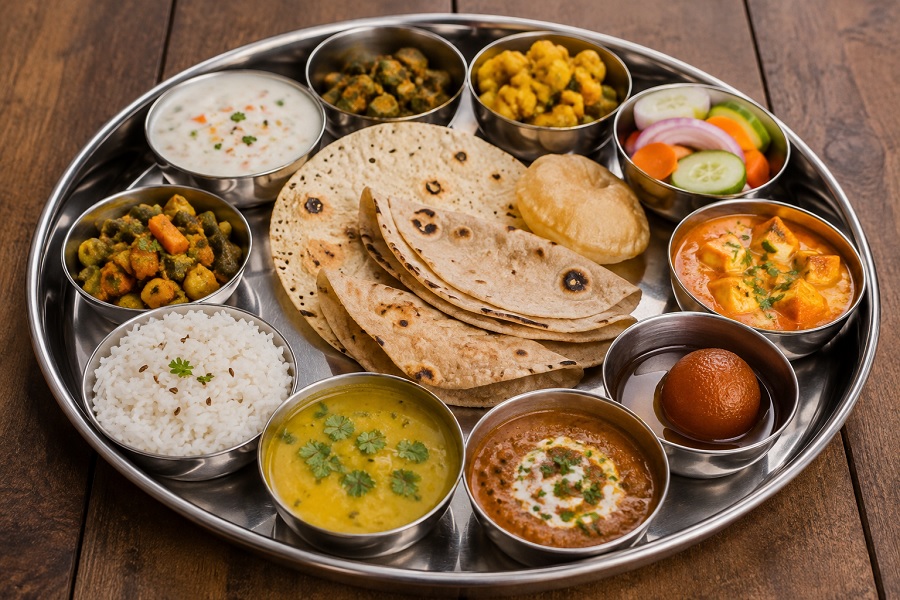
Traditional Thali Tourism is becoming an exciting way to discover India's rich culinary heritage. A thali is more than a meal served on one plate. It represents the food traditions, agricultural produce, cooking techniques, spices and cultural identity of a particular region.
From the colourful Gujarati thali and elaborate Rajasthani thali to the comforting Kerala sadya and distinctive Bengali thali, every regional platter tells a different story. For food-loving travelers, exploring traditional thalis can turn a holiday into a memorable cultural experience.
What Is Traditional Thali Tourism?
Traditional Thali Tourism focuses on travelling to destinations specifically to experience authentic regional meals. Travelers visit local restaurants, traditional homes, heritage properties, food festivals and culinary establishments to taste dishes associated with a particular community or region.
The experience can include learning about local ingredients, traditional cooking methods, serving customs and the cultural significance of different dishes.
Why Traditional Thalis Are Important
Indian cuisine varies considerably from one region to another. Climate, geography, agriculture, religion, local traditions and historical influences have all shaped regional food.
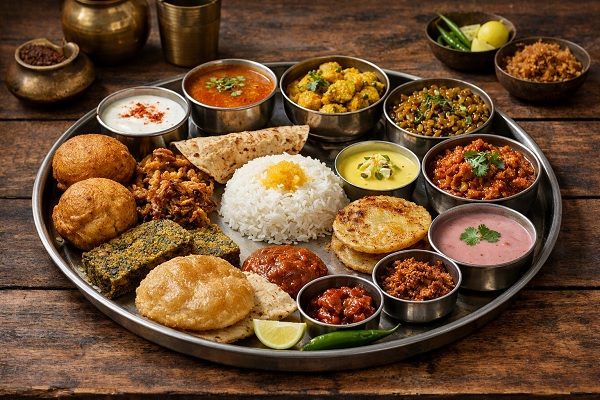
A traditional thali brings several of these elements together in one meal. Rice, breads, lentils, vegetables, pickles, chutneys, sweets and beverages may all have a place depending on the region.
For travelers, this makes a thali an accessible introduction to local culinary culture.
Popular Traditional Thalis to Explore in India
1. Gujarati Thali
Gujarati cuisine is known for its balance of sweet, savoury, spicy and tangy flavours. A traditional Gujarati thali can feature dal, kadhi, vegetables, farsan, rotli, puri, rice, pickles, chutneys and sweets.
Travelers visiting Gujarat can combine thali experiences with heritage walks, handicraft tours and visits to historic cities.
2. Rajasthani Thali
A Rajasthani thali reflects the culinary traditions of India's desert region. Dal baati churma, gatte ki sabzi, ker sangri, bajra preparations, papad, chutneys and traditional sweets are among the foods travelers may encounter.
The meal offers an opportunity to understand how local communities developed flavorful dishes using ingredients suited to the region's environment.
3. Punjabi Thali
Punjabi cuisine is famous for hearty flavours and dishes prepared with wheat, dairy products, lentils and seasonal vegetables. A Punjabi thali may include dal, roti, vegetables, rice, curd, paneer preparations and sweets.
Travelers can pair culinary experiences with visits to farms, markets and cultural attractions.
4. Bengali Thali
A Bengali thali often highlights rice, dal, vegetables, fish preparations and distinctive sweets. Mustard, seasonal produce and traditional spice combinations contribute to its characteristic flavour.
Food travelers can explore Bengali cuisine through local eateries, traditional celebrations and regional food markets.
5. Kerala Sadya
Kerala's sadya is one of India's most distinctive traditional dining experiences. It is traditionally served on a banana leaf and can include rice, vegetable preparations, curries, pickles, chutneys, payasam and other accompaniments.
The presentation and serving style are an important part of the experience, making sadya tourism particularly attractive to cultural travelers.
6. Maharashtrian Thali
Maharashtrian cuisine offers considerable regional variety. Depending on the location, travelers may encounter bhakri, poli, amti, usal, vegetables, rice, chutneys and traditional sweets.
Travelers can explore different culinary styles across Mumbai, Pune, Kolhapur, Nashik, Konkan and Vidarbha.
7. South Indian Thali
South Indian thalis commonly combine rice with preparations such as sambar, rasam, vegetables, curd, chutneys and sweets. Regional variations can be found throughout Karnataka, Tamil Nadu, Andhra Pradesh, Telangana and Kerala.
A culinary journey across South India can therefore provide several distinct thali experiences rather than just one.
8. Assamese Thali
Assamese cuisine offers travelers an opportunity to explore the food culture of Northeast India. Rice, vegetables, fish and locally available ingredients feature prominently in many traditional meals.
A thali-style meal can be combined with tea plantation visits, wildlife tourism and cultural experiences.
Thali Tourism and Cultural Heritage
Traditional food is closely connected with cultural identity. Recipes can be passed from one generation to another, preserving memories and local knowledge.
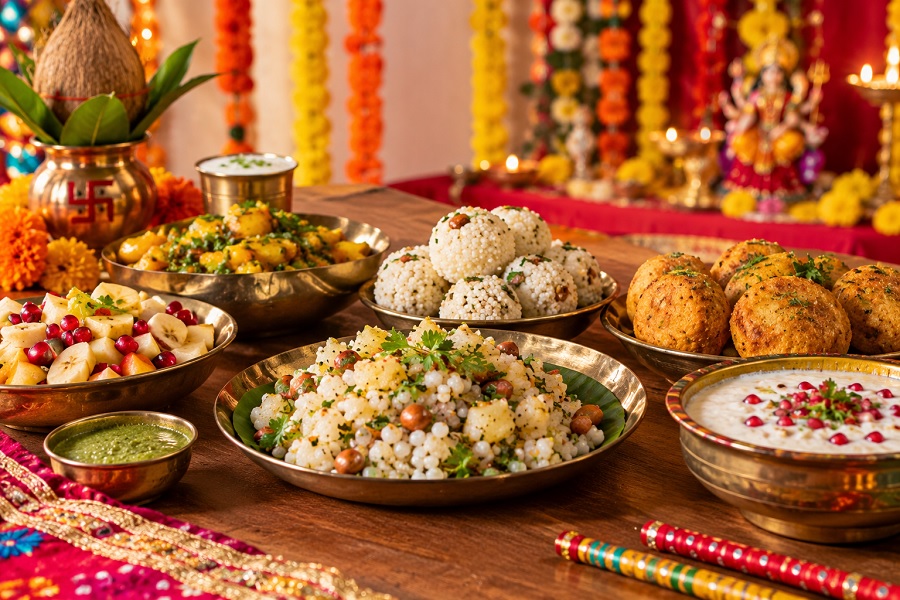
A traditional thali may also reflect special occasions, festivals and community traditions. The way food is prepared, served and eaten can be as important as the dishes themselves.
For tourists, this creates an experience that goes beyond simply trying a new cuisine.
Thali Tourism and Local Ingredients
One of the most interesting aspects of culinary tourism is discovering ingredients that are closely associated with a destination.
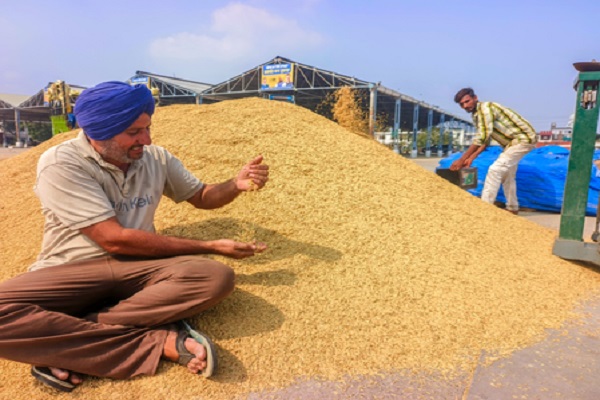
Millets, regional rice varieties, indigenous vegetables, local spices, pulses, seasonal fruits and traditional oils can all contribute to the identity of a regional meal.
Travelers can learn about these ingredients by visiting local markets, farms and food producers.
Traditional Cooking Methods
Thali tourism can also introduce travelers to traditional cooking techniques. Clay-pot cooking, wood-fired preparation, stone grinding, hand-pounded spices and slow cooking are examples of methods that can influence flavour and texture.
Some culinary experiences allow visitors to watch chefs or local families prepare traditional dishes, making the meal more educational and interactive.
Best Experiences for Thali Tourists
Travelers interested in traditional thali tourism can explore:
Heritage restaurants
Traditional family kitchens
Local food markets
Village food experiences
Culinary festivals
Cooking workshops
Farm-to-table meals
Regional food trails
Food walks
Heritage hotels
Traditional community dining
Local sweet shops
Thali Tourism for International Travelers
Traditional thalis can provide international visitors with an easy introduction to Indian cuisine because they can sample several dishes during one meal.
Instead of ordering unfamiliar dishes individually, travelers can experience a selection of flavours, textures and ingredients together.
Food guides and local culinary experts can further explain the ingredients and traditions behind each dish.
Thali Tourism for Families
Families can enjoy thali tourism as both a dining and educational experience. Children can learn about regional ingredients, food traditions and cultural differences while trying a variety of dishes.
Parents can also use food trails to introduce younger travelers to local cuisines in an engaging way.
Thali Tourism for Solo Travelers
Solo travelers can explore traditional thalis through food walks, cooking classes and local restaurants. These experiences can also provide opportunities to interact with local chefs, guides and other travelers.
For solo food enthusiasts, building a trip around regional cuisine can be an enjoyable way to explore a destination beyond its major tourist attractions.
Sustainable Thali Tourism
Traditional food tourism can support local communities when travelers choose locally owned restaurants, family-run establishments, regional food producers and community-based culinary experiences.
Travelers can also support sustainability by avoiding unnecessary food waste and choosing seasonal and locally sourced dishes when possible.
Preserving traditional recipes and encouraging younger generations to continue culinary practices can also help protect regional food heritage.
Tips for Planning a Traditional Thali Food Trail
Before starting a thali-focused trip, research the regional specialties of your destination. Ask local food experts or restaurants about traditional dishes and seasonal menus.
If you have food allergies or dietary restrictions, communicate them clearly before ordering. Some traditional preparations may contain dairy, nuts, gluten or other ingredients that may not be immediately obvious.
It is also useful to start with smaller portions if you are unfamiliar with a cuisine, particularly because a traditional thali can contain many different dishes.
The Future of Traditional Thali Tourism
As travelers increasingly seek authentic and immersive experiences, traditional food is likely to remain an important part of tourism. Thali experiences can connect travelers with local communities while helping preserve culinary traditions.
Modern restaurants are also experimenting with regional ingredients and presentation while maintaining traditional flavours. This combination of heritage and contemporary dining can create new opportunities for culinary tourism.
Conclusion
Traditional Thali Tourism offers a delicious way to explore India's cultural diversity. Every platter can reveal something about a region's history, agriculture, traditions and lifestyle.
Whether it is a Gujarati thali in Gujarat, Rajasthani cuisine in Rajasthan, a Bengali meal in West Bengal or a Kerala sadya served on a banana leaf, travelers can experience much more than food. They can discover stories, traditions and local identities through every dish.
For food lovers, a traditional thali food trail can become one of the most memorable ways to experience India.