Exploring Ancient Stone Carving Traditions Through Heritage Tours
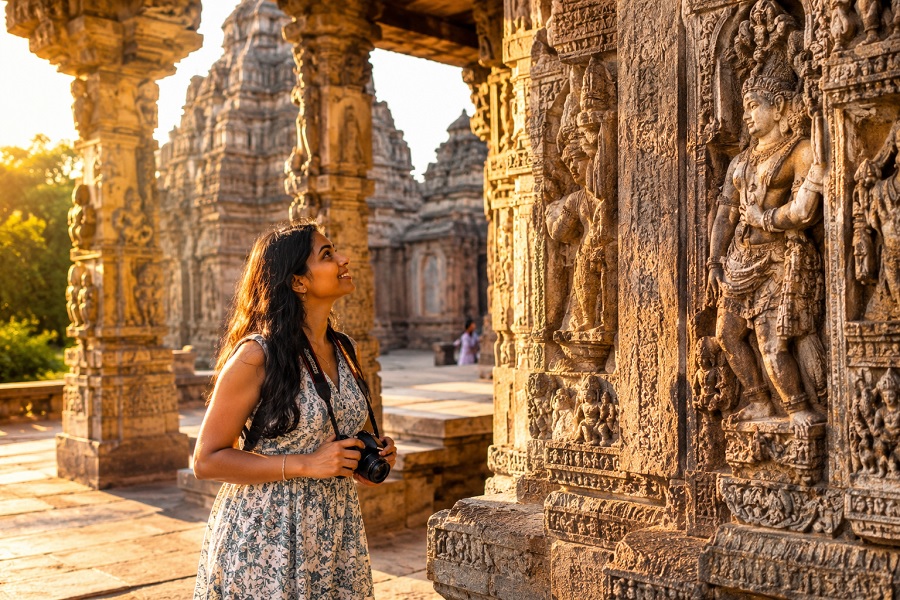
Stone Carving Heritage Tours: Exploring Traditional Art, Craft and Culture
Stone Carving Heritage Tours offer travelers an opportunity to discover one of the world's oldest artistic traditions. These cultural journeys introduce visitors to historic monuments, traditional workshops, sculpture villages, temples, forts, and artisan communities where stone has been transformed into intricate works of art for generations.
From detailed temple sculptures to decorative architectural elements, stone carving reflects the creativity, history, beliefs, and craftsmanship of local communities. For cultural tourists, these tours provide a deeper experience than simply visiting famous monuments.
What Are Stone Carving Heritage Tours?
Stone carving heritage tours are cultural travel experiences focused on the history and practice of carving stone. A typical tour may combine visits to historic monuments with workshops, museums, artisan villages, and demonstrations by skilled craftsmen.
Travelers can learn how artisans select stone, prepare blocks, create designs, use traditional tools, and gradually transform rough material into sculptures or architectural decorations.
These experiences are particularly attractive to travelers interested in art, architecture, history, photography, handicrafts, and traditional culture.
Historical Importance of Stone Carving
Stone carving has played an important role in the development of architecture and visual culture across India and many other parts of the world. Ancient temples, monuments, caves, palaces, forts, gateways, pillars, and sculptures demonstrate how generations of artisans used stone to preserve stories and cultural traditions.
Many historic structures contain carvings depicting mythology, religious traditions, royal life, animals, plants, dancers, musicians, and everyday activities. Studying these details can help travelers understand the society and artistic values of earlier periods.
What Travelers Can Experience
1. Traditional Stone Workshops
Visitors can explore artisan workshops where craftsmen continue traditional carving practices. Watching an artisan work on a stone block provides insight into the patience and precision required for the craft.
2. Live Carving Demonstrations
Many cultural tours can include demonstrations showing how a design develops from a simple stone block into a finished sculpture. Travelers can observe traditional chisels, hammers, measuring techniques, and decorative methods.
3. Historic Temples and Monuments
Historic temples and monuments provide an important context for understanding stone craftsmanship. Detailed pillars, doorways, ceilings, sculptures, and exterior walls often reveal the extraordinary skill of earlier artisans.
4. Artisan Village Visits
Some destinations have communities where stone carving remains an important traditional occupation. Visiting these areas can provide travelers with a closer look at local lifestyles and craft traditions.
5. Stone Sculpture Museums
Museums and cultural centers can help visitors understand the evolution of stone sculpture. Exhibits may include unfinished pieces, traditional tools, historical sculptures, and information about regional carving techniques.
Popular Stone Carving Destinations in India
India has numerous destinations associated with historic stone architecture and sculpture.
Khajuraho is renowned for its intricately carved temples, while Mahabalipuram is famous for its monumental stone sculptures and rock-cut heritage. Hampi offers impressive examples of carved stone architecture from the Vijayanagara period.
Ajanta and Ellora showcase remarkable rock-cut artistic traditions. Konark is known for its elaborate temple sculptures, while Ranakpur is celebrated for its intricately carved marble architecture.
Other regions across Rajasthan, Odisha, Karnataka, Tamil Nadu, Maharashtra, Gujarat, and Madhya Pradesh also offer opportunities to explore traditional stone craftsmanship.
Stone Carving and Local Communities
Stone carving tourism can support artisan communities when visitors purchase authentic handmade products, participate in workshops, or choose locally operated cultural tours.
Tourism can also encourage younger generations to learn traditional skills. When crafts provide sustainable income, communities may have greater motivation to preserve techniques that could otherwise decline.
Stone Carving Workshops for Tourists
Hands-on workshops are becoming an interesting addition to cultural tourism. Under the guidance of experienced artisans, visitors may learn basic carving techniques and create a small decorative piece.
These workshops should emphasize safety and respect for traditional methods. Travelers should avoid treating the craft simply as entertainment and instead appreciate the knowledge and time involved in producing handmade work.
Photography Opportunities
Stone carving heritage tours provide excellent opportunities for cultural photography. Close-up photographs can capture textures, patterns, tools, sculptures, and architectural details.
Travelers should always ask permission before photographing artisans, workshops, private spaces, or people at work. Photography rules at temples, museums, and archaeological sites should also be followed.
Best Time for a Stone Carving Heritage Tour
The ideal season depends on the destination. For outdoor monuments and heritage walks in many parts of India, cooler months are generally more comfortable.
Early morning and late afternoon can provide pleasant conditions for exploring monuments and better natural light for photography. Visitors should check local weather and monument opening schedules before planning their itinerary.
Sustainable Stone Craft Tourism
Responsible tourism is particularly important when visiting heritage sites and artisan communities.
Travelers can contribute by:
Supporting local artisans and workshops.
Purchasing genuine handmade products.
Respecting archaeological sites.
Avoiding touching or climbing historic sculptures.
Following photography regulations.
Reducing plastic waste.
Choosing local guides when possible.
Respecting community customs and traditions.
Learning about the cultural significance of monuments.
Why Stone Carving Tours Are Becoming Popular
Modern travelers are increasingly interested in experiences that connect them with local history and traditional craftsmanship. Stone carving tours provide an opportunity to move beyond conventional sightseeing and understand how cultural heritage was created and preserved.
They are suitable for history enthusiasts, architecture lovers, photographers, art students, families, international tourists, and cultural travelers.
Tips for Planning a Stone Carving Heritage Tour
Before traveling, research the historical significance of the sites you plan to visit. If workshops are available, check whether advance reservations are required.
Wear comfortable clothing and footwear for heritage walks. Carry drinking water, sun protection, and a camera if photography is permitted. Hiring a knowledgeable local guide can also make the experience more informative.
Most importantly, approach artisan communities respectfully and remember that traditional craftsmanship represents generations of accumulated knowledge.
Conclusion
Stone Carving Heritage Tours provide a fascinating way to explore the connection between art, architecture, history, and community traditions. From ancient monuments and temple sculptures to contemporary artisan workshops, these experiences reveal the extraordinary skill required to transform stone into cultural masterpieces.
As cultural tourism continues to evolve in 2026, experiences centered around traditional craftsmanship can offer travelers meaningful connections with local communities while supporting the preservation of important artistic traditions.