Explore India Through Painting and Indigenous Art Tourism Experiences
Painting and Indigenous Art Tourism
Introduction
Painting and Indigenous Art Tourism is a meaningful form of cultural travel that allows visitors to explore traditional artwork, local communities, ancient techniques, and regional artistic heritage. Instead of simply visiting famous attractions, travelers can discover how paintings, symbols, colors, stories, and traditional crafts are connected to the history and everyday life of different communities.
India has a diverse artistic heritage, including Madhubani, Warli, Gond, Pattachitra, Kalamkari, Phad, Saura, Bhil, and many other traditional art forms. Visiting artists, museums, villages, cultural centers, galleries, and craft markets can provide travelers with opportunities to understand these traditions more deeply.
What Is Painting and Indigenous Art Tourism?
Painting and Indigenous Art Tourism focuses on travel experiences connected with traditional, folk, tribal, and indigenous art. Travelers may visit places where artists create artwork, participate in workshops, explore exhibitions, purchase authentic handmade products, or learn about the stories and cultural traditions behind different artistic styles.
These experiences can make cultural travel more interactive and help visitors appreciate art as part of a living heritage rather than simply as a decorative product.
Why Is Indigenous Art Tourism Becoming Popular?
Travelers are increasingly interested in authentic experiences that connect them with local communities. Indigenous art tourism offers an opportunity to:
Discover regional artistic traditions
Meet local artists and craftspeople
Learn traditional painting techniques
Understand cultural stories and symbolism
Participate in hands-on art workshops
Support local creative communities
Purchase handmade artwork
Explore museums, galleries, and cultural centers
Experience lesser-known destinations
Learn about India's diverse cultural heritage
Popular Traditional and Indigenous Painting Styles in India
Madhubani Painting
Madhubani painting, traditionally associated with Bihar, is known for detailed patterns, vibrant colors, nature-inspired elements, and themes drawn from mythology and cultural traditions.
Travelers interested in this art form can explore exhibitions, workshops, local artists, and cultural programs connected with Mithila's artistic heritage.
Warli Painting
Warli painting is associated with the Warli communities of Maharashtra. Traditional compositions often depict people, animals, farming, celebrations, dancing, and everyday community life using simple geometric forms.
Art tourism experiences around Warli art can introduce travelers to the cultural stories represented through these paintings.
Gond Art
Gond art is associated with tribal communities of central India. It is recognized for intricate patterns, natural subjects, animals, plants, and imaginative interpretations of the surrounding environment.
Travelers can explore Gond artwork through museums, exhibitions, galleries, and artist-led cultural experiences.
Pattachitra
Pattachitra is a traditional painting tradition associated particularly with Odisha and parts of West Bengal. The art is known for detailed compositions, strong outlines, and themes connected with mythology and religious traditions.
Visitors interested in Pattachitra can explore traditional artistic communities and workshops to understand the techniques involved.
Kalamkari
Kalamkari is a traditional textile and painting art associated with Andhra Pradesh and Telangana. Designs often feature mythological stories, floral patterns, and detailed natural motifs.
A cultural tourism experience can include learning about the preparation of fabrics, drawing techniques, natural colors, and traditional processes.
Phad Painting
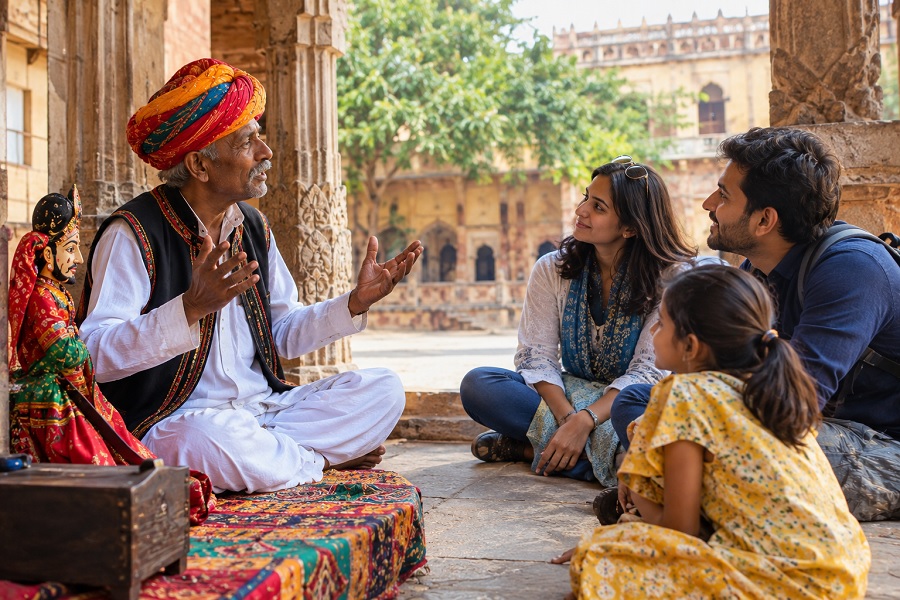
Phad painting is traditionally associated with Rajasthan. These narrative paintings have historically been used to tell stories through detailed visual compositions.
Visitors can explore Phad art through cultural institutions, workshops, exhibitions, and artist communities.
Bhil Art
Bhil art is associated with the Bhil communities of central and western India. Traditional artistic expressions often incorporate dots, natural subjects, animals, plants, and scenes inspired by community life.
Exploring this art provides travelers with an opportunity to learn about indigenous artistic expression and cultural storytelling.
Saura Art
Saura painting is associated with Odisha and the Saura tribal community. Traditional designs often feature human figures, animals, plants, and symbolic elements.
Travelers can discover Saura art through exhibitions, cultural programs, and workshops focused on traditional art practices.
Visiting Indigenous Art Villages
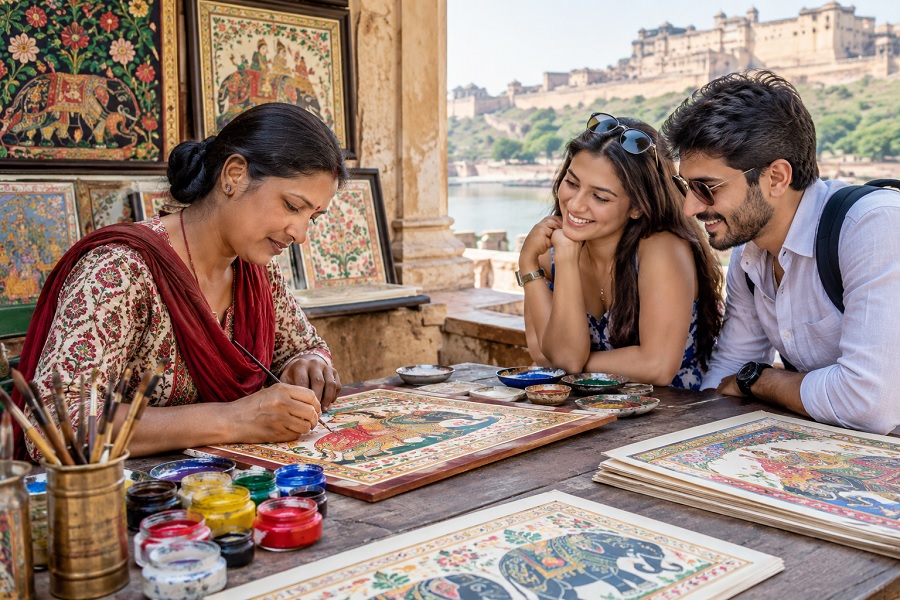
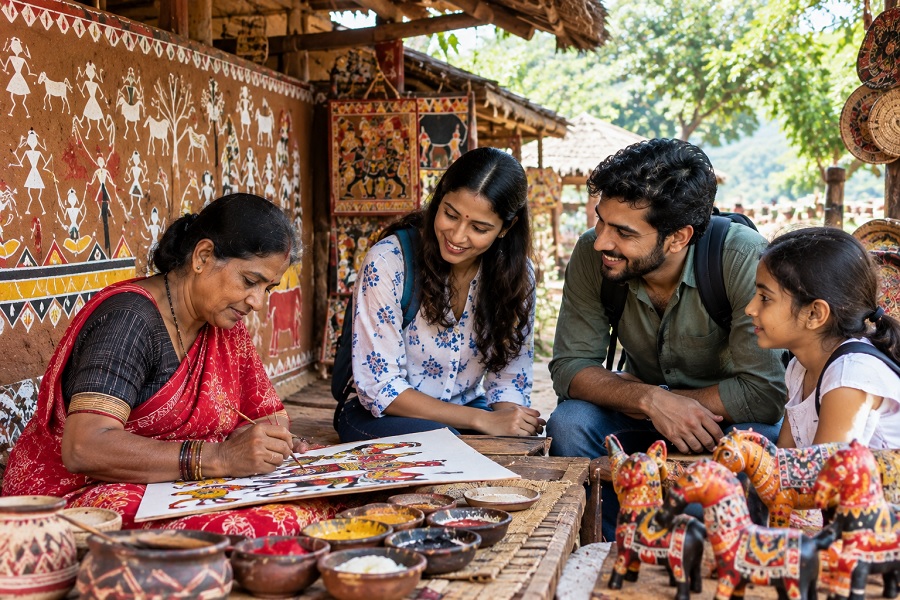
Art villages can provide a more immersive cultural tourism experience. Instead of simply viewing finished paintings, visitors may see artists preparing materials, creating designs, explaining traditional methods, and teaching painting techniques.
Such visits can also introduce travelers to local lifestyles, architecture, food, festivals, and community traditions.
Art Workshops for Travelers
Hands-on workshops are an important part of painting tourism. Travelers can join short sessions where local artists demonstrate traditional techniques.
Depending on the destination, workshops may include:
Traditional painting
Natural color preparation
Folk-art drawing
Textile painting
Pottery decoration
Block printing
Tribal-inspired artwork
Traditional pattern design
Workshops can be suitable for families, students, solo travelers, couples, and art enthusiasts.
Museums and Cultural Centers
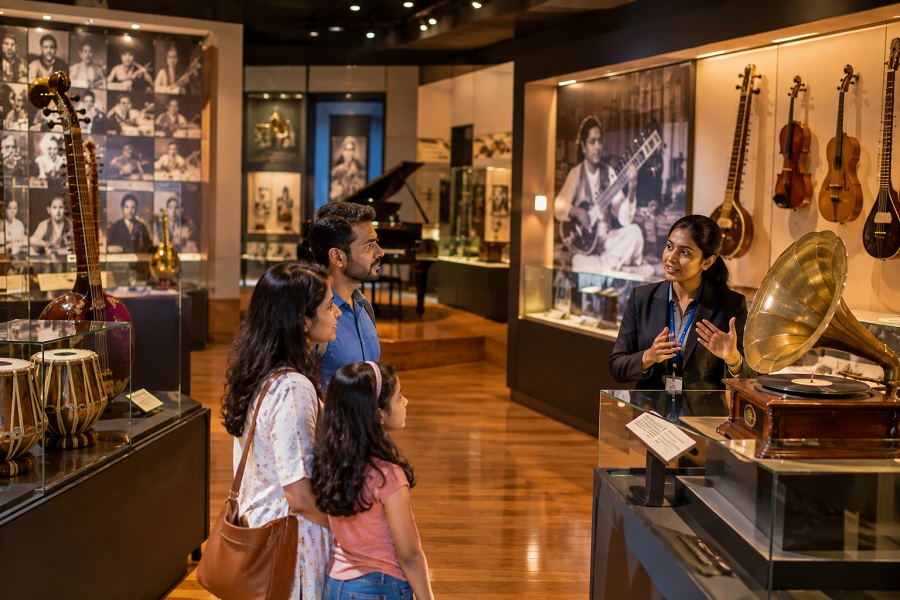
Museums and cultural institutions help travelers understand the historical development of Indian art. They may display traditional paintings alongside information about artists, communities, materials, techniques, and cultural contexts.
Before visiting, travelers can check exhibition schedules and workshop programs because special cultural events may change throughout the year.
Indigenous Art and Cultural Storytelling
Many traditional paintings communicate stories, beliefs, environmental knowledge, celebrations, and community memories. Understanding these stories can make the travel experience more meaningful.
Instead of focusing only on the visual appearance of artwork, travelers can learn about:
Traditional symbols
Local mythology
Community traditions
Nature and wildlife
Festivals
Agriculture
Family and social life
Spiritual traditions
Historical events
Supporting Local Artists
Purchasing authentic artwork directly from artists or reputable community organizations can help support creative livelihoods.
Travelers should ask about the origin of artwork and choose authentic handmade products whenever possible. Fair purchasing practices can contribute to the sustainability of cultural tourism.
Responsible Indigenous Art Tourism
Responsible travel is particularly important when visiting indigenous and traditional communities.
Travelers should:
Respect local customs
Ask permission before photographing people
Avoid entering private spaces without permission
Purchase authentic products
Avoid bargaining excessively with individual artists
Follow local visitor guidelines
Avoid misrepresenting cultural symbols
Respect sacred traditions and locations
Reduce plastic waste
Support local businesses
Cultural tourism should allow communities to maintain control over how their traditions are presented and shared.
Painting Tourism for Families
Families can make cultural art tourism educational and enjoyable by participating in workshops and museum visits.
Children can learn about colors, patterns, traditional stories, materials, and regional diversity while creating their own artwork under the guidance of an artist.
Painting Tourism for Solo Travelers
Solo travelers can explore galleries, art villages, museums, cultural festivals, and artist workshops at their own pace. Art-based experiences can also create opportunities to interact with local artists and other travelers.
Cultural Photography and Indigenous Art
Photography can document artistic details, workshops, architecture, festivals, and cultural surroundings. However, travelers should always respect photography rules and ask permission before photographing artists, community members, sacred objects, or private activities.
Best Time for Art and Cultural Travel
The best time depends on the destination and the cultural events being organized. Travelers interested in festivals, exhibitions, workshops, and craft fairs should check local event calendars before planning their trip.
Weather should also be considered when visiting rural art communities or combining art tourism with outdoor sightseeing.
How to Plan a Painting and Indigenous Art Tourism Trip
A simple planning approach includes:
Select an art tradition or region.
Research authentic cultural experiences.
Identify museums, galleries, workshops, or artist communities.
Check opening hours and workshop availability.
Learn basic information about the art form.
Respect local cultural guidelines.
Carry a camera only where photography is permitted.
Keep enough time for conversations and workshops.
Purchase artwork responsibly.
Support local accommodation, food, and transportation providers.
Sustainable Cultural Tourism Through Art
Painting and indigenous art tourism can contribute to sustainable tourism when local communities benefit directly from visitors.
Community-based workshops, local galleries, craft markets, homestays, and cultural programs can help distribute tourism income while encouraging the continuation of traditional skills.
Travelers can contribute by choosing locally operated experiences and purchasing authentic handmade products rather than mass-produced imitations.
The Future of Painting and Indigenous Art Tourism
Technology is creating new ways to discover and promote traditional art. Digital galleries, virtual exhibitions, online storytelling, social media, digital archives, and AI-supported travel planning can make cultural information easier to access.
At the same time, physical experiences remain important because travelers can meet artists, observe techniques, participate in workshops, and understand the cultural environment where art traditions developed.
The future of indigenous art tourism is likely to combine digital discovery with responsible, community-centered travel experiences.
Conclusion
Painting and Indigenous Art Tourism offers travelers a unique way to explore India's cultural diversity through colors, stories, traditions, and creative expression. From Madhubani and Warli to Gond, Pattachitra, Kalamkari, Phad, Bhil, and Saura art, India's traditional painting heritage provides countless opportunities for cultural discovery.
By visiting artists, participating in workshops, exploring museums, purchasing authentic artwork, and respecting local communities, travelers can enjoy meaningful experiences while supporting the continuation of traditional artistic practices.