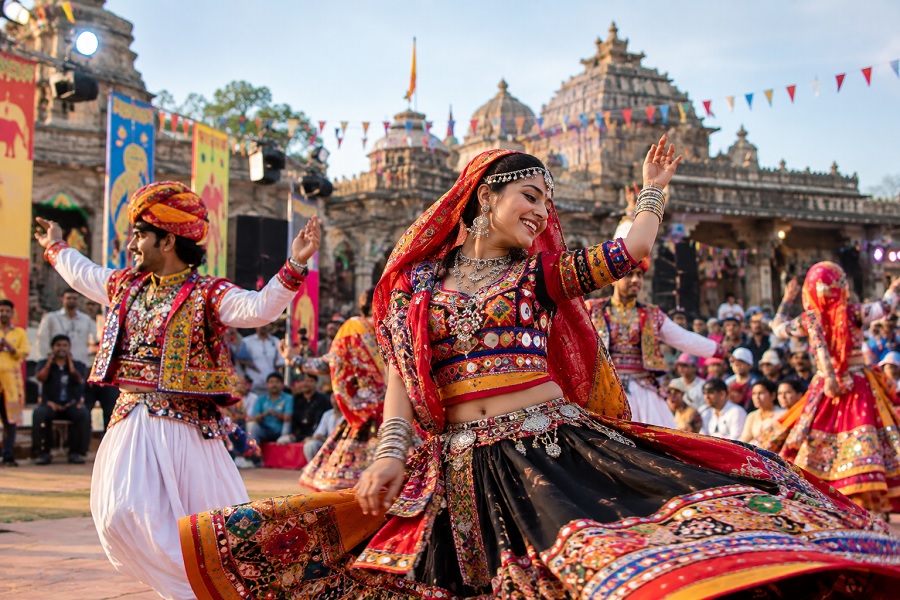
Discover Traditional Painting Villages: Authentic Art, Culture and Artisan Experiences
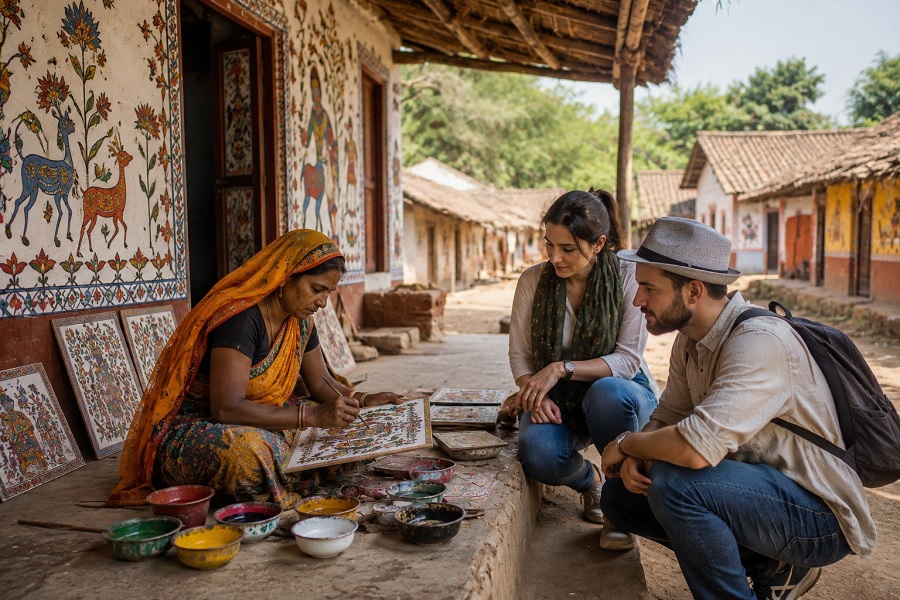
Traditional Painting Village Tours: Discovering Living Art and Local Heritage
Traditional Painting Village Tours offer travelers an opportunity to experience art beyond galleries and museums. These journeys take visitors into villages where painting traditions are preserved through generations, allowing them to meet local artists, observe traditional techniques and understand the cultural stories behind regional artwork.
In 2026, cultural travelers are increasingly interested in authentic experiences that connect them directly with local communities. A visit to a traditional painting village can combine art, history, architecture, food, festivals and hands-on workshops in one memorable journey.
What Are Traditional Painting Village Tours?
Traditional Painting Village Tours are cultural travel experiences centered around villages known for their distinctive painting traditions. Visitors can explore artists' homes and workshops, watch demonstrations and learn how local paintings are created.
Depending on the destination, travelers may discover folk paintings, religious artwork, nature-inspired designs, storytelling paintings, miniature art or traditional decorative styles.
The main attraction is the opportunity to see artists working in their own cultural environment rather than simply viewing finished artwork in a commercial gallery.
Why Traditional Painting Villages Are Special
Traditional painting villages often function as living cultural centres. Artistic knowledge can be passed from parents and grandparents to younger generations, helping preserve techniques that may be centuries old.
Paintings can also reflect local history, mythology, religious beliefs, agricultural traditions, celebrations and everyday life. This makes the artwork valuable not only as decoration but also as a form of cultural storytelling.
Visitors can gain a deeper appreciation of an artistic tradition by understanding the community and environment in which it developed.
What Travelers Can Experience
A traditional painting village tour can include several activities.
Artist Studio Visits
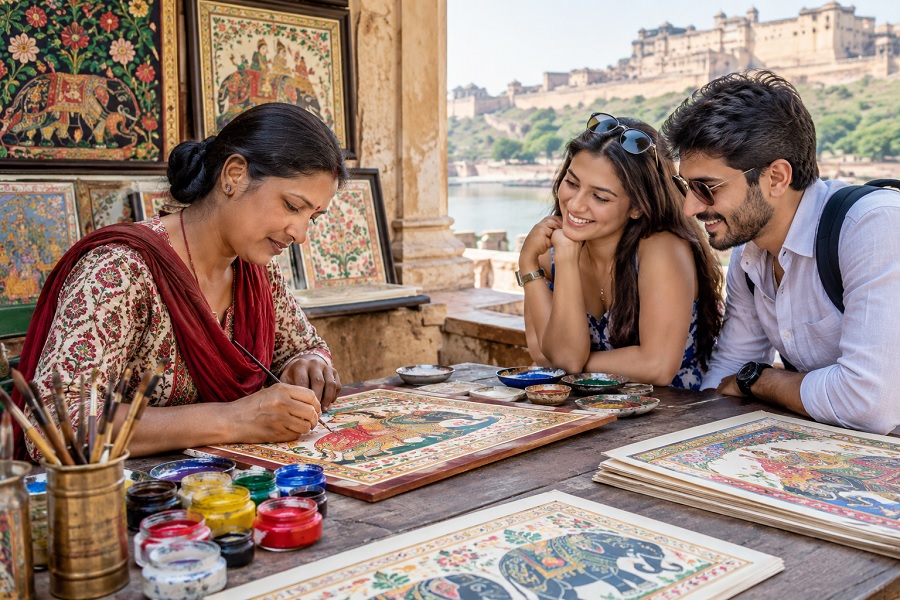
Travelers can visit local workshops and observe artists preparing materials, drawing designs and applying colours. Some artists may explain the techniques used and the meaning of particular motifs.
Live Painting Demonstrations
Watching a painting develop from an initial outline into a detailed finished work provides a fascinating look at the skill and patience involved in traditional art.
Hands-On Art Workshops
Many cultural tourism programs offer short workshops where visitors can create their own artwork. These activities can be suitable for beginners and families.
Cultural Storytelling
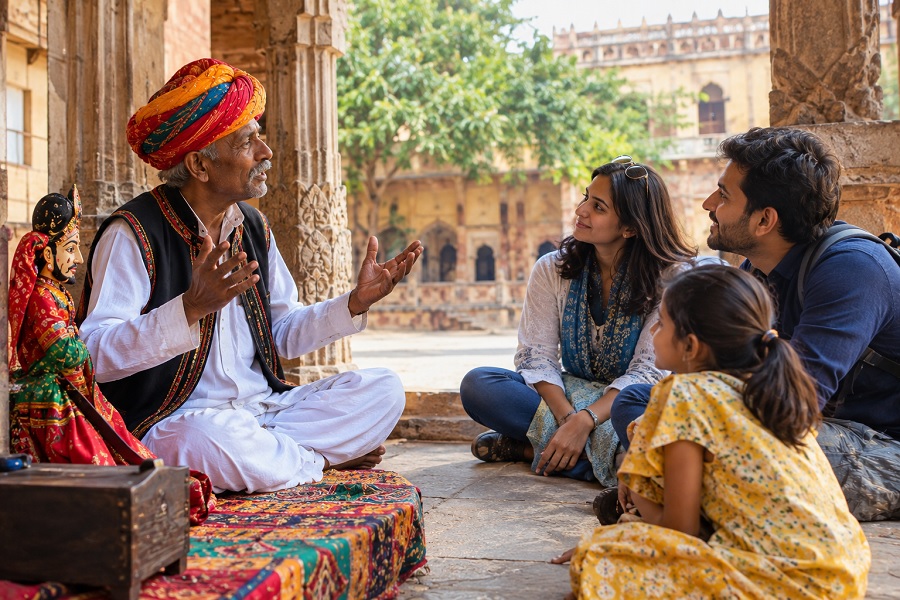
Artists and local guides can explain the stories, legends and traditions represented in paintings. This helps visitors understand the cultural context behind the artwork.
Local Handicraft Shopping
Painting villages may also have shops or community markets selling paintings, handmade decorations, textiles and other crafts. Purchasing directly from artisans can help support local creative communities.
Traditional Painting Styles to Discover
Different regions have developed their own artistic languages.
Some traditions emphasize bold natural colours and geometric patterns, while others feature detailed figures, religious subjects, animals, plants or scenes from local stories.
Travelers may encounter miniature painting, folk painting, mural traditions, tribal-inspired artwork and decorative village painting styles.
The distinctive character of each tradition is influenced by local materials, climate, history and cultural practices.
Best Destinations for Painting Village Experiences in India
India offers numerous opportunities to explore traditional painting and folk-art communities.
Madhubani Painting Villages, Bihar
The Madhubani region is associated with the famous Mithila painting tradition. Visitors interested in folk art can explore local workshops and learn about the distinctive patterns, themes and storytelling elements associated with this art form.
Raghurajpur, Odisha
Raghurajpur is widely known for its traditional Pattachitra artists and craft heritage. A village visit can introduce travelers to detailed paintings inspired by mythology, religious traditions and local culture.
Nathdwara, Rajasthan
Nathdwara has a strong tradition of devotional painting associated with the Shrinathji tradition. Cultural travelers can explore the area's artistic heritage alongside its temples and historic atmosphere.
Pingla, West Bengal
Pingla is associated with the Bengal patachitra tradition. Travelers can discover scroll paintings and storytelling performances while learning about the communities that preserve this art.
Bhuj and Kutch, Gujarat
The Kutch region offers a broad range of traditional crafts and visual arts. Travelers can combine painting-related experiences with embroidery, textiles, pottery and village craft tours.
When Is the Best Time to Visit?
The ideal season depends on the specific destination.
For many Indian village tourism destinations, the cooler months from October to March can provide more comfortable conditions for walking through villages and participating in outdoor cultural activities.
Festival periods can also be interesting because villages may organize cultural performances, exhibitions and craft demonstrations. However, travelers should confirm local festival dates before planning a trip.
Traditional Painting Village Tours for Families
These tours can be particularly enjoyable for families because they combine education with hands-on activities.
Children can learn about colours, patterns and traditional storytelling while creating their own simple artwork. Parents can use the experience to introduce children to cultural preservation and local craftsmanship.
Choosing a workshop designed specifically for beginners can make the experience more enjoyable for younger travelers.
Photography Opportunities
Traditional painting villages can offer excellent photography opportunities.
Visitors can capture artist workshops, painting tools, colourful artworks, village architecture and cultural surroundings. However, travelers should always ask permission before photographing artists, homes or people.
Photography becomes more meaningful when it respects the privacy and traditions of the local community.
Sustainable Cultural Tourism
Traditional Painting Village Tours can contribute to sustainable tourism when they directly benefit local communities.
Travelers can support responsible tourism by:
Buying artwork directly from local artists.
Choosing community-run tours and workshops.
Respecting local customs and private spaces.
Avoiding unnecessary bargaining with individual artisans.
Asking permission before taking photographs.
Using locally owned accommodation where available.
Avoiding disposable plastic during village visits.
Learning about the cultural significance of the artwork.
Supporting local artists can help keep traditional skills economically viable for future generations.
Tips for Planning a Traditional Painting Village Tour
Before visiting a traditional painting village, travelers should research the artistic tradition and local customs.
It is useful to:
Book workshops in advance when possible.
Carry comfortable footwear for village walks.
Keep cash available for small purchases where digital payments may not be available.
Ask whether photography is permitted.
Carry a reusable water bottle.
Allow enough time for conversations with artists.
Purchase authentic artwork directly from recognized artisans.
Pack artwork carefully for transportation.
Check local weather conditions before traveling.
Respect religious and cultural spaces.
What to Buy as Souvenirs
Traditional paintings can make meaningful souvenirs because they represent the artistic identity of a particular community.
Travelers may find original paintings, smaller art pieces, handmade greeting cards, decorative panels and other craft products.
When buying artwork, visitors can ask the artist about the materials, technique and story behind the piece. This creates a more personal connection with the souvenir.
Why This Experience Matters in 2026
Cultural tourism is increasingly moving toward experiences that provide meaningful connections with local communities. Traditional Painting Village Tours fit this trend by allowing travelers to interact directly with artists and understand how cultural traditions survive in everyday life.
Rather than simply viewing traditional art as an exhibition, visitors can see the creative process, meet the people behind the artwork and contribute to local cultural economies.
Conclusion
Traditional Painting Village Tours provide a unique way to discover cultural heritage through art, storytelling and community interaction. Travelers can watch skilled artists at work, participate in workshops, explore village traditions and purchase locally made artwork.
For cultural travelers in 2026, these tours offer more than beautiful paintings. They provide an opportunity to understand the history, identity and creativity of communities while supporting the continuation of traditional artistic practices.
Whether exploring Madhubani painting traditions in Bihar, Pattachitra art in Odisha, Bengal patachitra in West Bengal or the diverse craft heritage of Kutch, a traditional painting village tour can become an enriching and memorable cultural travel experience.