Discover Rajasthan’s Folk Culture and Heritage Tourism Through Art, Music, Festivals and History

Rajasthan’s Folk Culture and Heritage Tourism
Rajasthan is one of India’s most distinctive cultural tourism destinations, known for its royal history, magnificent forts, colourful festivals, traditional arts, folk music, dance, handicrafts and vibrant local traditions. For travellers looking beyond ordinary sightseeing, Rajasthan offers opportunities to experience a living culture that continues to connect the present with centuries of history.
From the royal palaces of Jaipur and Udaipur to the desert traditions of Jaisalmer and Jodhpur, every region of Rajasthan offers its own cultural character. The state’s tourism experience combines historic architecture, traditional performances, local cuisine, handicrafts and community traditions.
Folk Music and Dance
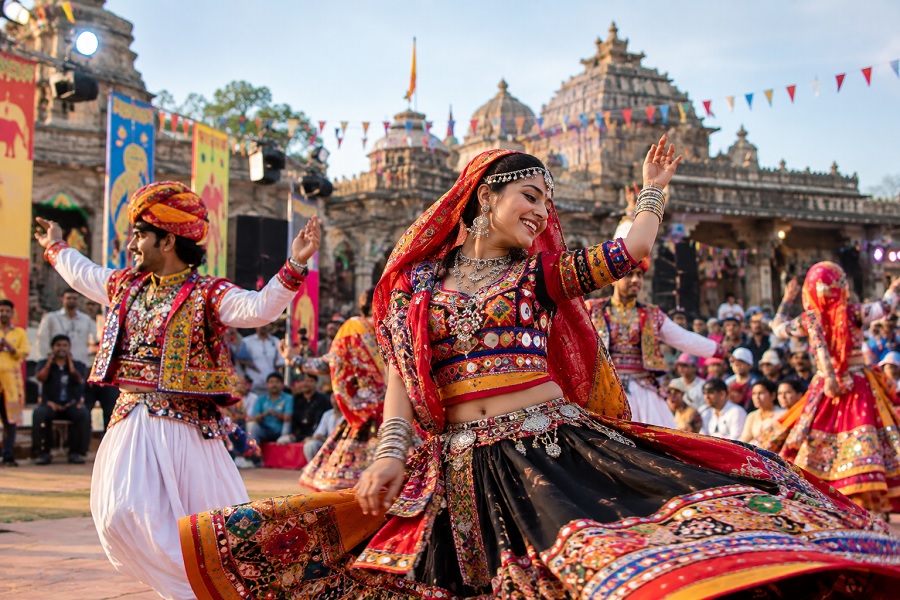
Folk music is an important part of Rajasthan’s cultural identity. Traditional performers use instruments such as the dholak, kamayacha and other regional instruments to accompany songs and stories about heroes, romance, devotion and everyday life.
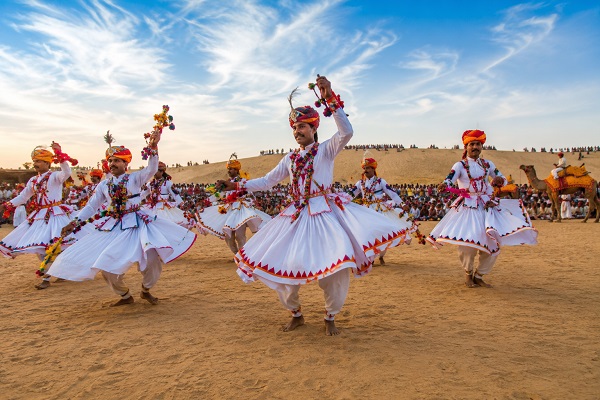
Popular folk dance forms include Ghoomar, Kalbelia, Gair and Bhawai. These performances are frequently featured during festivals and cultural programmes, giving visitors an opportunity to experience Rajasthan’s performing arts in an authentic setting.
Kalbelia folk songs and dances of Rajasthan are also recognised as an element of India’s intangible cultural heritage.
Traditional Puppetry and Storytelling
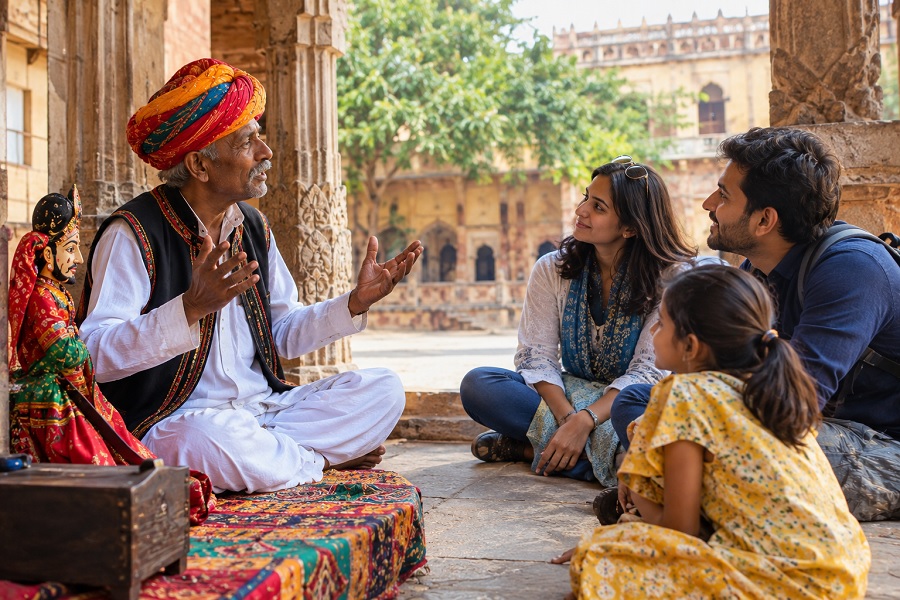
Kathputli, Rajasthan’s traditional string puppetry, is another important cultural attraction. The art combines puppetry, music, storytelling and traditional costumes.
Kathputli performances historically travelled between villages and royal gatherings, using stories of legendary figures and social themes. The tradition continues to be associated with Rajasthan’s cultural identity and provides visitors with an engaging way to understand local storytelling traditions.
Forts and Royal Heritage
Rajasthan’s forts and palaces are among the most important attractions for heritage tourism. Historic structures across Jaipur, Jodhpur, Udaipur, Jaisalmer, Chittorgarh and other cities provide insight into the state’s royal history, architecture and traditions.
The Hill Forts of Rajasthan are included on the UNESCO World Heritage List, while Jaipur City and the Jantar Mantar in Jaipur are also internationally recognised heritage properties.
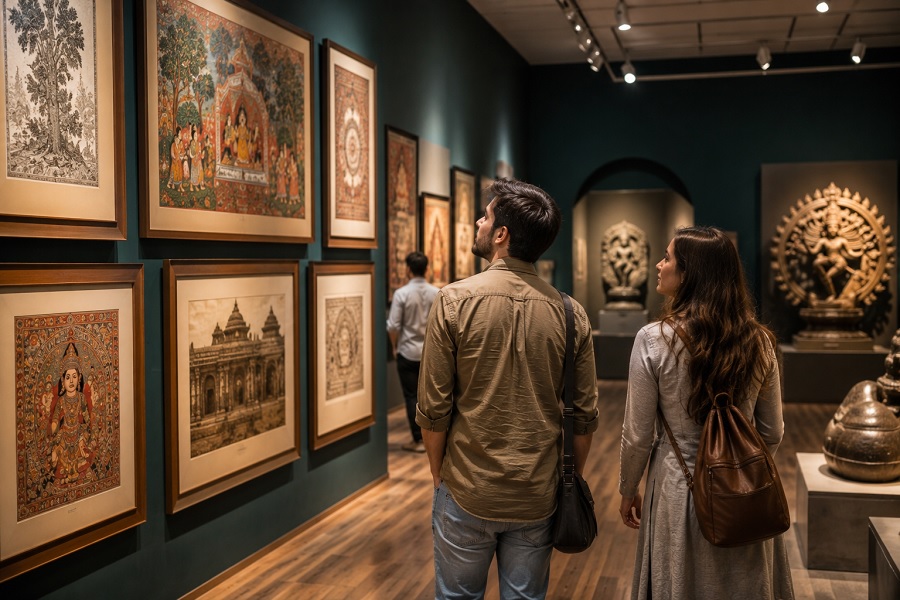
Visitors can explore massive fort walls, royal courtyards, historic gates, museums, temples and palace interiors while learning about the history of Rajasthan’s former kingdoms.
Traditional Arts and Handicrafts
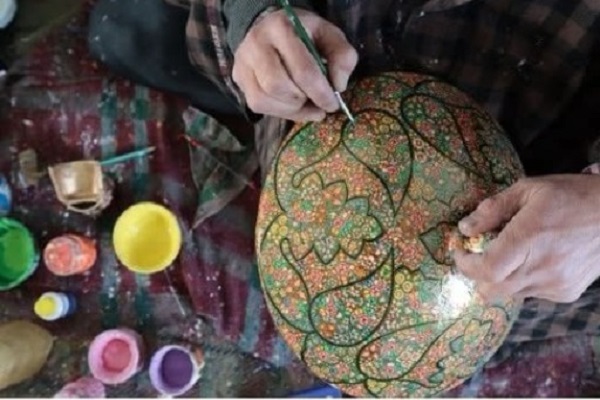
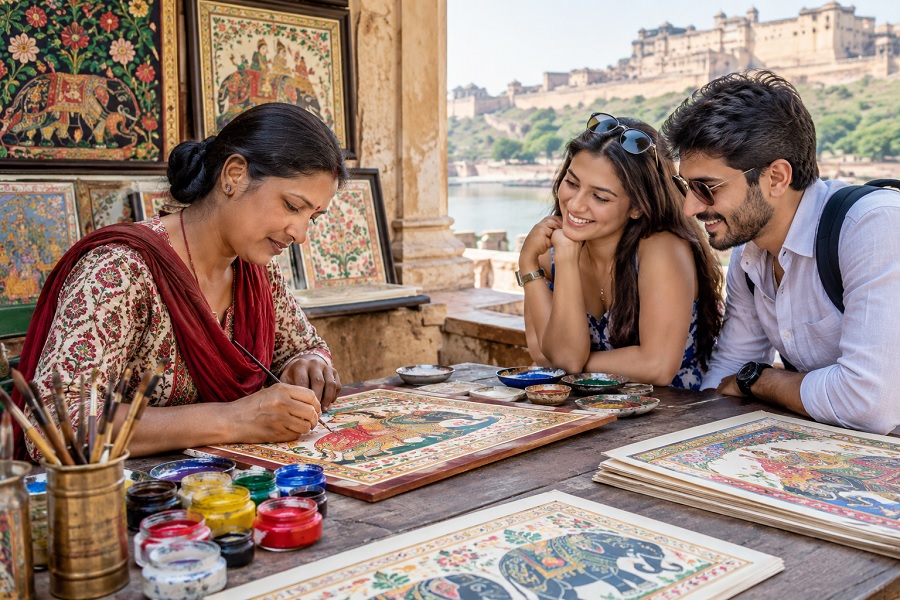
Rajasthan has a diverse handicraft tradition that includes textiles, jewellery, paintings, pottery, woodwork and metalwork. Important artistic traditions include Phad painting, Pichwai painting, miniature painting, Mandana, Meenakari jewellery, Bandhani textiles and traditional block printing.
Local markets provide opportunities for travellers to purchase handmade products while supporting artisans and traditional craft communities.
Festivals as Cultural Tourism Experiences
Festivals play a major role in Rajasthan’s cultural tourism. They bring together traditional music, dance, food, costumes, crafts and community celebrations.
The Rajasthan Tourism calendar includes cultural events such as the Marwar Festival, Bundi Festival, Kumbhalgarh Festival, Ranakpur Festival and Mount Abu Winter Festival.
The Marwar Festival 2026, scheduled for 24–25 October in Jodhpur, will showcase folk music, traditional dance, cultural performances and regional heritage.
The Bundi Festival 2026, scheduled for 27–29 November, will feature traditional performances, arts and crafts, cultural exhibitions and local artistic traditions.
Cultural Tourism in the Desert
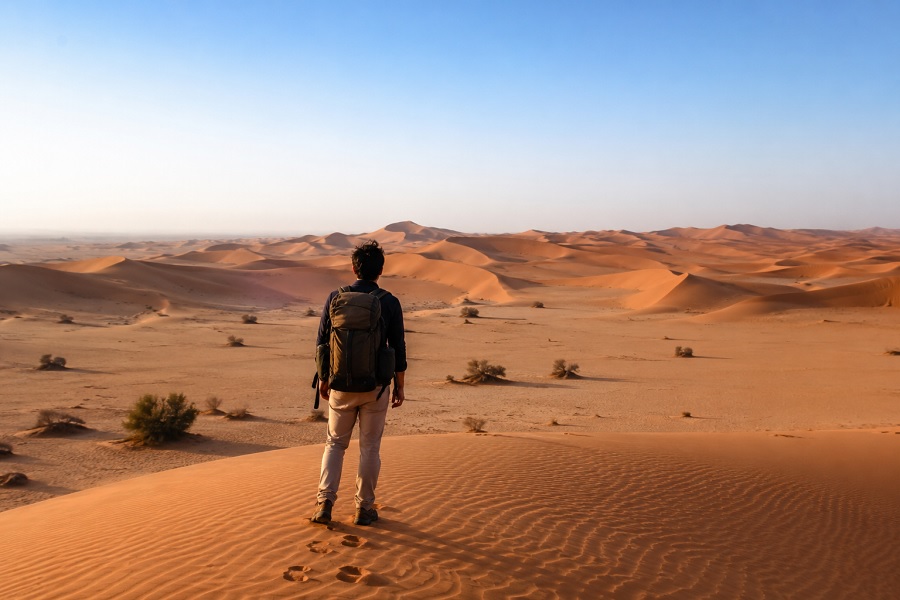
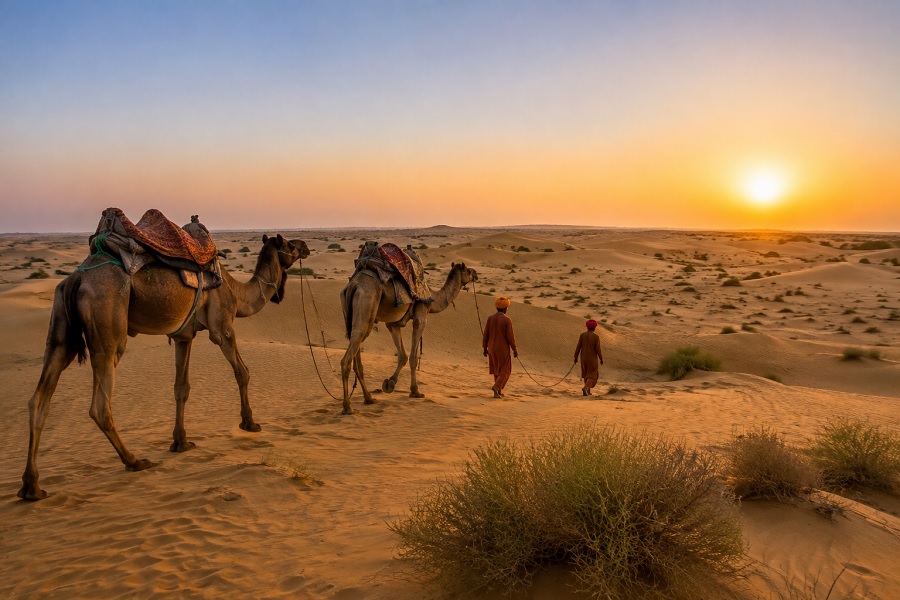
The Thar Desert provides a unique setting for experiencing Rajasthan’s folk traditions. Visitors can combine desert travel with traditional music, dance performances, local food and visits to historic settlements.
Jaisalmer and Jodhpur are particularly popular for travellers interested in combining desert landscapes with architecture and folk culture.
Heritage Hotels and Royal Experiences
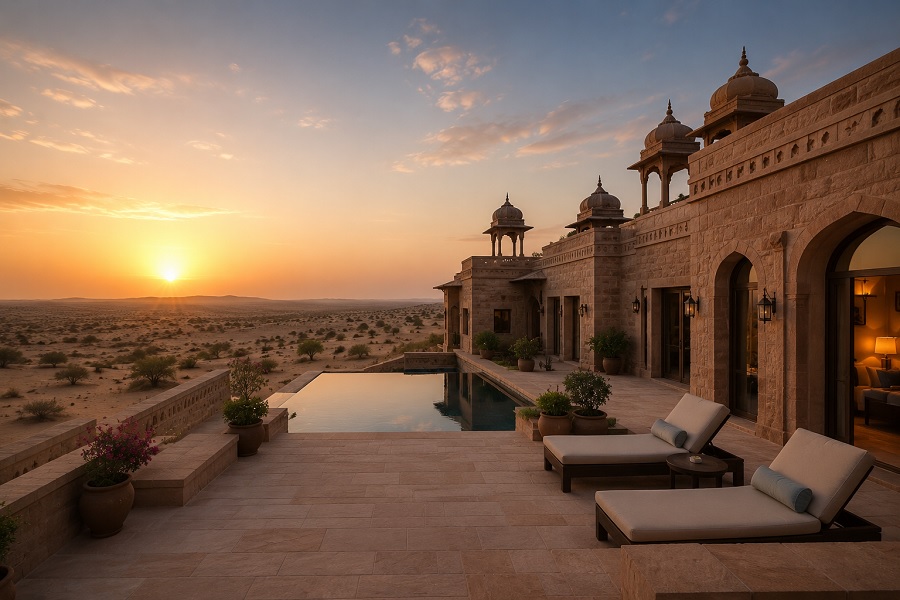
Heritage properties allow visitors to experience Rajasthan’s architectural traditions while staying in historic surroundings. Former palaces, havelis and other restored properties have become an important part of the state’s heritage tourism offering.
These stays can provide travellers with opportunities to experience traditional architecture, regional cuisine, local hospitality and cultural performances.
Local Food and Culinary Heritage
Rajasthani cuisine is another important part of cultural tourism. Traditional dishes such as dal baati churma, gatte ki sabzi, ker sangri and various regional sweets reflect the state’s food traditions and local ingredients.
Exploring local restaurants, traditional food experiences and regional markets can make a cultural trip more immersive.
Why Rajasthan’s Folk Culture Matters to Tourism
Cultural tourism can help preserve traditional art forms while creating opportunities for local artists, craftspeople, performers, guides and hospitality businesses.
When travellers purchase locally made crafts, attend cultural performances and visit heritage attractions responsibly, tourism can contribute to the continued visibility and economic sustainability of traditional cultural practices.
The Future of Rajasthan’s Cultural Tourism
Rajasthan’s cultural tourism is increasingly moving toward experience-based travel. Instead of simply visiting monuments, travellers are looking for opportunities to participate in local traditions, discover traditional crafts, attend festivals, taste regional food and interact with communities.
The state’s 2026 tourism initiatives and festival calendar continue to place emphasis on heritage, culture, festivals and visitor experiences.
For travellers interested in history, art, architecture, music and traditional lifestyles, Rajasthan remains one of India’s strongest cultural tourism destinations.
Conclusion
Rajasthan’s folk culture and heritage tourism offer a colourful combination of history, architecture, music, dance, handicrafts, festivals, food and local traditions. From grand forts and royal palaces to village crafts and folk performances, the state provides travellers with many ways to experience its cultural heritage.
As tourism continues to evolve, Rajasthan’s greatest strength is its ability to keep traditional culture connected with modern travel experiences. A journey through Rajasthan is therefore not just a sightseeing trip, but an opportunity to experience the stories, creativity and traditions that continue to shape the identity of the region.