Discover India’s Rich Culture Through Saree Heritage Tourism
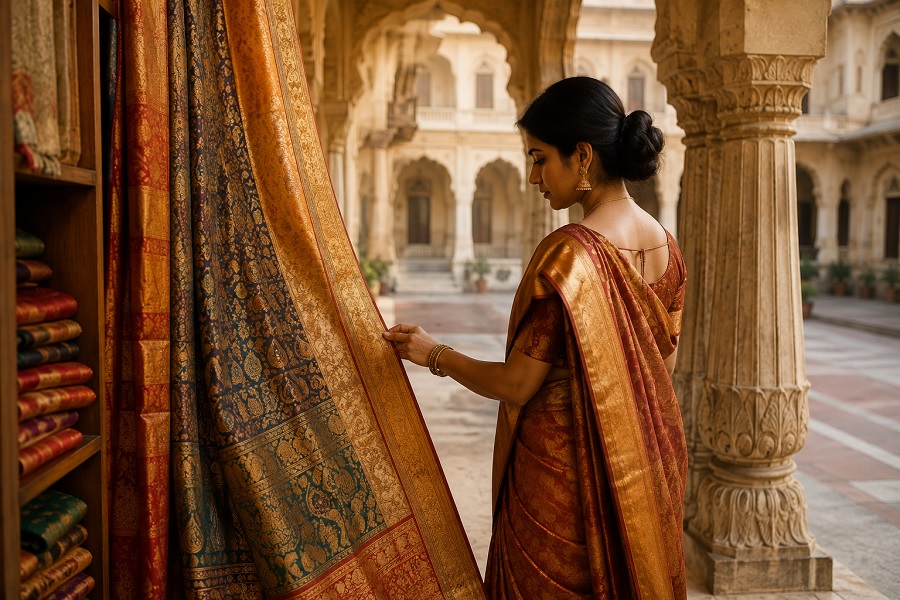
Saree Heritage Tourism: Exploring India’s Timeless Textile Traditions
Saree Heritage Tourism is an emerging cultural travel experience that allows visitors to discover India's rich textile traditions, regional weaving communities, traditional craftsmanship, and centuries-old fashion heritage. More than a garment, the saree represents the history, identity, artistry, and cultural diversity of different Indian regions.
From Banarasi silk and Kanchipuram silk to Paithani, Chanderi, Sambalpuri, Jamdani, and handwoven cotton sarees, every tradition has its own distinctive weaving techniques, motifs, colors, and stories.
What Is Saree Heritage Tourism?
Saree Heritage Tourism involves traveling to destinations known for traditional saree production, weaving, dyeing, embroidery, textile markets, museums, artisan communities, and cultural exhibitions.
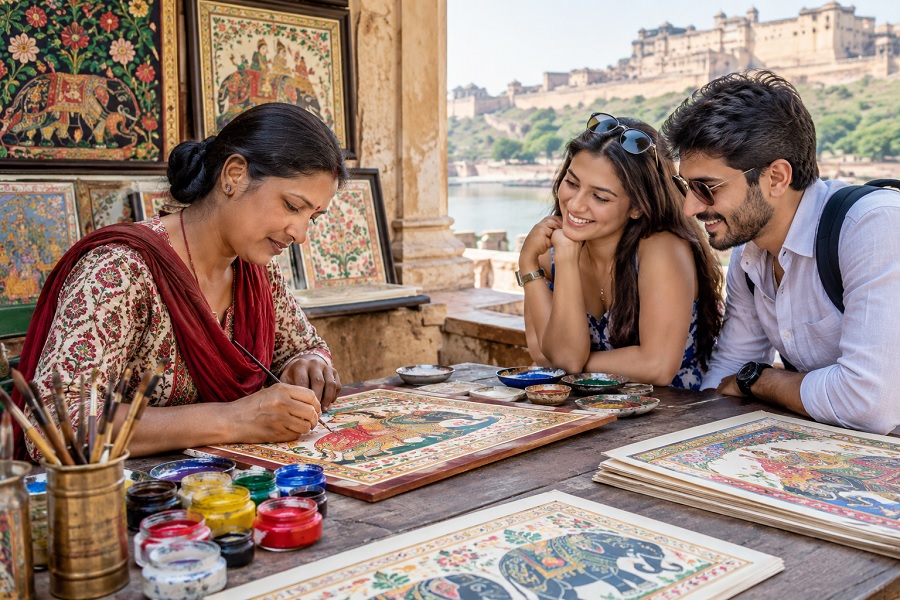
Visitors can learn how sarees are designed and produced, meet artisans, explore traditional markets, participate in weaving workshops, and purchase authentic textiles directly from local sellers or craft communities.
Why Saree Heritage Tourism Is Becoming Popular
Modern travelers increasingly want authentic cultural experiences rather than only visiting conventional attractions. Saree tourism provides an opportunity to experience Indian heritage through textiles and craftsmanship.
Travelers can discover how regional traditions influence patterns, fabrics, colors, weaving styles, and clothing practices. The experience can also support local artisans and encourage the preservation of traditional textile skills.
Famous Saree Traditions of India
Banarasi Sarees – Varanasi
Banarasi sarees are closely associated with Varanasi and are known for their rich silk fabrics and elaborate designs. Visitors can explore weaving areas, textile shops, workshops, and markets to understand the craftsmanship behind these famous sarees.
Kanchipuram Silk Sarees – Tamil Nadu
Kanchipuram is renowned for traditional silk sarees featuring distinctive designs and rich colors. A cultural trip can include visits to local weaving communities and traditional textile stores.
Paithani Sarees – Maharashtra
Paithani sarees are an important part of Maharashtra's textile heritage. Paithani weaving is associated particularly with the town of Paithan and surrounding regions. Their colorful designs and traditional motifs make them an important part of Maharashtra's cultural identity.
Chanderi Sarees – Madhya Pradesh
Chanderi textiles are admired for their lightweight fabrics, delicate appearance, and traditional motifs. Travelers interested in textile heritage can explore the region's weaving traditions and local craft communities.
Sambalpuri Sarees – Odisha
Sambalpuri textiles are famous for their traditional patterns and regional cultural motifs. A visit to Odisha can combine textile exploration with temples, handicrafts, festivals, and other cultural attractions.
Jamdani Sarees – Bengal
Jamdani weaving is celebrated for intricate motifs and detailed craftsmanship. Travelers interested in Bengal's textile traditions can explore weaving communities and learn about the skills involved in producing these textiles.
Saree Weaving Experiences
One of the most interesting aspects of saree heritage tourism is witnessing the weaving process.
Visitors may learn about:
Yarn preparation
Traditional looms
Dyeing techniques
Pattern creation
Weaving methods
Border designs
Traditional motifs
Embroidery
Finishing techniques
Saree packaging and presentation
Some craft destinations also offer demonstrations or workshops where travelers can interact directly with artisans.
Cultural Markets and Saree Shopping
Traditional textile markets are an important part of saree tourism. Exploring local markets allows travelers to compare fabrics, patterns, weaving techniques, and regional styles.
Instead of purchasing only mass-produced souvenirs, travelers can look for authentic handwoven products and learn about their origin and craftsmanship.
When purchasing expensive traditional textiles, buyers should ask sellers about the fabric, weaving method, authenticity, care requirements, and artisan origin.
Sarees as Cultural Storytelling
Every traditional saree can tell a story about the community that created it.
Motifs may represent nature, architecture, mythology, festivals, animals, flowers, or regional traditions. Colors and weaving techniques can also reflect local cultural preferences.
This makes saree tourism an excellent way to understand India's diverse cultural heritage through fashion and craftsmanship.
Saree Tourism and Artisan Communities
Artisans are at the heart of saree heritage tourism. Traditional weaving requires specialized skills that are often passed from one generation to another.
Responsible tourism can provide artisans with additional income opportunities while increasing awareness of their craftsmanship.
Travelers can support artisan communities by purchasing authentic products, visiting legitimate craft centers, respecting workshop rules, and learning about the people behind the textiles.
Saree Heritage Tourism for International Travelers
International visitors can experience saree culture through textile tours, museums, craft villages, cultural festivals, workshops, and guided shopping experiences.
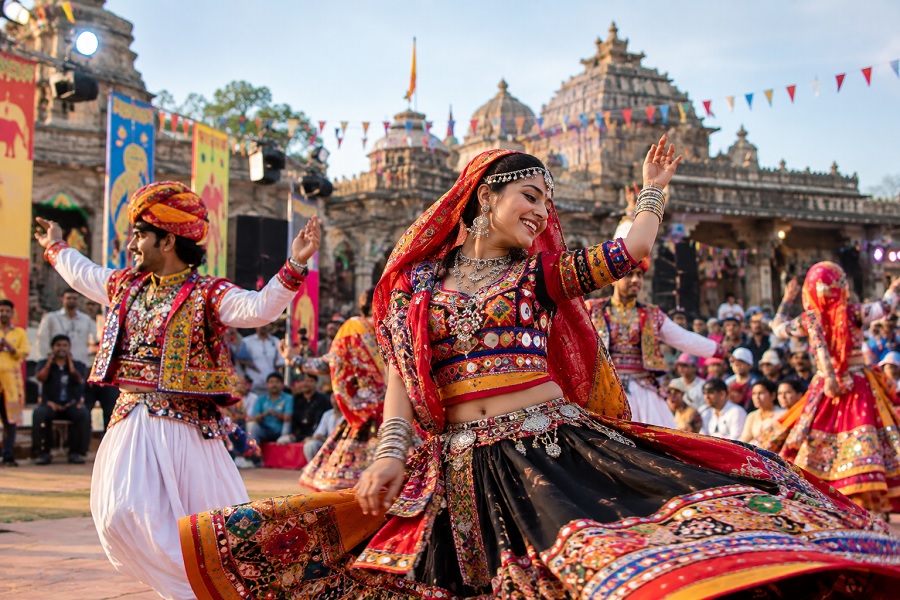
A saree-focused itinerary can also be combined with India's historical monuments, temples, food experiences, traditional music, dance performances, and local markets.
This creates a broader cultural journey rather than a shopping-only trip.
Saree Tourism for Couples
Couples can make saree heritage tourism part of a romantic cultural holiday. They can explore traditional markets together, attend weaving demonstrations, select regional textiles, and enjoy local food and sightseeing.
For couples visiting India for weddings or celebrations, exploring regional sarees can also become a meaningful way to understand India's wedding traditions.
Saree Heritage Tourism and Weddings
Indian weddings have a strong connection with traditional textiles. Different regions have their own preferred sarees for ceremonies and celebrations.
Saree tourism allows visitors to discover bridal textiles, festive sarees, traditional jewelry combinations, and regional dressing styles.
Wedding travelers can explore local textile markets to find distinctive sarees that represent the culture of the destination.
Sustainable Saree Tourism
Handloom and traditional textile tourism can contribute to sustainable cultural travel when it supports genuine artisan communities and responsible production.
Travelers can consider handwoven textiles, learn about natural dyeing practices, avoid unnecessary overconsumption, and choose products with clear information about their origin.
Supporting local artisans also helps maintain traditional skills and cultural knowledge.
Best Experiences During a Saree Heritage Tour
A well-planned saree heritage itinerary can include:
Visiting a traditional weaving center
Watching artisans work on handlooms
Exploring local textile markets
Learning about regional saree history
Participating in a weaving demonstration
Visiting a textile museum
Attending a cultural festival
Trying traditional regional cuisine
Purchasing authentic handloom sarees
Photographing traditional textile displays where permitted
Tips for Planning a Saree Heritage Trip
Research the textile tradition before traveling so you know what makes each saree distinctive. Visit reputable stores or recognized craft centers when purchasing valuable textiles.
Carry appropriate payment options and keep purchase receipts for expensive items. When visiting artisan workshops, be respectful of working spaces and ask permission before taking photographs.
It is also useful to understand fabric care because silk, cotton, wool, and blended textiles may require different storage and cleaning methods.
Future of Saree Heritage Tourism
Saree Heritage Tourism has significant potential as travelers increasingly seek authentic cultural experiences. Digital storytelling, artisan-led tours, textile museums, craft workshops, and responsible shopping experiences can make traditional textile tourism more accessible.
Technology can also help travelers learn about the origin and craftsmanship of textiles before purchasing them.
Conclusion
Saree Heritage Tourism offers a fascinating journey into India's textile history, craftsmanship, fashion, and regional culture. From traditional weaving villages and artisan workshops to colorful markets and heritage museums, travelers can discover the stories woven into India's iconic sarees.
By choosing authentic experiences and supporting artisan communities, tourists can enjoy beautiful textiles while contributing to the preservation of traditional craftsmanship. For anyone interested in culture, fashion, history, shopping, or responsible travel, a saree heritage journey can be an unforgettable Indian travel experience.