Dance Forms That Attract Tourists Around the World
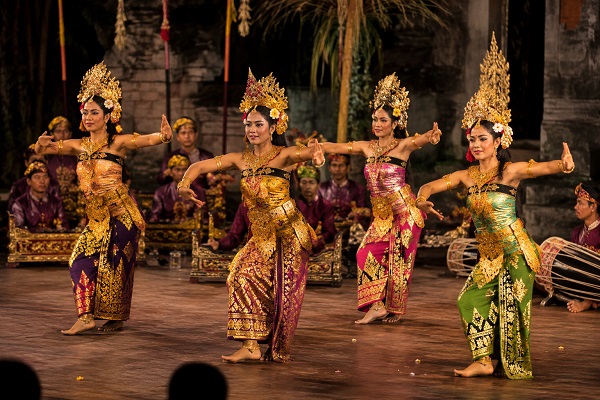
Travel is not just about visiting beautiful destinations; it is also about experiencing the culture, traditions, and heritage of a place. One of the most captivating aspects of cultural tourism is dance. Traditional dance forms showcase a region's history, beliefs, and artistic expression, offering travelers a deeper connection to local communities. Across the globe, vibrant dance performances attract millions of tourists every year, becoming an integral part of the travel experience.
Why Dance Tourism is Growing
Cultural travelers increasingly seek authentic experiences that go beyond sightseeing. Dance performances provide a window into a destination's soul, allowing visitors to witness centuries-old traditions, colorful costumes, and mesmerizing music. Many destinations now include dance festivals, cultural shows, and interactive workshops as part of their tourism offerings.
Popular Dance Forms That Attract Tourists
Flamenco – Spain
Flamenco is one of Spain's most iconic cultural expressions. Originating in Andalusia, this passionate dance combines intricate footwork, soulful singing, and expressive movements. Tourists flock to flamenco shows in cities such as Seville, Granada, and Madrid to experience its emotional intensity.
Bharatanatyam – India
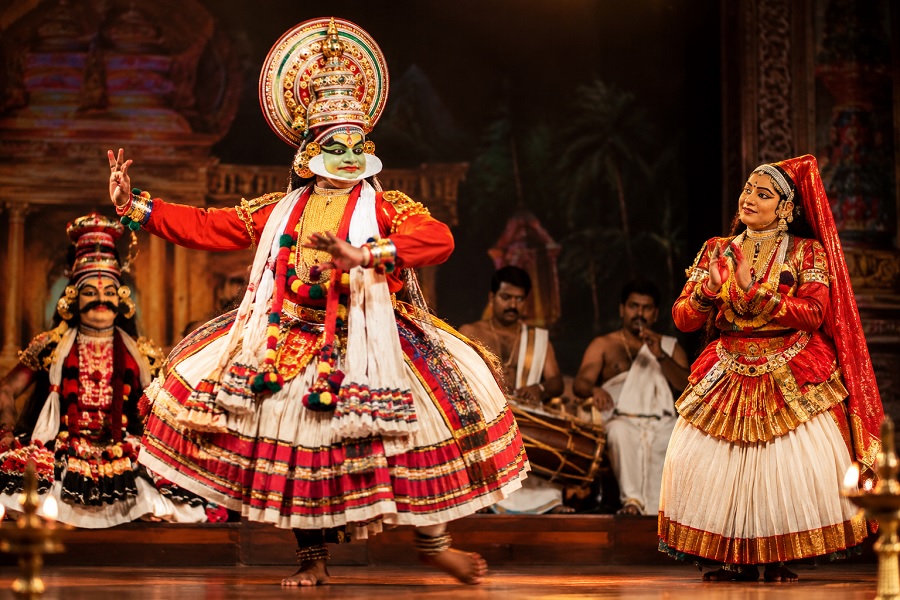
One of India's oldest classical dance forms, Bharatanatyam originates from Tamil Nadu. Known for its graceful movements, expressive storytelling, and elaborate costumes, it attracts cultural tourists eager to explore India's rich artistic heritage.
Kathak – India
Kathak is celebrated for its fast spins, rhythmic footwork, and storytelling traditions. Performances at cultural festivals and heritage venues draw visitors from around the world who wish to witness India's classical arts.
Hula – Hawaii, USA
Hula is more than a dance; it is a form of storytelling deeply rooted in Hawaiian culture. Tourists enjoy traditional hula performances that narrate tales of nature, history, and spirituality through graceful gestures and chants.
Tango – Argentina
Tango is synonymous with Argentina, particularly Buenos Aires. The dance's elegance, passion, and connection between partners make it a major attraction for travelers. Many tourists even take tango lessons during their stay.
Samba – Brazil
Brazil's vibrant samba culture comes alive during the famous Rio Carnival. Colorful costumes, energetic music, and spectacular performances make samba one of the world's most celebrated tourist attractions.
Balinese Dance – Indonesia
Balinese dance combines intricate movements, dramatic expressions, and traditional music. Visitors to Bali often attend cultural performances that showcase the island's mythology and spiritual traditions.
Irish Stepdance – Ireland
Known for its rapid leg movements and precise footwork, Irish stepdance gained international recognition through shows like Riverdance. Tourists visiting Ireland often attend traditional dance events and cultural festivals.
The Economic Impact of Dance Tourism
Dance performances contribute significantly to local economies by supporting artists, musicians, costume makers, event organizers, and tourism businesses. Cultural festivals centered around dance also encourage longer stays and increased visitor spending.
Preserving Cultural Heritage Through Tourism
As interest in cultural tourism grows, traditional dance forms gain greater visibility and appreciation. Tourism provides opportunities to preserve these art forms while educating visitors about their cultural significance.
Conclusion
Dance is a universal language that transcends borders and connects people through rhythm, emotion, and storytelling. Whether it's the fiery passion of Flamenco, the elegance of Tango, or the spiritual beauty of Bharatanatyam, these dance forms enrich travel experiences and inspire tourists to explore the cultural heart of destinations around the world.