Cultural Tourism Through Cultural Fashion Shows
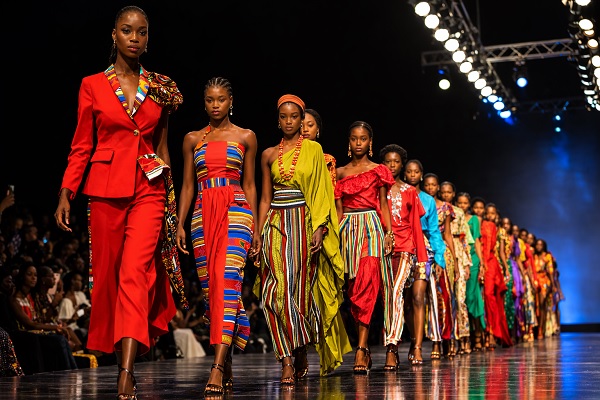
Cultural tourism is not only about visiting historic monuments, museums, or heritage sites. Today, travelers are increasingly looking for experiences that allow them to connect with the traditions and lifestyle of a destination. One unique and exciting way to explore culture is through cultural fashion shows. These events showcase traditional clothing, textiles, and craftsmanship that reflect the identity and heritage of a region.
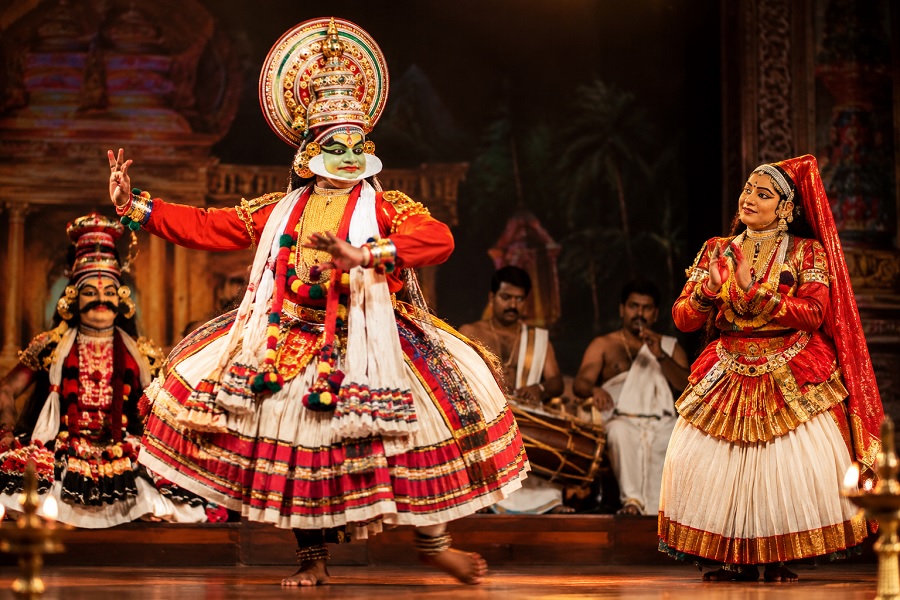
Cultural fashion shows provide visitors with a visual journey through the history and traditions of a community. Designers, artisans, and local models present garments inspired by traditional attire, handmade fabrics, embroidery, and indigenous styles. From colorful saris in India to elegant kimonos in Japan and vibrant African prints, fashion shows highlight the diversity of global cultures.
For travelers, attending a cultural fashion show is more than just watching a runway event. It becomes an opportunity to learn about the stories behind traditional garments. Many cultural outfits
Another important aspect of cultural fashion shows is the promotion of local artisans and traditional crafts. Many designers collaborate with skilled weavers, embroidery artists, and textile makers who preserve ancient techniques passed down through generations. By showcasing these creations on an international platform,
Cultural fashion events are often part of larger cultural festivals or tourism initiatives. Tourists attending these events also enjoy music, dance performances, and local cuisine, making the experience even more immersive. Cities known for fashion and culture frequently host such events to attract visitors
Moreover, cultural fashion shows encourage cultural exchange. Designers often blend traditional styles with modern fashion trends, creating unique collections that appeal to global audiences while respecting their cultural roots. This fusion helps t
In conclusion, cultural fashion shows are a powerful form of cultural tourism. They celebrate creativity, heritage, and craftsmanship while giving travelers a deeper understanding of a destination’s traditions. By attending these events, tourists not only enjoy beautiful designs but also support the preservation of cultural identity and art