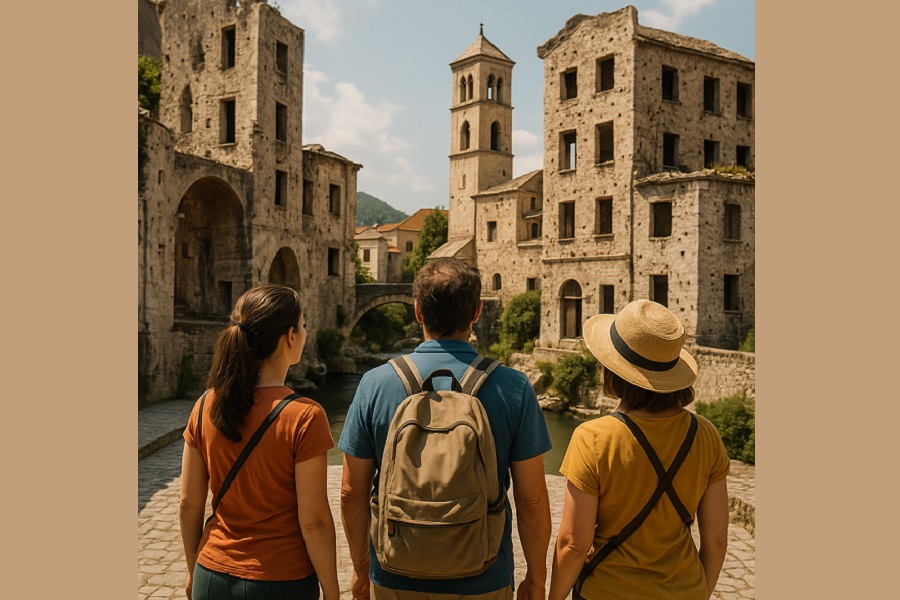
Cultural Tourism in UNESCO World Heritage Sites: Preserving the Past, Inspiring the Future
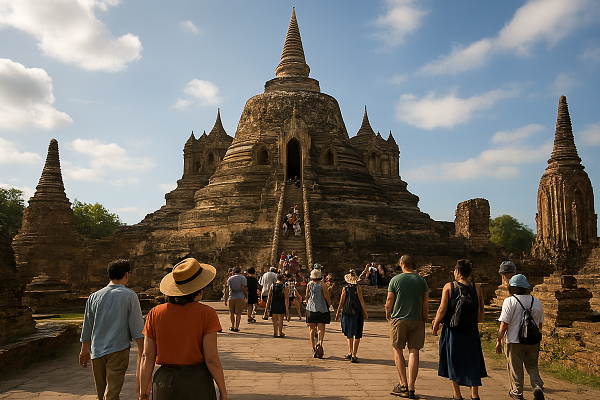
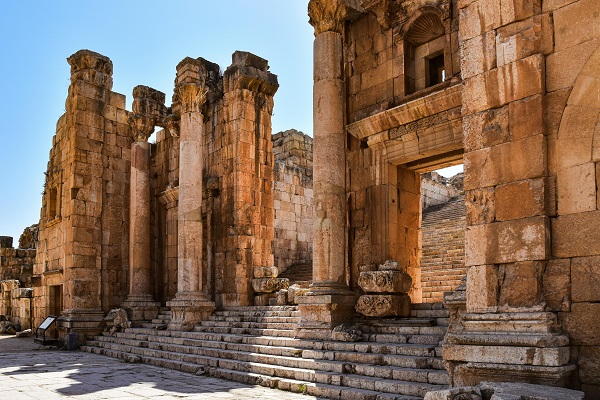
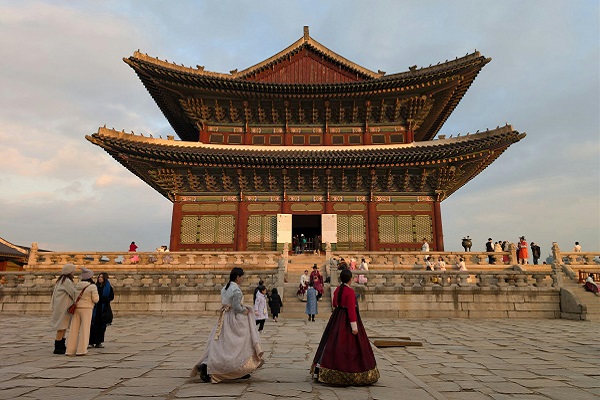
UNESCO World Heritage Sites stand as remarkable symbols of humanity’s shared cultural and natural heritage. These sites, recognized for their outstanding universal value, attract millions of travelers each year who seek to connect with history, architecture, and traditions that have shaped civilizations. Cultural tourism in UNESCO World Heritage Sites offers a unique opportunity to experience the world’s most treasured landmarks while promoting their preservation for future generations.
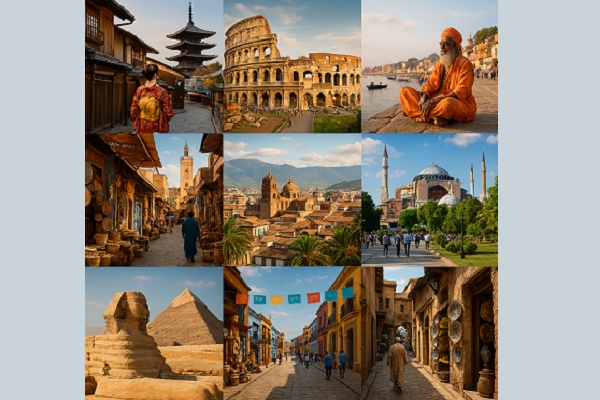
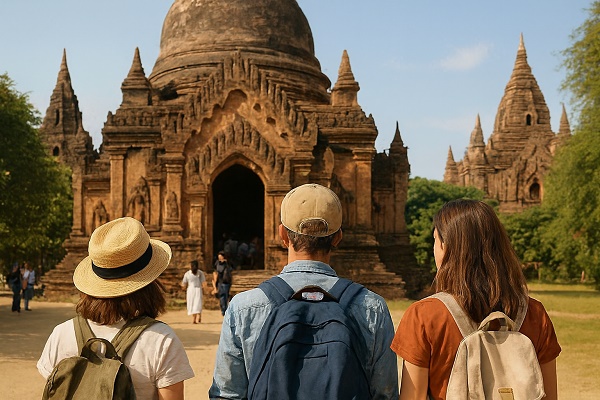
Cultural heritage sites range from ancient ruins and historic cities to sacred temples and monumental architecture. Visiting these sites allows travelers to immerse themselves in the stories and artistry of bygone eras. Whether wandering through the intricate carvings of India’s Khajuraho temples or exploring the ancient city of Rome’s Colosseum, cultural tourists gain a profound appreciation for the ingenuity and spirituality of past societies.
In India alone, there are more than 40 UNESCO World Heritage Sites, each narrating a distinct cultural saga. The Taj Mahal, a symbol of eternal love, mesmerizes visitors with its architectural grandeur, while the ruins of Hampi evoke the grandeur of a bygone empire. The Sun Temple at Konark, with its intricate stone carvings, and the rock-cut caves of Ajanta and Ellora showcase the artistic brilliance of ancient India.
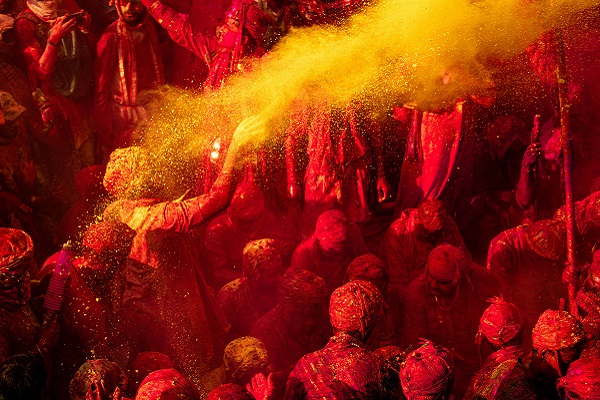
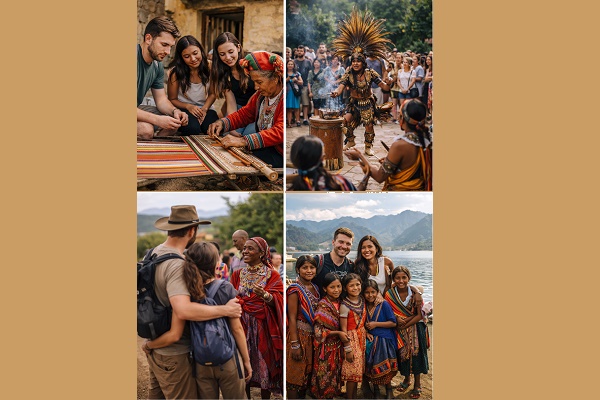
Beyond architecture, these sites often serve as living cultural hubs where festivals, traditional crafts, and local customs thrive. Responsible cultural tourism encourages visitors to respect and support the communities that maintain these treasures, fostering sustainable tourism practices.
Cultural tourism in UNESCO World Heritage Sites not only enriches the traveler’s experience but also plays a critical role in safeguarding heritage, promoting cultural exchange, and inspiring pride in shared human history. By exploring these magnificent sites, tourists become partners in the global effort to protect and celebrate our world’s diverse cultural legacy.