Cultural Tourism in South Korea: A Journey Through Tradition and Modernity
Cultural tourism in South Korea offers an extraordinary blend of ancient traditions and cutting-edge modernity. From centuries-old palaces and serene temples to vibrant festivals and contemporary art scenes, the country provides travelers with a rich cultural tapestry that is both immersive and inspiring.
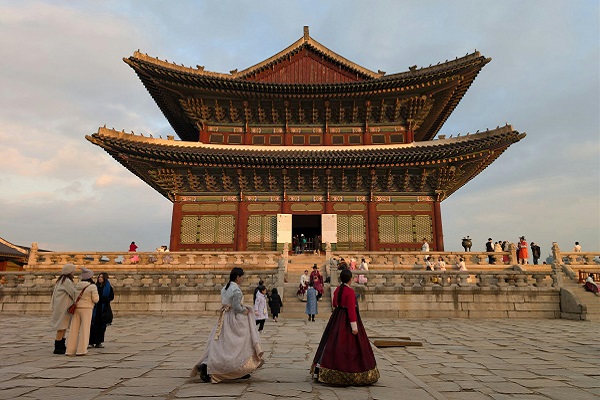
One of the most iconic cultural experiences in South Korea is visiting its historic palaces in Seoul. The majestic Gyeongbokgung Palace stands as a symbol of the Joseon Dynasty, offering visitors a glimpse into royal life through its grand architecture, traditional guard ceremonies, and beautifully landscaped grounds. Nearby, the traditional village of Bukchon Hanok Village allows tourists to walk through narrow alleys lined with hanok houses, preserving Korea’s architectural heritage.
Beyond the capital, cultural tourism extends to cities like Gyeongju, often referred to as “the museum without walls.” This ancient city is home to UNESCO World Heritage Sites such as Bulguksa Temple and the Seokguram Grotto, which showcase the spiritual and artistic achievements of early Korean civilization.
South Korea’s cultural richness is also deeply rooted in its traditions and festivals. Events like the Andong Mask Dance Festival celebrate folk performances, music, and dance that date back generations. Visitors can also participate in traditional tea ceremonies, hanbok-wearing experiences, and craft workshops that highlight Korean artistry and customs.
Cuisine plays a vital role in cultural tourism as well. Sampling authentic dishes such as Kimchi, Bibimbap, and Korean barbecue offers insight into the country’s culinary heritage. Food markets like Gwangjang Market provide an authentic atmosphere where travelers can taste local flavors while interacting with residents.
Modern culture is equally influential in attracting tourists. The global popularity of K-pop and Korean dramas has transformed South Korea into a cultural powerhouse. Fans often visit entertainment hubs, filming locations, and themed cafés to connect with their favorite stars and shows.
In addition, traditional wellness practices such as visiting jjimjilbangs (Korean spas) and participating in temple stays offer unique ways to experience Korean culture on a deeper level. These activities allow visitors to relax while understanding the country’s philosophies of balance and mindfulness.
Cultural tourism in South Korea is not just about sightseeing—it is about experiencing a living heritage that continues to evolve. Whether exploring ancient temples, enjoying vibrant festivals, or embracing modern pop culture, travelers are sure to leave with a profound appreciation for the country’s dynamic identity.