Cultural Tourism in Ancient Kingdoms: Exploring the Legacy of the Past
Cultural tourism offers travelers a chance to step back in time and experience the traditions, architecture, and stories of civilizations that shaped the world. One of the most fascinating aspects of cultural travel is visiting the remains of ancient kingdoms. These historic places reveal how people lived, ruled, worshipped, and built remarkable monuments centuries ago.
Ancient kingdoms around the world have left behind magnificent structures, artistic treasures, and cultural traditions that continue to attract millions of visitors every year. From grand palaces and temples to ancient cities carved into mountains, these destinations allow tourists to connect with history in a meaningful way.
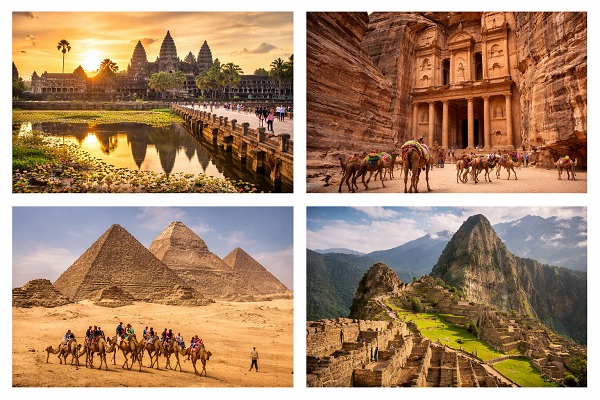
One of the most iconic examples is the ancient city of Angkor Wat, which was once part of the powerful Khmer Empire. The massive temple complex showcases stunning carvings, towering spires, and impressive architecture that reflects the spiritual and cultural life of the kingdom. Visitors can explore ancient corridors, admire intricate sculptures, and witness breathtaking sunrises over the temple.
Another remarkable destination is Petra, the famous rose-red city carved directly into sandstone cliffs. This ancient capital of the Nabataean Kingdom fascinates tourists with its monumental tombs, temples, and advanced water management systems. Walking through the narrow canyon known as the Siq before arriving at the majestic Treasury is an unforgettable cultural experience.
The ancient wonders of Egypt also play a significant role in cultural tourism. The legendary Great Pyramids of Giza stand as one of the most impressive achievements of the ancient Egyptian civilization. These pyramids, built as royal tombs, demonstrate extraordinary engineering skills and continue to inspire curiosity about the lives of pharaohs and their kingdoms.
In South America, the breathtaking ruins of Machu Picchu represent the remarkable achievements of the Inca Empire. Situated high in the Andes Mountains, this ancient city features stone terraces, temples, and residential structures that highlight the sophisticated urban planning of the Inca civilization.
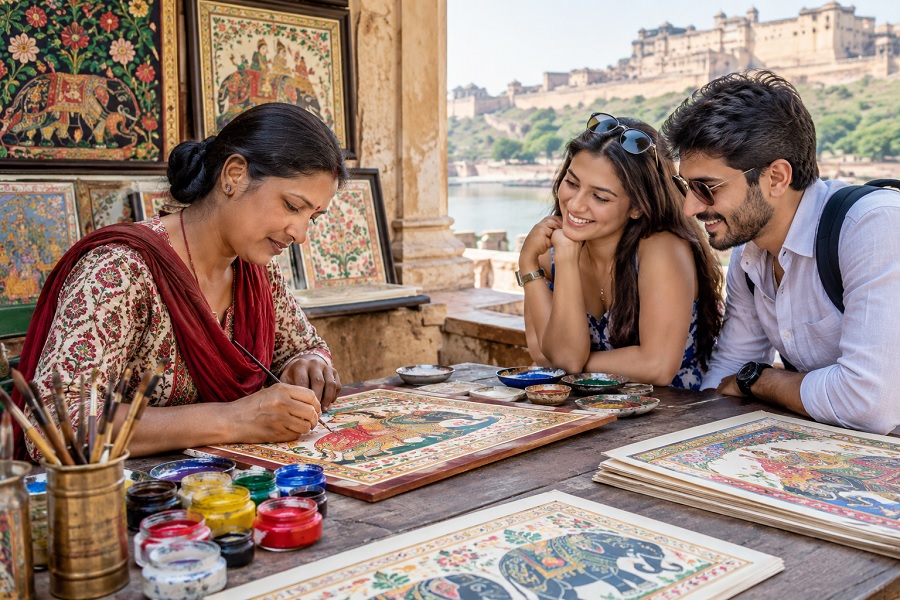
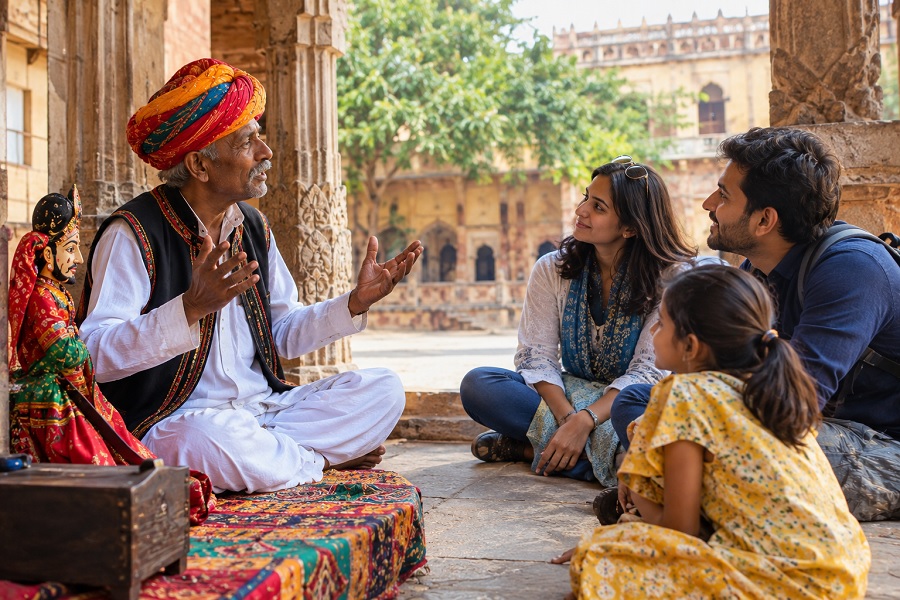
Cultural tourism in ancient kingdoms is not just about visiting monuments; it also involves experiencing local traditions, crafts, and folklore that have been preserved for generations. Many communities living near these historic sites continue to celebrate ancient customs, traditional festivals, and artisanal skills that reflect their heritage.
Moreover, cultural tourism helps preserve historical sites by generating funds for conservation and restoration projects. Responsible tourism encourages travelers to respect cultural heritage while supporting local economies.
As travelers explore ancient kingdoms, they gain a deeper appreciation for humanity’s shared history. These destinations remind us of the creativity, resilience, and wisdom of past civilizations. Cultural tourism in ancient kingdoms is therefore more than a journey—it is a meaningful connection to the roots of human culture and history.