Cultural Tourism: Exploring the Soul of a Destination
What Is Cultural Tourism?
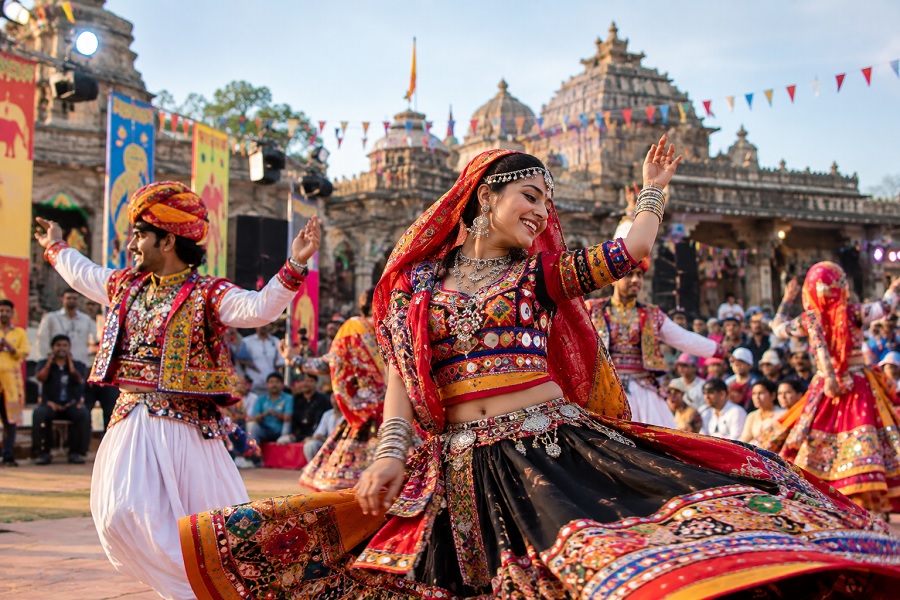
Cultural tourism focuses on experiencing the heritage, traditions, and lifestyle of a destination. This includes historical monuments, museums, festivals, local cuisine, crafts, music, dance, architecture, and indigenous practices. It invites travelers to observe, participate, and learn—turning travel into an educational and emotional experience.
Why Cultural Tourism Is Gaining Popularity
Modern travelers want stories, not just photographs. Cultural tourism offers:
Authentic experiences rooted in local life
Meaningful connections with communities
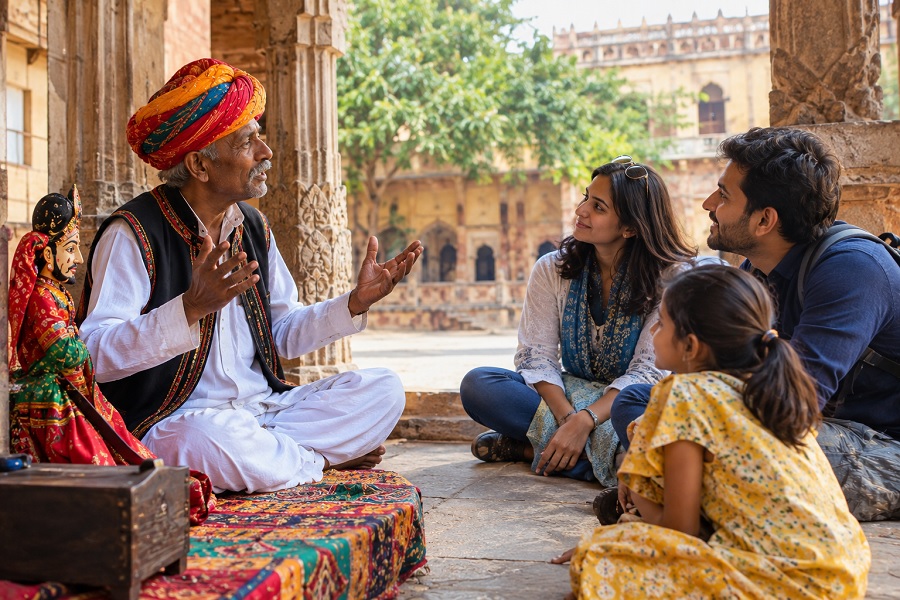
Learning opportunities through history and traditions
Responsible travel, supporting local artisans and economies
With increasing awareness of sustainability and cultural preservation, travelers are choosing experiences that respect and celebrate local identities.
Iconic Cultural Tourism Destinations
Some destinations are globally celebrated for their cultural richness:
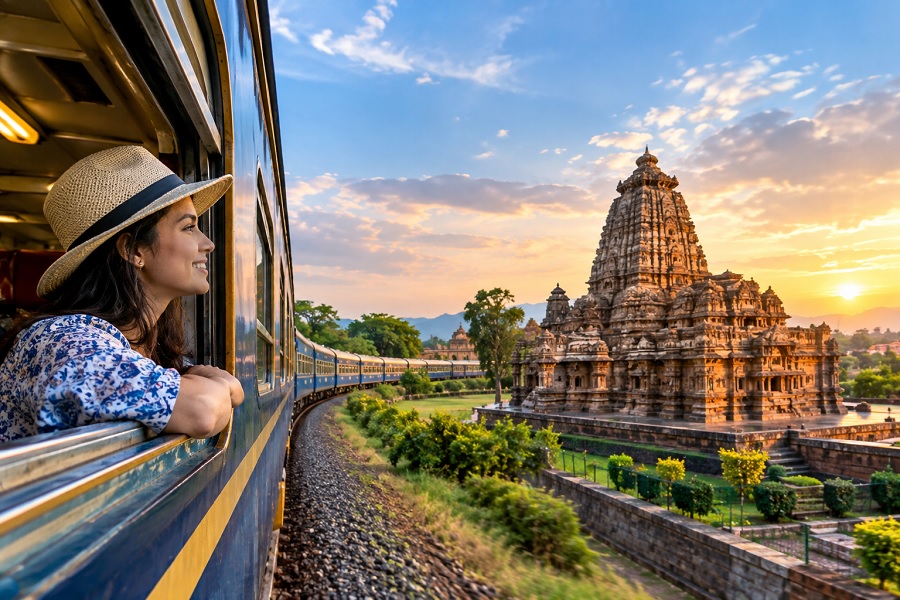
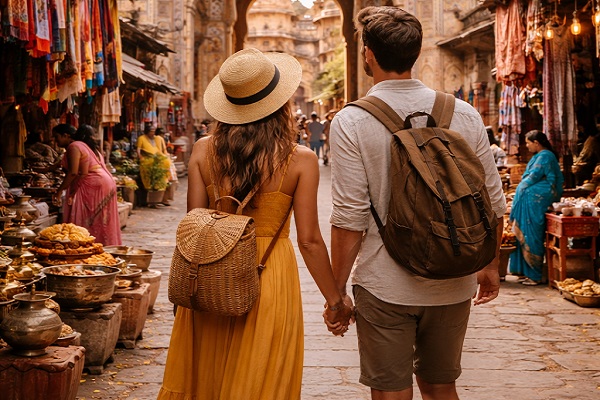
India: A tapestry of festivals, temples, heritage cities, classical arts, and centuries-old traditions
Italy: Renaissance art, Roman history, architecture, and culinary heritage
Japan: Ancient temples, tea ceremonies, craftsmanship, and harmonious traditions
Egypt: Timeless pyramids, archaeological wonders, and ancient civilizations
Peru: Incan heritage, traditional weaving, and historic sites like Machu Picchu
Each destination tells a story shaped by generations.
Experiences That Define Cultural Travel
Cultural tourism is immersive by nature. Popular experiences include:
Walking through heritage towns and old cities
Attending traditional festivals and rituals
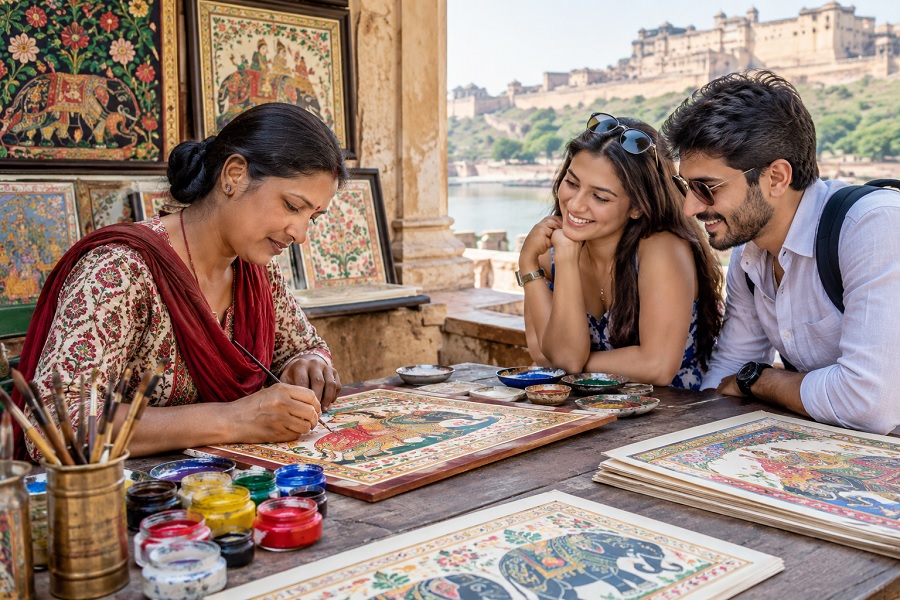
Learning local crafts or cooking regional dishes
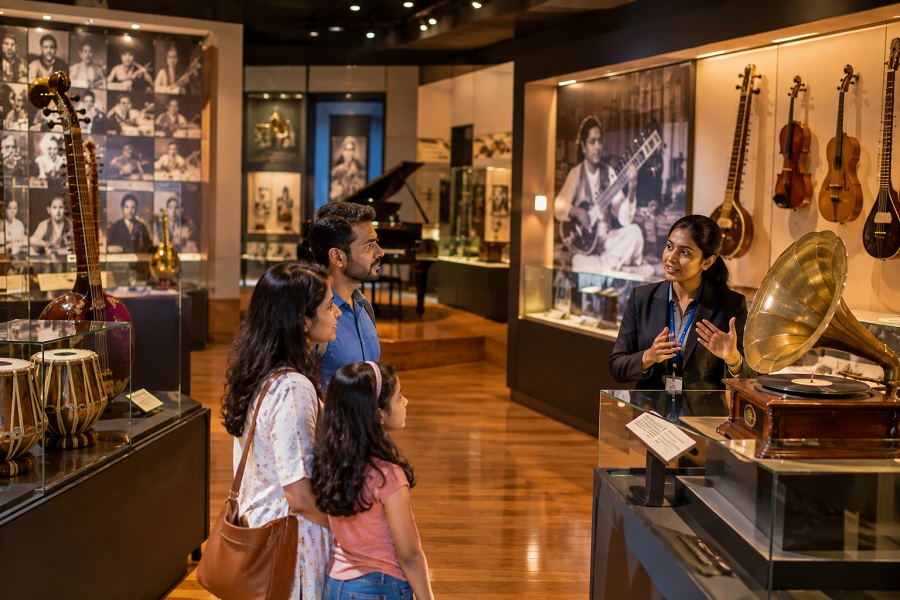
Visiting museums, galleries, and archaeological sites
Staying in homestays to experience everyday life
These experiences create memories rooted in understanding and respect.
Cultural Tourism and Sustainability
Cultural tourism plays a key role in preserving heritage. When managed responsibly, it helps protect historical sites, revive traditional art forms, and provide livelihoods to local communities. Travelers become contributors to cultural continuity rather than passive observers.
The Emotional Impact of Cultural Travel
Cultural tourism broadens perspectives. It fosters empathy, appreciation of diversity, and a deeper understanding of the world. By engaging with different cultures, travelers return home more aware, inspired, and connected to humanity as a whole.
Conclusion
Cultural tourism is a celebration of human heritage and shared history. It reminds us that every destination has a soul shaped by its people and past. In a world growing increasingly connected, cultural tourism builds bridges—uniting travelers and cultures through curiosity, respect, and storytelling.